#GenderAffirmingVoice #TransVoice #VocalCoach #LGBTQIA #TransVoiceCoach
Thank you to Kate Benjamin for these beautiful new designs!
I think they express the things I wanted them to. You might notice they are similar to my GLOW choir logos, but different.
What do these designs communicate to you?
#TransVoice #GenderAffirmingVoice #Creativity #Music #Art #Voice #VoiceCoaching #LGBTQIA #Speech #Song
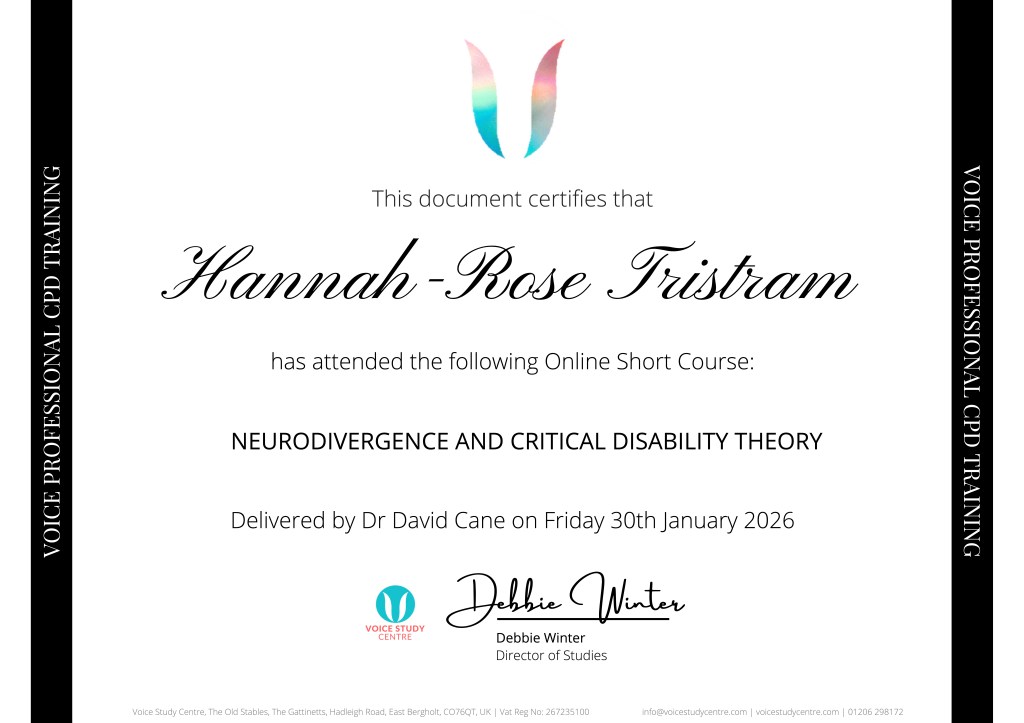
I really enjoyed this course on neurodivergence and critical disability theory. I learnt a lot and felt it really aligned with my values.
It included historical disability activism, legal perspectives, models of disability, critically comparing different theoretical and practical approaches to things, crip theory, neuroqueer, DisCrit, univeral design pros and cons, types of represenatation, examining binaries, person first vs identity first language, geographical and historical perspectives on the things we’re looking at, and a huge range of other really good content, well presented, with lots of nuance, and varied input from different resources and schools of thought – it was very, very good!
And applying and linking all this and the other content covered (which I can’t succintly and accurately summarise here right now!), to voice practice, pedagogy, teaching and understanding.
I’m so glad I went!  Thank you Voice Study Centre
A huge thank you to all GLOW singers and supporters, past and present, for everything you’ve contributed to the group life of GLOW choir Brighton. It would not be or have been GLOW without you. ❤️ 🧡 💛 💚 🩵 💜
🏳️🌈 🏳️⚧️ Thank you to everyone who came to and was part of our beautiful 10 year celebration and farewell party yesterday. It was beautiful, it was many wonderful things. It glowed!
🍁 Our decade of official GLOW choir activities has now come to a close. And it has been the most incredible decade of queer community joy, support, solidarity and song together. 🎆
📽️ In honour of our incredible decade of GLOW, you can find attached here a GLOW highlights video.
🍿 Tuck in and get comfy, it’s just shy of 20 minutes. It is definitely worth watching through, please get your popcorn/tissues and enjoy!
🏳️⚧️ As part of our 10 year celebration event and farewell party, we’re having a fundraiser for Black Trans Alliance.
https://app.collectionpot.com/pot/GLOWchoirBlackTransAlliance
The collection pot above closes Tuesday night (or 6 am Wednesday 10th December if you want to get technical).
💸 If you’re able to and willing, please donate to GLOW’s fundraiser for Black Trans Alliance at the link above by Tuesday night. GLOW will donate everything received, to Black Trans Alliance, on Wednesday, and post celebratory proof online. Find out more about Black Trans Alliance, at the link to their website in our Collection Pot.
❤️ 🧡 💛 💚 🩵 💜 Thank you again to all GLOW choir singers and supporters. It has been the most incredible experience and life’s great honour, to share this decade in community, song, and solidarity with you all. With great depth and silliness, joy and tenacity together, taking steps always towards the kind of world that’s kinder to GLOW folks.
Love and song,
Hannah-Rose (they/she)

GLOW choir Brighton is a Non-Audition, Natural Voice Community Choir for LGBTQIA+ people & Allies. GLOW Brighton is 10 years old in 2025! Bringing LGBTQIA+ people together in a cappella harmony, community & solidarity since January 2015!
GLOW is still going strong, creating meaningful, nourishing community music experiences for the queer community, despite the challenges of the pandemic years, increasing hostility towards LGBTQIA+ people & being a disabled-led choir. GLOW aims to keep bringing LGBTQIA+ people together in experiences that bring uplift, joy, relief, strength and release, and create life-affirming community bonds.
Warmth, integrity & queer community spirit can be found at GLOW, & a relaxed atmosphere of learning, growing & GLOWing together. GLOW Brighton has strong emphasis on inclusive practice, welcoming & celebrating all under the LGBTQIA+ umbrella; with particular attention to positive experiences for queer voices that are sidelined in some spaces, such as trans, non-binary, bisexual, pansexual, neurodivergent, disabled & other minoritised voices. GLOW has an active Anti Racism & Cultural Honouring commitment (thanks to ARCH work from the Natural Voice Network ARCH team) which influences ongoing practice & remunerations.
GLOW is about community, queer joy, a friendly welcoming space where you can be more of yourself, helping people feel empowered and connected through song, and making space for LGBTQIA+ people to gather and connect in solidarity and through music. All voices are welcome at GLOW Choir: no auditions, just an encouraging space to learn & have fun doing so. People & their voices are greeted with a warm welcome, & celebratory, encouraging, patient teaching & facilitation that helps everyone feel welcome to sing with GLOW.
GLOW sings a wide range of a cappella songs from across time & space, many moods & genres. Songs to speak to the times, to soothe & uplift the heart, to bring change, to delight the mind, or to rest into like a sonic hug.

GLOW Brighton is led by widely experienced & trained song leader & trans voice alteration coach, Hannah-Rose Tristram, who has been working with voice, choirs & embodied arts, most of their life, including some life changing experiences with Northern/Village Harmony, & is passionate about creating space for LGBTQIA+ people to enjoy the benefits of singing together in a nourishing & welcoming environment.
Hannah-Rose was inspired to start GLOW choir Brighton, in great part by their experiences with GLOW Unicorn at Unicorn Voice Camps. Thank you GLOW elders, leaders & folks who inspire, & who gave permission to use the GLOW acronym. Particularly thinking of the wonderful Jules Gibb & the late great Michael Harper.
GLOW Brighton was co-founded in 2015 by Hannah-Rose and the brilliant Kirsty Martin (who also introduced Hannah-Rose to the Natural Voice Network about 20 years ago, thank you Kirsty!). GLOW started in a maths classroom at BHASVIC College, & soon graduated to more acoustically delightful & varied spaces. Hannah-Rose has led & run GLOW themself for most of the past decade, through all kinds of ‘weathers’, bringing queer voices together at St Luke’s Church, local parks, zoom, queer venues & events, & this year a great highlight, performing at Trans Pride Brighton.
GLOW choir community has had the honour of singing at the weddings of couples who met at GLOW over the past decade: a great joy; & has moved through times of great sadness or grief together too.
Long may queer community spirit lift us up to keep taking care of each other and fighting for our rights, with compassion and strength, and keep moving forward in song and solidarity in these times that, for our community, present great challenges.
In the words of Marsha P Johnson, “You never completely have your rights, one person, until you have all your rights… No pride for some of us without liberation for all of us.”
And in the words of Stormé DeLarverie at the Stonewall uprising/rebellion, “WHY DON’T YOU DO SOMETHING?!” Words that echo in these troubled times.
And as Harvey Milk said: “Hope will never be silent.”
To hear some of these words in song form, listen to ‘Revolution’ in the links below.
Youtube Videos of our performances at Trans Pride Brighton 2025:
Revolution by Hannah-Rose Tristram:
Lyrics to Revolution for anyone who wants to see them & who they are quoting:

One Foot By Melanie DeMore:
Standing Stone by Melanie DeMore:
Hold You In Our Circle by Emily Roblyn:
Standing Stone (Melanie DeMore) Rehearsal at Brighton Dome:
Find out more about GLOW Choir Brighton here:
Website: https://getbrightonsinging.com/glow-choir/
Facebook: https://www.facebook.com/GLOWchoirBrighton/
Instagram: https://www.instagram.com/glow.choir/
Bluesky: https://bsky.app/profile/glowchoir.bsky.social

Well, there’s a lot of hate around at the moment. I’ve experienced it both online and in the streets that should be safe, & I’m hearing about & seeing accounts of a lot of it. Too much of it (any is too much but it feels like there’s a global upswell of it, both close to home and afar). People in most places seem emboldened in a bad way by the actions / inactions of politicans, by far right ‘cult leaders’ like Andrew Tit and Just Kidding Growling, by Doodled Grump & cronies, by the actions of hapless, greedy, small-minded “leaders” who have influence (but shouldn’t) on the lives of many. People seem emboldened to spew violent words at minoritised people, be physically aggressive (or worse), to jump ship on inclusive practice, to attempt to re-write history to erase black, trans, non-binary, bisexual and other equally important lives who should not & will not be erased, to stand by permissively & endorse hate as it occurs, to refuse to help, to treat humans as expendable & without value, to consider genocide acceptable or even support it, to question whether equal human rights are even a worthwhile thing to pursue. It is appalling.
Some people seem to be pursuing hate like it will be the ‘holy grail’ that keeps them powerful / immortal / young / in-charge. It is grotesque. It is frankly, pretty evil. I don’t believe in evil in binary fashion but we’re definitely revisiting a dark side of humanity & not in any kind of movie-chic way. Just grim, malevolent, dangerous, & making ripples & tsunamis of real-world-impacting Bad happen. Of course – there are also people out there making incredible ripples of good, and this must be remembered, celebrated, encouraged, and kept going through mutual support and inspiration! But what’s happening needs acknowledging.
That was heavy. Here’s a clip of Once More With Feeling from Buffy the Vampire Slayer, singing ‘what can’t we face if we’re together’, for a little uplift:
More ranting: And then there is the in-fighting: again both in person and online, but I think worse online (depending where you look). A gross occurence of the modern age where our ability to engage online, often with strangers, is multifold, instantanous, divorced from reality, & someone’s humanity may seem a far-away fiction/hard to imagine / empathise with, & typed words & ‘meta-mojis’ are mostly what is seen: not the person typing them. Plus the ability to write back & forth pretty instantly, without the presencing quality of, well, presence.
People who essentially want the same things, can become downright Cruel to each other, because of not going about them in exactly the same way, not using the same words to describe them, not fulfilling a checklist of one individual’s idea of the ‘perfect way’ to make progress amidst a situation where frankly, it’s a huge mess, and we all need to chip in, give each other hope, and do our bit. I think people are pretty activated, often isolated, which is a shame, because encouraging & kind words can still be pretty powerful, even if you don’t know the person writing them, & I think we could be doing better by each other. Some people are, sometimes. It doesn’t take much to write kind or thoughtful words, especially to people who share important values with you. Come on humans – stop being disappointing and start treating each other more like humans! That said, I’m not saying you should be ‘calm & sweet’ (ugh) if somebody is being abusive or hateful at you: anger & protecting yourself (& your community) can be an important part of a response & staying safe/sane. Excuse the rant & vagueries. These are hard times. I don’t want to regret this post by being specific but I do want to say something.
Here’s another Buffy clip because, songs are medicine & I love Buffy, especially the musical episode. Obviously, spoilers! This is ‘Walk Through The Fire’.
Part of my experience around making this post is that yesterday, meta banned me (personal & business pages – self employed people will know how impactful this is) from facebook & instagram. I imagine this is because of my main activities lately: sharing trans rights petitions in lots of groups, advertising my LGBTQIA+ choir, sharing some videos containing political satire or LGBTQIA+ history. I don’t do much else online lately so pretty likely to be one of those! What an era. In many ways I’m relieved to be dissociated from meta, but there’s huge impact on my businesses, how I run them, my ability to reach out to my communities, sources of sharing information & mutual support & conducting activism as a disabled person. Sigh. Maybe time to find new ways, we’ll see. A related PSA – this means if you’re trying to contact me on social media, it won’t get through right now. I might get back on, I might not: please contact me by email to be sure of getting through, thank you. hannahrose@getbrightonsinging.com

I do think that, for every thoughtless, aggressive person acting like a bigot, there are way more kind, community oriented people doing their best. It just may not always be easy to feel or remember this as acts of aggression (in person or online) can make such a loud impression. I’m here to remind you there are lots of people out there rooting for equality, safety, & a much better situation than these that we collectively find ourselves in.
Because I can’t share them on socials any more, here’s a couple of hopefully hopeful / expressive things.
Not On My Watch, a song I wrote a couple of weeks ago, to cope with what I’ve been seeing, experiencing, observing in the world. Much of it was recorded straight into a laptop without a mic so it’s quite rough, though I’ve done my best to ‘master’ it and tidy it up. I hope it moves / inspires / does something for you. It starts dark and ends hopeful.
A petition in support of trans & non-binary people’s rights in the UK. For any ‘petition sceptics’, no I don’t think one petition will fix ‘it all’, but I do think that consistent acts of dissent show governments how citizens are responding, and while we still have a democracy/votes, this will impact their decisions: whether because of genuine human care about impact, or the grimmer realities of their ‘how do we win votes’ mindsets; as well as influencing public opinion, showing solidarity to each other, inspiring each other with hope & to act etc.
I think all steps towards progess make an impact, and with this petition we can send a strong message that can be a part of that. The “gender critical” transphobic movement & current political climate is doing & has done unacceptable harm to trans & non-binary people, as well as to the LGBTQIA+ community, cisgender women, disabled people, & other communities, & is part of a wider picture that is, frankly, fascism, and harming many intersecting identities. I think we all have a duty to do what small or big things that we can. This petition is one of the things I can do. We need at least 10,000 signatures by the end of August to send the government a message that we see that what they are doing is wrong, we are as vocal as the transphobic, anti-human-rights GC groups, and our community will stick together and not back down. Hope is never silent.
https://petition.parliament.uk/petitions/712741
Please sign and share.
Thanks for listening to my rant! I hope that you’re having a positive week, and that the people around you this week, in person and online, are kind to you and respectful. I also acknowledge that the words I write and the way I write them, is not perfect & will never be perfect for everyone. However I think we can probably assume that if we want the same things (equal rights, safety, dignity for all, & other words to describe these & related important sentiments), we can let semantics go for the most part (language matters yes, but using that fact to drive wedges between people who want the same things, does not help our cause!) and support each other in working towards a common goal, in each of our unique ways.
Kind wishes, Hannah-Rose (they/she)
GLOW is a choir where neuroqueer voices are amplified and celebrated.
Below you will find some resources & reflections for neurodiversity celebration week, and an idea of what you can expect at a GLOW session.
At GLOW choir we celebrate neurodivergent individuals and we do our best to be neuro-inclusive. We are reported to be an affirming and inclusive space by our neurodivergent singers.
Our choir-leader is neurodivergent, and we have a neurodivergent person on the behind-the-scenes GLOW Choir team too. We love the different skills and strengths that our team bring to the table. Our inclusion practices are informed by lived experience, training, and feedback and suggestions from our singers. We’re always open to learning more. Got suggestions? Awesome! Contact us on glow@getbrightonsinging.com
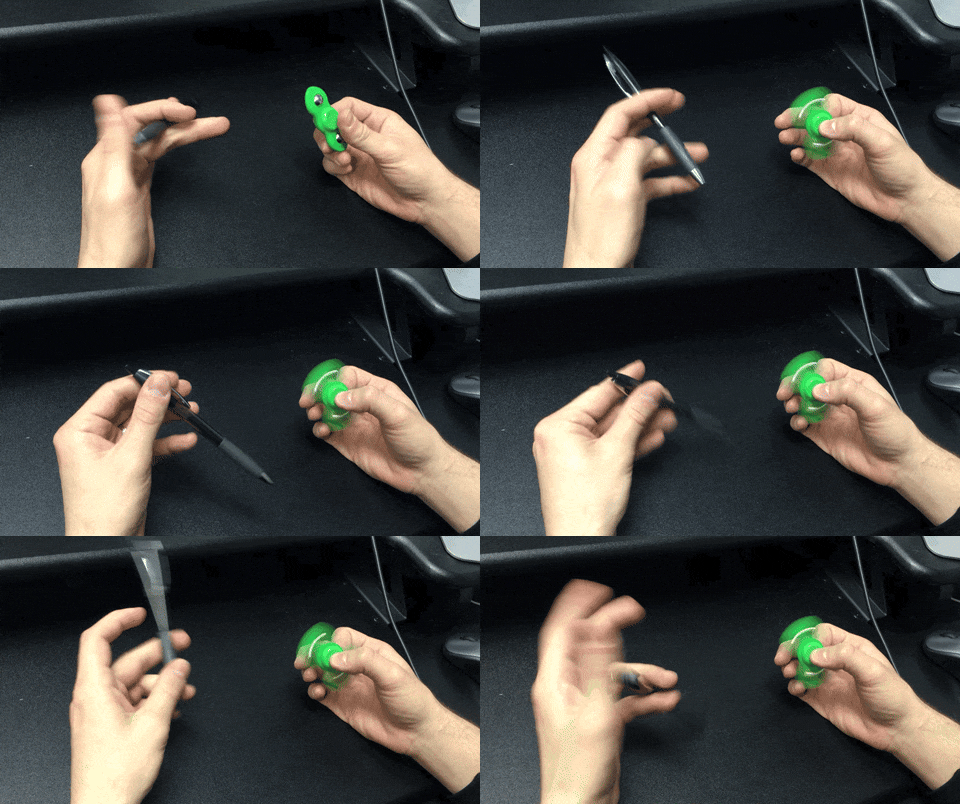
For neurodiversity celebration week 2025, GLOW choir provided an array of sensory items that GLOW choir singers can use during the session, with encouragement to do so and in an affirmative environment. Reception of this at our session in neurodiversity celebration week was resoundingly positive, with singers reporting that it enhanced their experience in a variety of ways. We will keep bringing these items back to GLOW choir sessions – because it’s not just about the celebration week, it’s all year round – so you can expect to find these at future sessions too.

Or use this link to get there: https://bit.ly/4iEhopM
We’re starting to integrate wordsheets on cream-coloured paper in with the previously standard white ones, as the cream-coloured paper wordsheets are better for some eyes, including some dyslexic people. We hope this will make for a more widely accessible and comfortable experience at GLOW.
Here are six inspiring individuals who are neurodivergent and part of the LGBTQIA+ community, each making unique contributions to their respective fields. This information has been put together by GLOW choir. See something that should be different? Let us know
Khadija Gbla
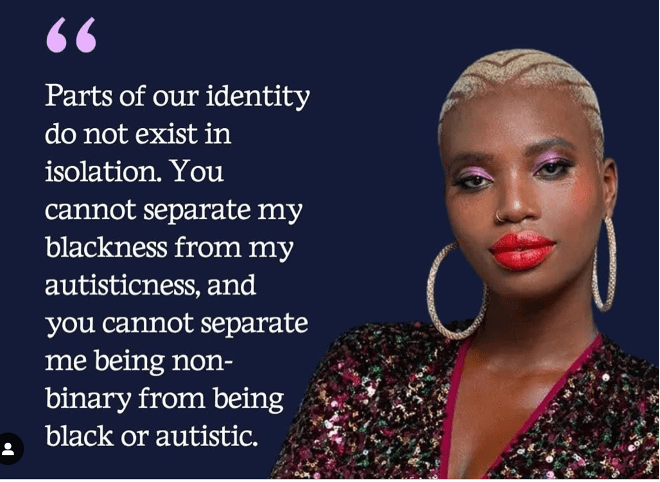
Khadija Gbla is an autistic, disabled, Afro-Indigenous, and non-binary writer, keynote speaker, and consultant. They advocate for trauma-informed, neuro-affirming, and culturally safe care, working to create inclusive spaces for marginalised communities. They are an anti FGM campaigner and human rights activist whose work has been widely honoured. [Photo Credit: Khadija Gbla Instagram]
Nicole Maines

Nicole Maines is an American actress and transgender rights activist who has ADHD. She became known for her legal battle advocating for trans rights in schools, eventually becoming the first transgender superhero on TV in Supergirl as Nia Nal. Maines has also appeared in various TV shows, films, and video games, using her platform to champion both trans rights and neurodiversity. [Photo – Nicole’s Wikipedia page]
Lydia X.Z. Brown
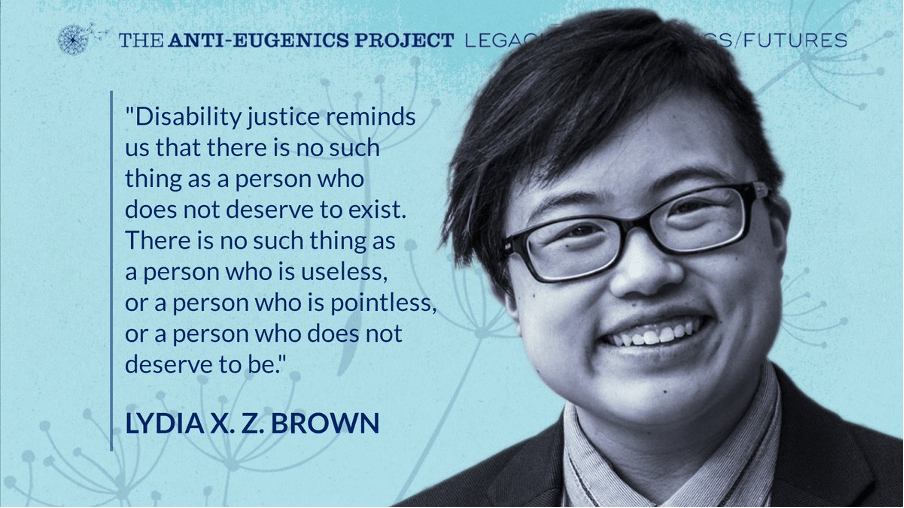
Lydia X.Z. Brown is a nonbinary, autistic, and queer disability justice advocate, writer, and attorney. They focus on addressing violence against disabled people, particularly those at the intersections of race, gender, and sexuality. Brown works toward creating a more inclusive society through their activism and legal work. They founded and lead the Autistic People of Colour Fund, and co-edited the first edition of the anthology, All the Weight of Our Dreams: On Living Racialised Autism.
Sandi Toksvig
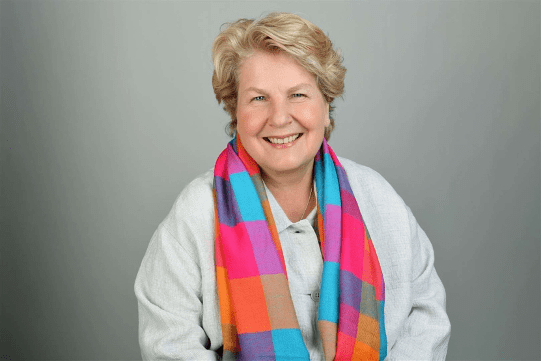
Sandi Toksvig is a British-Danish comedian, writer, and broadcaster known for her sharp wit and intellectual humour. She has openly discussed her experiences with dyslexia, which has influenced her unique approach to thinking and storytelling. Toksvig is a vocal champion for LGBTQ+ rights and is widely recognised for her work as a host on QI and The Great British Bake Off. Her warmth and humour have made her a beloved figure in British media.
Elliot Page

Elliot Page is a Canadian actor and advocate best known for his roles in Juno, Inception, and The Umbrella Academy. He came out as transgender in 2020 and has since been a vocal advocate for trans rights, mental health, and LGBTQIA+ representation in media. Page has also spoken about his ADHD, emphasising the importance of neurodiversity awareness alongside gender identity issues.
Jonathan Van Ness (JVN)

Jonathan Van Ness, best known as hair & grooming expert on Queer Eye, is a non-binary, openly queer television personality, hairstylist, and author. They have spoken candidly about their experiences with ADHD, mental health, and HIV advocacy. Through their work, JVN promotes self-love, acceptance, and breaking down stigmas surrounding both LGBTQ+ and neurodivergent identities.
These are just a handful of individuals who showcase some of the diversity, resilience, and strength within both the neurodivergent and LGBTQIA+ communities!
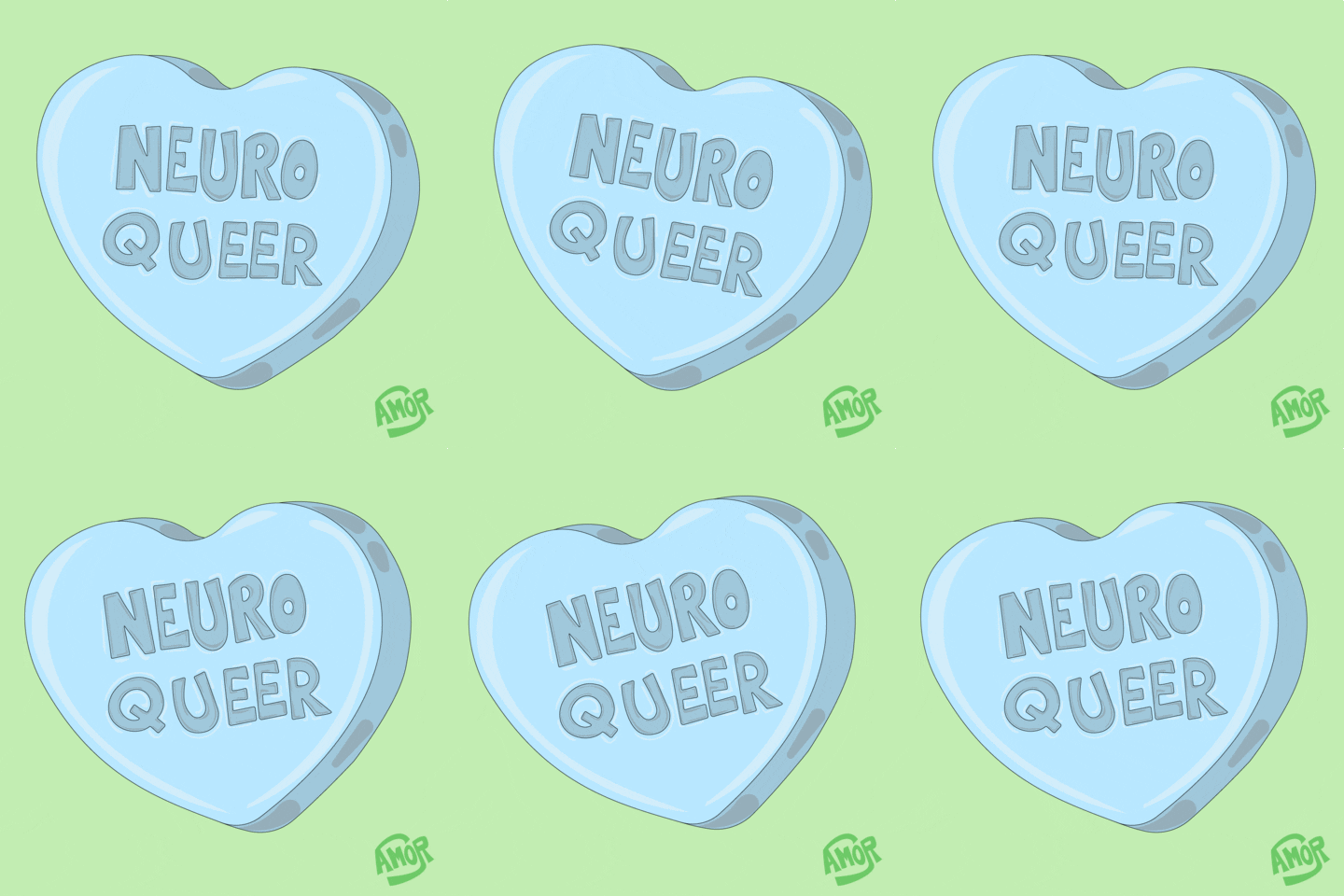
Head to the link above for fiction and non-fiction books by autistic authors, as part of the Autism Books by Austistic Authors project.
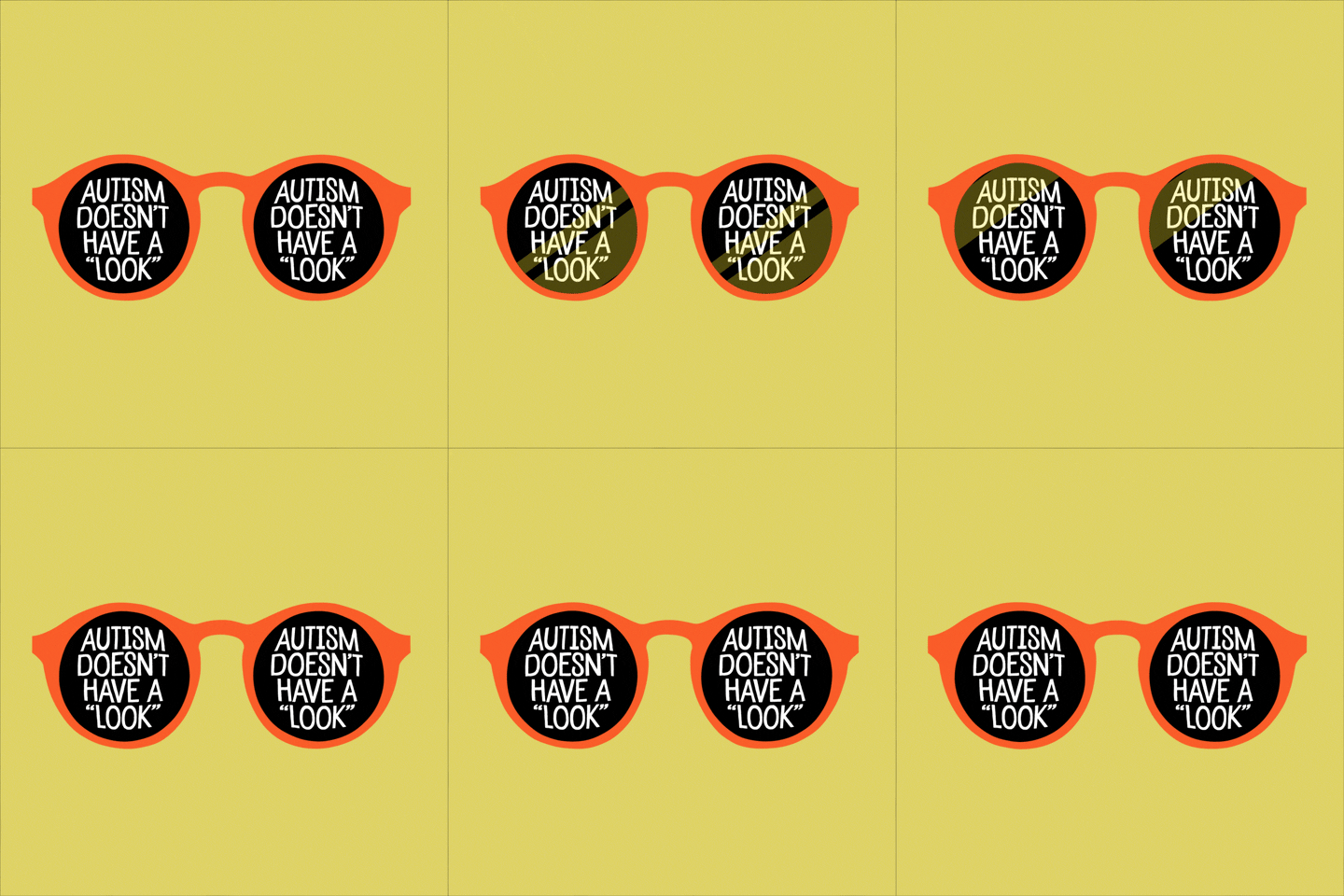
We look forward to continuing to celebrate, learn alongside, include and affirm neurodivergent individuals at GLOW, and to creating spaces where neuroqueer people can thrive, as best we can.
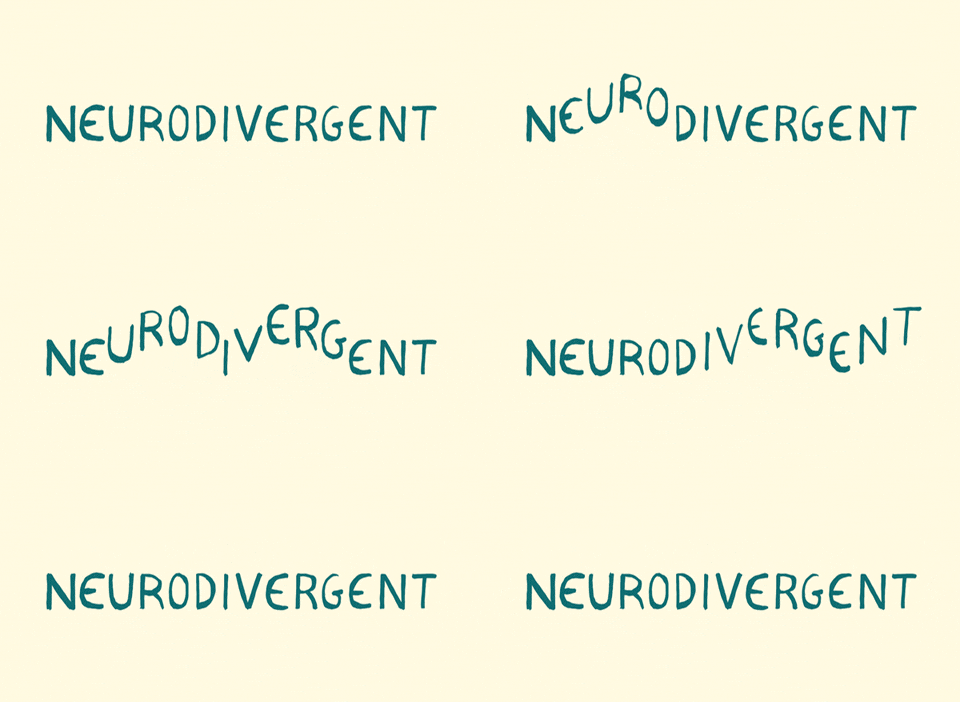
See something that should be done differently?
Please let us know on glow@getbrightonsinging.com – thank you!
“𝐐𝐮𝐞𝐞𝐫 𝐣𝐨𝐲, 𝐜𝐨𝐦𝐦𝐮𝐧𝐢𝐭𝐲, 𝐥𝐢𝐟𝐞-𝐚𝐟𝐟𝐢𝐫𝐦𝐢𝐧𝐠 𝐦𝐮𝐬𝐢𝐜, 𝐢𝐧𝐜𝐥𝐮𝐬𝐢𝐯𝐞 𝐚𝐭𝐦𝐨𝐬𝐩𝐡𝐞𝐫𝐞, 𝐟𝐫𝐢𝐞𝐧𝐝𝐬𝐡𝐢𝐩”
GLOW choir Brighton is back this February – starting Sat 8th!
All voices welcome! Come and get a dose of uplifting vocal harmony and queer community spirit. ❤
This term we are singing Saturdays at St Luke’s, and Wednesdays at The Queery Brighton, plus performing at Trans Pride Brighton 2025 and other excitements!
“𝐀𝐧 𝐞𝐱𝐭𝐫𝐚𝐨𝐫𝐝𝐢𝐧𝐚𝐫𝐢𝐥𝐲 𝐢𝐧𝐜𝐥𝐮𝐬𝐢𝐯𝐞, 𝐚𝐟𝐟𝐢𝐫𝐦𝐢𝐧𝐠 𝐚𝐧𝐝 𝐰𝐞𝐥𝐜𝐨𝐦𝐢𝐧𝐠 𝐬𝐢𝐧𝐠𝐢𝐧𝐠 𝐠𝐫𝐨𝐮𝐩 𝐰𝐡𝐞𝐫𝐞 𝐚𝐥𝐥 𝐯𝐨𝐢𝐜𝐞𝐬 𝐚𝐫𝐞 𝐠𝐞𝐧𝐮𝐢𝐧𝐞𝐥𝐲 𝐰𝐞𝐥𝐜𝐨𝐦𝐞 𝐚𝐧𝐝 𝐋𝐆𝐁𝐓𝐐𝐈𝐀+ 𝐟𝐨𝐥𝐤𝐬 𝐜𝐚𝐧 𝐛𝐞 𝐜𝐨𝐦𝐩𝐥𝐞𝐭𝐞𝐥𝐲 𝐭𝐡𝐞𝐦𝐬𝐞𝐥𝐯𝐞𝐬.”
Songs this term will include Revolution!
Standing in the way of control!
And a wide variety of other songs (GLOW favourites and new offerings) in many moods and genres to soothe the spirit, warm the heart, energise and rejuvenate, connect and express, calm and sweeten, encourage and uplift! And do many good things music can do!
“𝐆𝐋𝐎𝐖 𝐢𝐬 𝐰𝐨𝐧𝐝𝐞𝐫𝐟𝐮𝐥 𝐛𝐥𝐞𝐧𝐝 𝐨𝐟 𝐢𝐧𝐧𝐨𝐯𝐚𝐭𝐢𝐨𝐧 𝐚𝐧𝐝 𝐭𝐫𝐚𝐝𝐢𝐭𝐢𝐨𝐧, 𝐐𝐮𝐞𝐞𝐫 𝐯𝐚𝐥𝐮𝐞𝐬 𝐚𝐧𝐝 𝐦𝐮𝐬𝐢𝐜𝐚𝐥 𝐯𝐢𝐛𝐞𝐬.”
Memberships and booking:
GLOW Choir now runs on a monthly membership basis, with a variety of options to suit different budgets, schedules and passion for singing!
We still offer a drop in option for those who need this, but encourage regular and semi-regular GLOW members to join a membership if possible. Find 2025 prices and membership options, below. 𝐂𝐥𝐢𝐜𝐤 𝐛𝐞𝐥𝐨𝐰 𝐭𝐨 𝐛𝐨𝐨𝐤 𝐚𝐧𝐝 𝐟𝐢𝐧𝐝 𝐨𝐮𝐭 𝐦𝐨𝐫𝐞:
New members are very welcome!
𝐓𝐡𝐢𝐧𝐤𝐢𝐧𝐠 𝐨𝐟 𝐣𝐨𝐢𝐧𝐢𝐧𝐠 𝐮𝐬 𝐟𝐨𝐫 𝐭𝐡𝐞 𝐟𝐢𝐫𝐬𝐭 𝐭𝐢𝐦𝐞? We would love to sing with you! Book a drop in place for the date you’d like to attend, using the drop in links at the bottom of the membership page above.
February dates – see the graphic attached!

For all the dates and venues this term including singing at trans pride, follow this link:
𝐖𝐡𝐨 𝐢𝐬 𝐆𝐋𝐎𝐖 𝐟𝐨𝐫? GLOW choir is for LGBTQIA+ people and allies, and all voices are welcome!
𝐖𝐡𝐚𝐭 𝐝𝐨 𝐰𝐞 𝐬𝐢𝐧𝐠? 𝐄𝐱𝐜𝐢𝐭𝐢𝐧𝐠, 𝐯𝐚𝐫𝐢𝐞𝐝, 𝐮𝐩𝐥𝐢𝐟𝐭𝐢𝐧𝐠 𝐚 𝐜𝐚𝐩𝐩𝐞𝐥𝐥𝐚 music, to soothe the spirit, raise the roof, make positive ripples and heal the heart! From around the world and across time and genre.
𝐀𝐮𝐝𝐢𝐭𝐢𝐨𝐧𝐬? 𝐍𝐨𝐩𝐞! All voices are welcome and it’s all taught by-ear so you don’t have to be able to read scores.
𝐖𝐡𝐚𝐭 𝐢𝐬 𝐆𝐋𝐎𝐖 𝐚𝐛𝐨𝐮𝐭? 𝐐𝐮𝐞𝐞𝐫 𝐣𝐨𝐲! Bringing people together in solidarity to enjoy the benefits of singing together. Strength in community. LGBTQIA+ voices. Exciting, empowering, uplifting fun! Silliness, depth, accessibility, inclusion, learning, a space to let go for a bit.
What are people saying about GLOW? (see quotes throughout this post from anonymous survey of choir members):
“𝐈𝐭 𝐢𝐬 𝐚𝐧 𝐞𝐚𝐬𝐲 𝐚𝐧𝐝 𝐚𝐜𝐜𝐞𝐬𝐬𝐢𝐛𝐥𝐞 𝐰𝐚𝐲 𝐭𝐨 𝐫𝐞𝐥𝐢𝐚𝐛𝐥𝐲 𝐜𝐨𝐧𝐧𝐞𝐜𝐭 𝐰𝐢𝐭𝐡 𝐜𝐨𝐦𝐦𝐮𝐧𝐢𝐭𝐲 𝐚𝐧𝐝 𝐛𝐮𝐢𝐥𝐝 𝐜𝐨𝐧𝐟𝐢𝐝𝐞𝐧𝐜𝐞 𝐢𝐧 𝐲𝐨𝐮𝐫 𝐨𝐰𝐧 𝐯𝐨𝐢𝐜𝐞 𝐛𝐨𝐭𝐡 𝐥𝐢𝐭𝐞𝐫𝐚𝐥𝐥𝐲 𝐚𝐧𝐝 𝐦𝐞𝐭𝐚𝐩𝐡𝐨𝐫𝐢𝐜𝐚𝐥𝐥𝐲”
“𝐈𝐧 𝐜𝐨𝐧𝐭𝐫𝐚𝐬𝐭 𝐭𝐨 𝐨𝐭𝐡𝐞𝐫 𝐋𝐆𝐁𝐓𝐐𝐈𝐀+ 𝐜𝐡𝐨𝐢𝐫𝐬 𝐢𝐧 𝐭𝐡𝐞 𝐜𝐢𝐭𝐲, 𝐆𝐥𝐨𝐰 𝐢𝐬 less pressured as there are no auditions or expectations of musical ability. Glow is also unique in its emphasis on inclusivity and accessibility for neurodivergent and disabled folks, and its explicit support for trans rights.”
“𝐆𝐥𝐨𝐰 𝐡𝐚𝐬 𝐦𝐚𝐝𝐞 𝐬𝐮𝐜𝐡 𝐚 𝐩𝐨𝐬𝐢𝐭𝐢𝐯𝐞 𝐝𝐢𝐟𝐟𝐞𝐫𝐞𝐧𝐜𝐞 𝐢𝐧 𝐦𝐲 𝐥𝐢𝐟𝐞, not only through the joy that singing with others brings but also through the sense of community it offers. I always feel welcome and included at Glow, and I always leave choir sessions feeling uplifted and calm.”
“𝐀𝐧 𝐞𝐱𝐭𝐫𝐚𝐨𝐫𝐝𝐢𝐧𝐚𝐫𝐢𝐥𝐲 𝐢𝐧𝐜𝐥𝐮𝐬𝐢𝐯𝐞, 𝐚𝐟𝐟𝐢𝐫𝐦𝐢𝐧𝐠 𝐚𝐧𝐝 𝐰𝐞𝐥𝐜𝐨𝐦𝐢𝐧𝐠 𝐬𝐢𝐧𝐠𝐢𝐧𝐠 𝐠𝐫𝐨𝐮𝐩 𝐰𝐡𝐞𝐫𝐞 𝐚𝐥𝐥 𝐯𝐨𝐢𝐜𝐞𝐬 𝐚𝐫𝐞 𝐠𝐞𝐧𝐮𝐢𝐧𝐞𝐥𝐲 𝐰𝐞𝐥𝐜𝐨𝐦𝐞 and LGBTQIA+ folks can be completely themselves. Hannah-Rose is a warm, affirming and creative choir leader who has worked really hard to develop GLOW in this way.”
𝐂𝐥𝐢𝐜𝐤 𝐡𝐞𝐫𝐞 𝐭𝐨 𝐣𝐨𝐢𝐧 a membership or book a taster or drop-in session. ❤️
https://getbrightonsinging.com/glow-memberships-spring-term-2025/

I hope this song and video will bring some hope, perspective and strength in these difficult times. 
I’ve made this harmony song arrangement of Gossip’s Standing In The Way of Control, I started it at the beginning of last year, then got busy with life things and set it aside, but this year felt called to finish it due to world events, and also rethink the way I was arranging it, to create the offering you can hear below.
I’ve made a video to go with it based on acts of courage and resistance, and joy in the face of oppression. I hope this will be uplifting to anyone who sees it and a source of something good in these times.
If you find it good, please do share it with someone who would be uplifted by it today.
Please also consider donating to Rainbow Railroad whose work getting LGBTQIA+ people out of danger and into safety is important work worldwide.
We will be singing this arrangement with GLOWchoirBrighton this term so if you’re close enough to Brighton do come and sing with us this term! All voices are welcome at GLOW, Brighton’s choir for LGBTQIA+ people and Allies.
GLOW starts again in February, and I’ll be publishing GLOWchoirBrighton booking info very soon, I’ve been focused on creating this arrangement and video, as well as time going to health and life stuff, and processing everything that’s been happening, so publishing GLOW membership and booking info has been a little delayed.
If you’re a choir leader or someone who sings with others and would like to get resources and permissions to do with this song arrangement, pop me an email on hannahrose@getbrightonsinging.com
Solidarity and strength
Take a look at my TedX talk on the power of group singing – amongst other things:
Oh yes you can! (*if you want to – you are in charge!)
Throughout time, people have sung and made music for myriad human reasons (see the TedX talk above for examples) and this is our birthright! We don’t have to be supremely impressive, world class musicians who fit the aesthetic standards of the times, to enjoy making music just as we are, today!
Singing and making music are something anyone can do, right away, and may enjoy and benefit from doing. This is your invitation to have a go, if you’re not already – at whatever is calling you!
This could be as immediate as humming or singing heartily along to your favourite tune/song, picking up an instrument and making a sound, singing a lullabye to someone, having a low-pressure sing-along with your dear ones, singing your feelings out loud somewhere this feels do-able, dancing to some great beats or making your nearest surface into a percussion instrument and discovering what rhythms are in your brain today!
As well as being something anyone can do, enjoy and benefit from: music and song also involve skills that can be developed over time with encouragement and focused practice. If we allow ourselves time to develop and/or improve these skills, rather than expecting our own or someone else’s particular idea of ‘perfection’ immediately, it is to our benefit.
Longer term steps to welcome more music into your life could include: joining a welcoming community choir or music group, booking an instrumental or vocal lesson, following online instructionals, doing some close listening, finding friends to make music with informally, or making a regular date with yourself to enjoy some practice time.
If we can approach our voices or musicianship playfully, with curiosity, compassion and somewhat regular showing up, and treat them like dear friends who are allowed to be human – we will have the space to flourish, improve, learn, and grow. The process of practice can itself be beneficial for mental health and brain function, as well as bringing the satisfaction, excitement and empowerment of improving at a craft.
And remember throughout your practice, the reason you wish to do it. And perhaps on a grander scale, the reason that music exists! For example, this could include: to express humanity, to connect us to each other, to help us understand each other, to help us regulate ourselves and each other, to help us find energy or clarity, to help us understand ourselves, to help bring about social change, to make us feel better, to woo, to worship, to heal, to soothe, to energise, to grieve, to learn, to remember, to tell stories, to have a sense of beauty in our bizarre existence… What other reasons can you think of for music?
Keep the reasons that make sense to you in mind, when you’re doing more detailed practice: and this could help you keep perspective when you’re stuck into the detail of a tricky scale, passage, phrase, or finding a dip in motivation.
“Music is life itself.”
Louis Armstrong

Hi, I hope you’re enjoying this Autumnal season, in your own way. Here are a few life changing moments I wanted to share with you –
It’s been an incredible couple of months!!
In my personal life: a month ago I married the most wonderful human, the radiant being that is known as Chris.
I’m so honoured to do this, and thank my lucky stars – and all the hard work of the activists and other beings who have got us to where we are – that this huge blessing is ours in this lifetime.
It is life’s greatest honour
I’ve also been incommunicado for a bit because we’ve been away on honeymoon in the wilderness watching / listening to wolves, moose, hare, birds, and the wind in the leaves!

In work offerings, something very exciting happened this Summer too – I am now a qualified trans voice alteration teacher and gender affirming voice coach!
I completed a course with the wonderful Renée Yoxon which was life changing-ly good, and I can’t wait to share what I’ve learnt, and support trans, non binary, and genderqueer people with gender affirming voice practice.
Keep an eye out on https://getbrightonsinging.com/trans-voice-alteration/ – I’ll be uploading a booking form in the coming week or two, and taking new bookings from early October, as soon as I have everything ready to go!
I look forward to helping you with your voice wishes and goals, develop a voice practice in ways that work for you, and align your voice use with your sense of self. And hopefully, helping you find trans joy in your voice too!
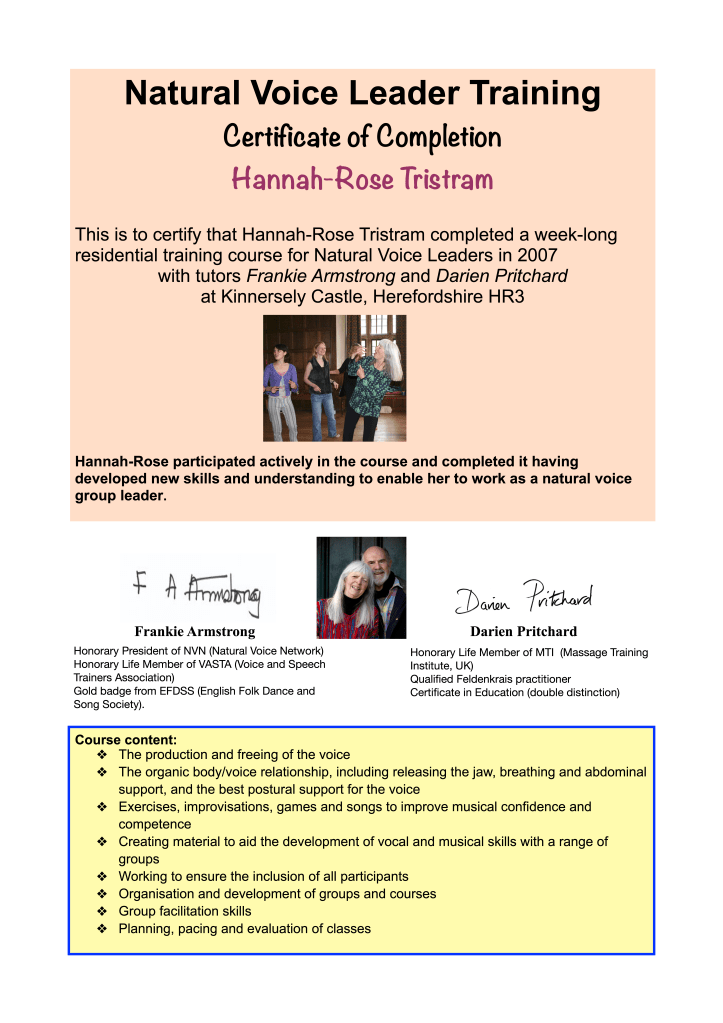
Attached is my certificate!

I also wanted to share this blast from the past – it’s a certificate from the Natural Voice Teacher Training I undertook with Frankie Armstrong and Darien Pritchard, back in 2007 when I was in my early 20’s, fresh out of drama school and looking to do something meaningful, expressive and community oriented, ideally with lots of great harmonies on the regular – Frankie and Darien showed me how!
If we’re taking stock of life changing moments I would definitely include the discovery of, and time spent singing and studying with, Village Harmony Choir and Northern Harmony choir; as well as time with Chichester Festival Youth Theatre – amongst other life events, these have had some of the most positive influence on who I am, what I do and how and why I do it. Thank you to those humans whose energy, drive, spirit, creativity and ethos, made those things happen!
I can’t find photos of those things at present but here’s a link to me and my parents singing some shape note songs in honour of Larry Gordon who founded Village Harmony and Northern Harmony, at the time of his death:
May joy and love be with you today and here’s to the people who, by being themselves and following their own paths, help us feel free to be more of ourselves too.

Image is of Hannah-Rose at an LGBTQIA+ rights protest in London, speaking into a megaphone.
Recently I finished a month long / 5 week long teacher training course in trans voice alteration / coaching!! Wohoooo!
It’s been a life changing, affirmative, informative experience.
I’ve learnt a huge amount from the brilliant Renée Yoxon Renée Yoxon and from everyone attending the course too.
I’ve come away with:
– new and/or improved tools and understanding about trans voice practice;
– tonnes more learning about vocal anatomy and the science of sound
– practical applications for this that are useful and fun;
– tips for making practice habits that work for you ;
– voice modification tools to suit a wide spectrum of people, wishes and goals;
– games for practicing spoken voice;
– practical ideas for so many scenarios;
– better self knowledge about my voice habits and practices, areas of expertise and knowledge-gaps;
– great resources coming out of my ears
– and so much more besides.
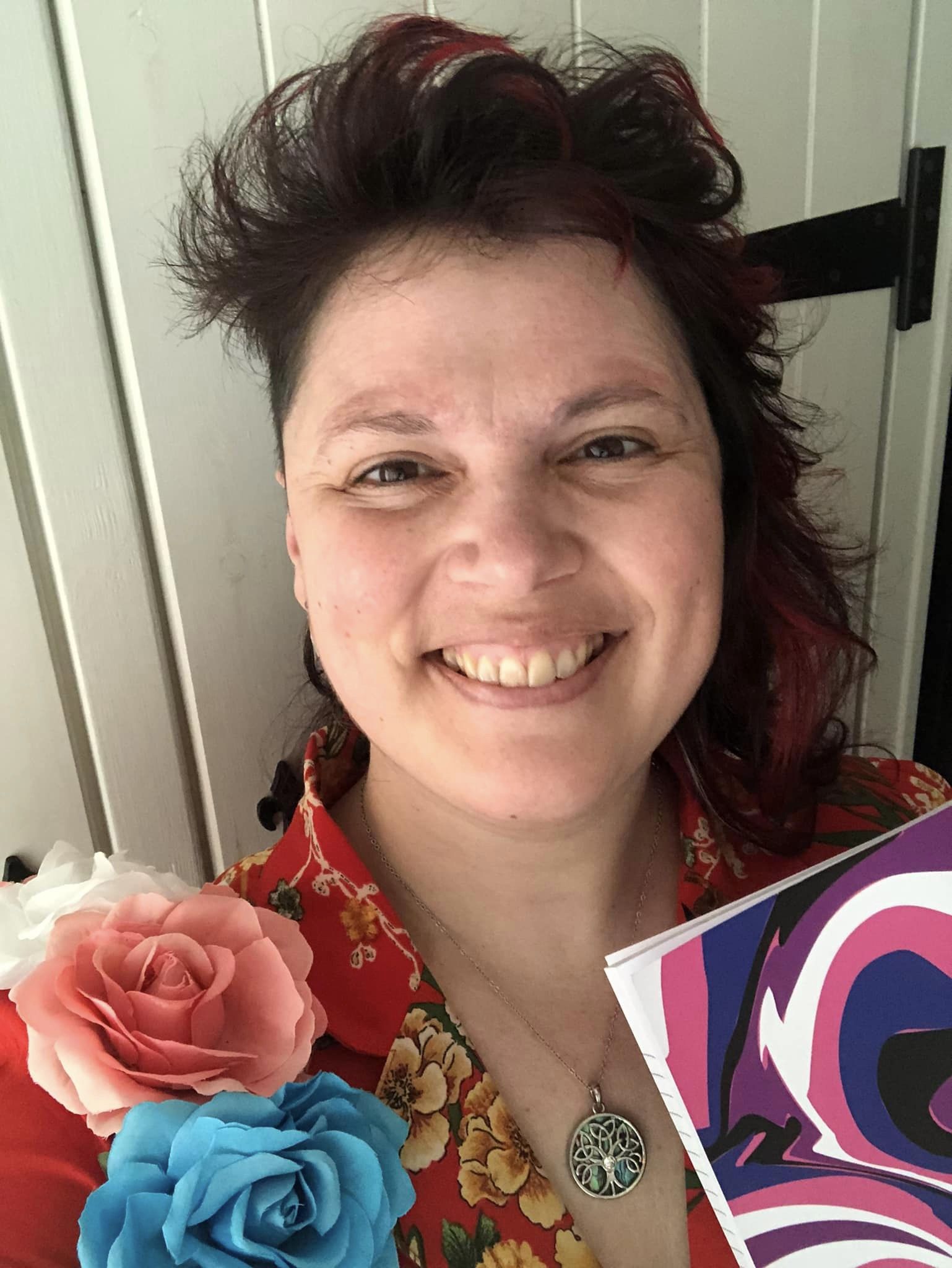

The course also included some self reflection exercises to assist with general learning about understanding of gender identity & experiences.
These excercises, along with increased understanding of available language around gender (and my own reflections over recent months and years) have given me more clarity about my own experiences and helped empower me to express and define myself in different ways lately too. I actually came out as gender-fluid partway through this course, somewhat to do with my own timeline and somewhat to do with the support and input of the cohort and the course.
It’s been a huge honour to be amongst different types of people from all over the world, all bringing different experiences and expertise, and coming together with a shared goal of making gender affirming voice coaching and resources, accessible to those who need it.
Expertly facilitated and brought together by the generous and skillful Renée Yoxon. What a hoot!
I’ve learnt things that will (and in some cases are already) help with my voice practice in all areas (sung, spoken etc); I’ve felt community and solidarity where it is much needed; and I’ve felt supported in what is a big part of my life’s mission.
I’ve just got the exam to go now; and then – after a pause in work related proceedings while I …. Drum roll… get married to the love of my life, and go on our honeymoooooon!! woweee!!!….
Then I’ll be sorting out the practicals of where, when and how to make this offering accessible, online and in person, and also seeking out funding to make it available to all who want it!
I can’t wait to share this work with you in the Autumn. Do tell people about it – I want to start delivering this work asap in the Autumn from October onwards, even if there are still some practical nuts and bolts to figure out!
It’s super work and I’m looking forward very much to sharing what I’ve learned and being helpful to trans, non-binary and gender diverse folk who might benefit from it.
Thanks for your support and for reading. Pride and solidarity! HR
#GenderAffirmingCare #GenderAffirmingVoiceTeacher #GenderAffirmingVoice #TransVoice #TransVoiceTeacher #Trans #LGBTQIA #VoiceCoaching

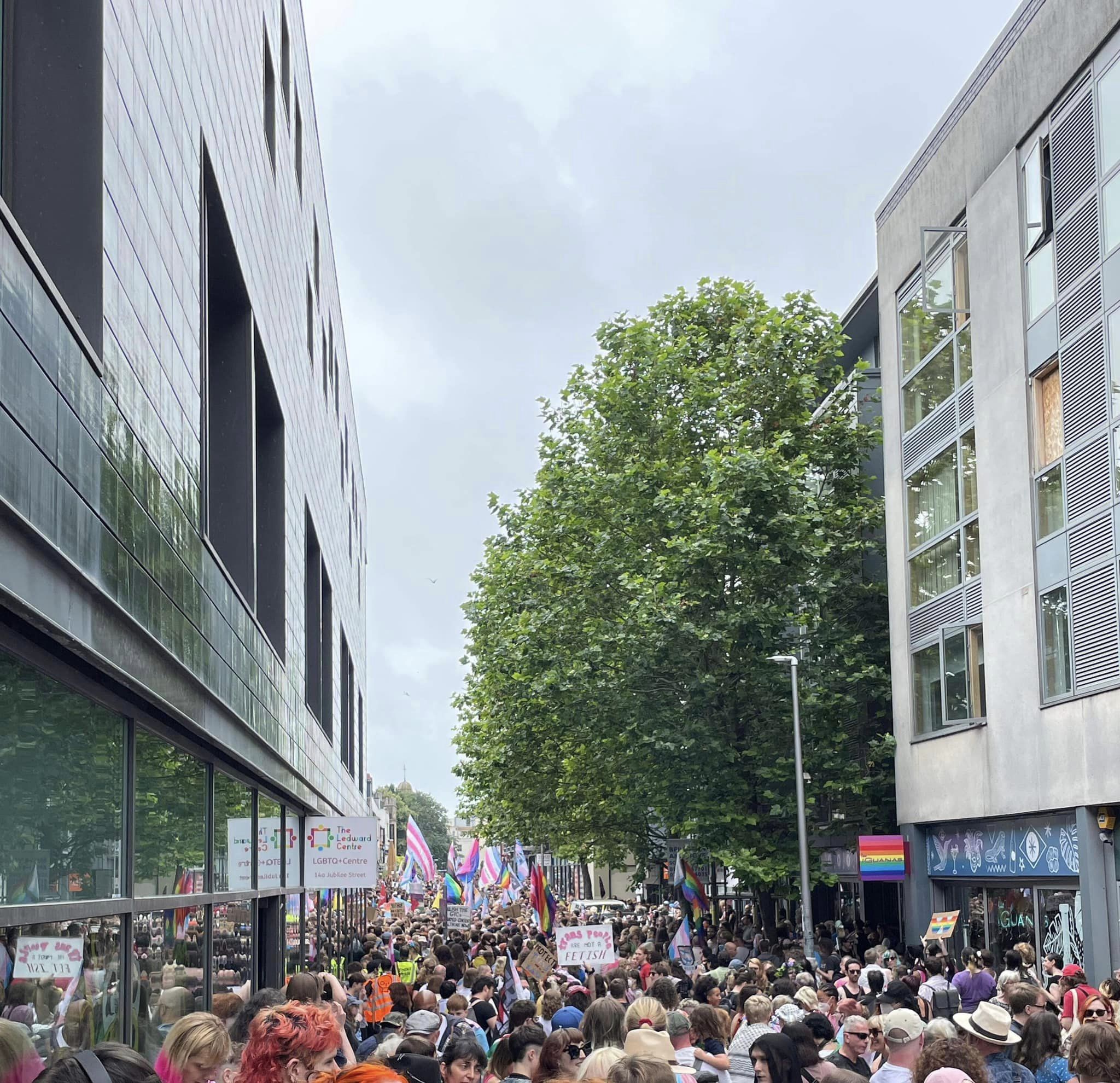
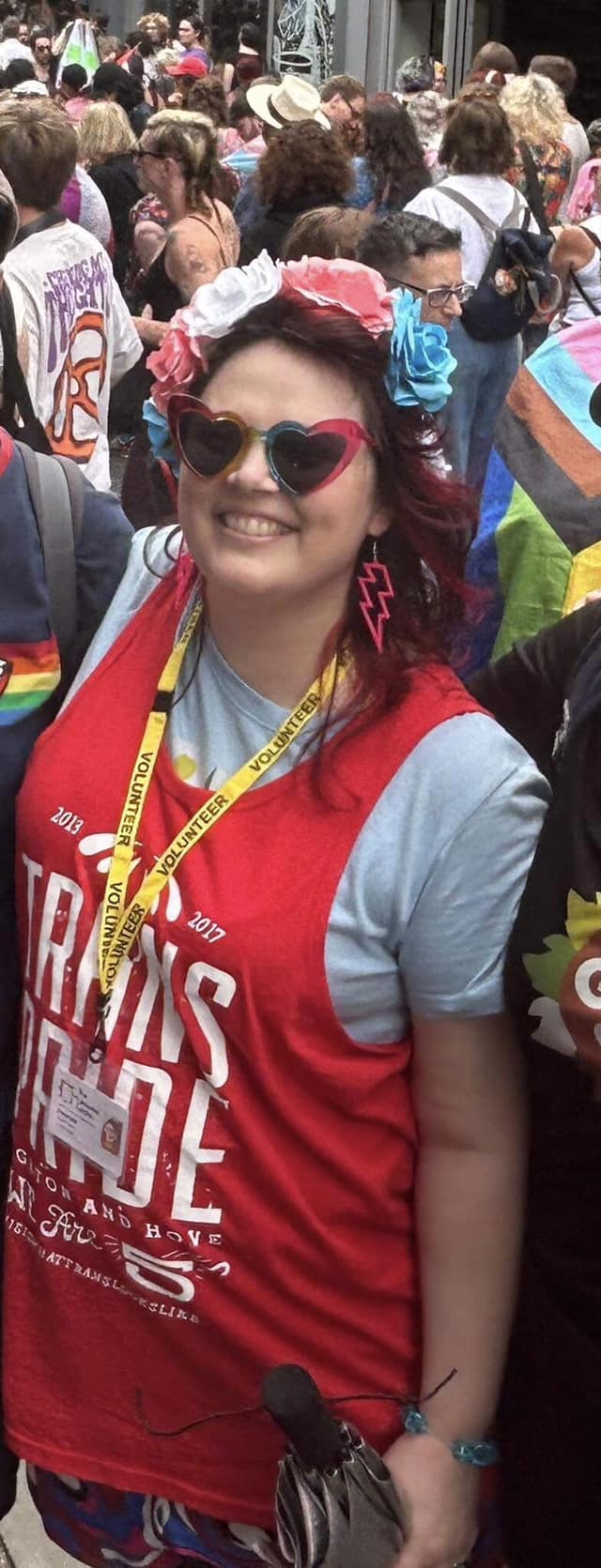
Happy trans pride! It’s been a joyous, moving and rewarding day! Huge well done to everyone who made this event happen and kudos to everyone who’s still doing stuff into the night today!
Trans pride is so needed. Now more than ever, I think. In a time of much Yuck Stuff (easiest way to sum it up without giving it all too much air time and bringing down the joy vibes) directed towards our LGBTQIA+ community and the trans community in particular, nothing could be more nourishing than a day of pride, action, chanting, dancing, marching, being exuberantly ourselves, co-creating safety as far as we can, and gathering on masse amongst trans+ people, queer folks and allies.
I’ve somehow managed to find the adrenaline and joy-spoons to be present as a volunteer at the Ledcen for just over 5 hours of trans joy and rolling up my sleeves, with a brief skirmish out to march in the trans pride march with the wonderful folks of GLOWchoirBrighton today.
Joys. And an honour to be part of. Here’s to trans rights improving, and society at large calming down about the trans community and getting on with being supportive of trans rights, which are human rights, and becoming more anti-discriminatory.
It’s been wonderful to have conversations and interactions with everyone who has come to/through The Ledward Centre today, huge joy and very interesting! And our merch stall raised some good funds for the Ledward Centre and for trans pride so thank you everyone who bought from us or chatted to us!
I’m proud of getting through a lot of sensory overwhelm, spoon crashes and symptoms, to be a helpful cog in a machine-of-change I really believe in; which fills my soul with good feels.
Happy trans pride all 




Happy news – I passed my coaching my coaching & mentoring exam!! Wohoooo!
This has been a piece of really interesting learning I’ve been undertaking over the past few months, to help with my 1-1 sessions of all kinds.
I hope that what I’ve learnt will help underpin, enhance and support my delivery of trans voice sessions, singing lessons, instrumental lessons and of course actual coaching/mentorship sessions (related to fields I have experience in), and generally improve any 1:1 or interpersonal work I might be undertaking.
This was my second go at the exam as I missed the pass mark by two marks last time – and I’m so glad I didn’t give up, and that I went back and restudied the bits they pointed me towards revising as it was really interesting, helpful and important areas to learn about that I must have glossed over in a spoonie moment last time!
Edit – I just got my scores and I must have studied well as this time, I got 100%! Here’s to learning and to going back and trying again!
🌈❤️ 📖 📚 🤓
#study #learning #coaching #mentoring #mentorship #TryAgain #KeepLearning #LearningIsFun #singingLessons #MusicTeaching #CreativeCoaching #TransVoiceTeacher #VoiceTeacher #LearningIsAProcess


I’m on a trans voice teacher training intensive this month, which I’m enjoying SO much! Excited, hopeful and thoughtful about what I’ll offer people afterwards. This course feels very much like right place at right time.
Had an informative, affirmative 5 hour session today – which flew past! – with the brilliant Renée Yoxon & wonderful cohort of gender affirming voice teachers in training I’m learning with.
This training has already given me lots to reflect on, as well as the start of some great tools for gender affirming voice coaching and vocal exploration – and there’s lots more learning ahead! Always be learning.
Here’s a few insights to share from what I’ve been thinking about lately.
I hope these reflections are helpful for you, and/or affirming or thought-provoking. Feel free to let me know if there’s something you think I should be aware of in relation to anything I’ve shared.
*
Thoughts:
It can have a profound & positive impact to align your voice with your identity.
It can have a negative impact to feel misaligned, or be perceived by others in ways that don’t fit your identity, and this relates to voice too.
Developing your voice in ways that feel like you, and affirm your identity, can be a source of happiness, gender euphoria and gender comfort.
Gender comfort – a great phrase from Renée, as gender euphoria is not everyone’s experience all the time / can feel like a high bar to achieve.
Being perceived by others in a way that aligns with your identity, and also keeps you safe, can also be very important, and voice work can be a part of this.
The voice that fits the way you want to be perceived by others, may not be the same as the voice that makes you feel most comfortable in and expressed as yourself (though it may be).
We often use our voices differently in different contexts, regardless of gender. Some people may also wish to develop and practice different voices to express different aspects of their identity.
Expanding into a different voice can be a varied experience that evokes emotions. Supportive vocal practice involves having tools in place to process these, inside & outside practice time.
Building a practice is a life skill in itself. Finding ways to practice that work for you is paramount.
Practice can be playful, disciplined, reflective, transformational, varied, a journey. Proper breaks from practice are an important part of progress too.
Some people’s voices (trans or cis) may be affected by their hormones and/or surgeries.
I’ve learnt lots of helpful words on this course, here’s a few:
– Endogenous (eg endogenous hormones, coming from the body).
– Exogenous (eg exogenous hormones, coming from outside the body).
– Lots of gender identity words such as: Maverique, and Genderflux – go look them up!
The course is also giving me an affirmative space in which to reflect further on my own gender identity, which I’ve been thinking about lately, as well as throughout my life in a fairly private way.
Discovering there are lots of gender identity words and things people mean by them, some of which reflect in part my own experience, is moving, delightful and very affirmative.
I feel that, for some, aligning one’s inner and outer self or selves could be said to be important to the journey of the soul. While some people might not relate to that concept, word or experience (which is totally fine!), some people may experience a spiritual aspect to this exploration.
I’m also interested in the intersections between disability, gender and voice and how these three things influence each other. My voice use has changed since I became disabled and affected how I experience and express my gender, in ways I don’t always enjoy. Food for thought!
There’s my small essay of thoughts to share! I’m so excited to be doing this work and supporting trans, non-binary and gender non conforming voices – this is just the beginning!
I have big dreams for how I’d like to offer trans voice coaching and alteration accessibly in our city and beyond, and I hope to make those come true next year – or sooner, let’s see!
Thanks for reading my rambling thoughts.
#TransVoice #GenderAffirming #VoiceTraining #Inclusion #GenderAffirmingCare #GenderAffirmingVoice
#GenderAffirmingVoiceCoach #TransVoiceAlteration #TransVoiceTeacher #TransVoiceLessons #TransVocalExploration #TransVoiceTraining #VoiceFeminization #VoiceMasculinization #Nonbinary #TheyThem #Genderfluid #GenderExpansive #MTF #FTM #GenderAffirmingVoiceTeaching #GenderAffirmingCareSavesLives
June 28th, marks 55 years to the day, since the 1969 Stonewall uprising.
A significant moment in LGBTQIA+ history, when people at the Stonewall Inn — a gay bar in Greenwich Village in lower Manhattan — rebuffed a police raid and set a new tone for the LGBTQIA+ rights movement, inspiring much further activism and the first pride marches in 1970.
To honour these events and the people who were a part of them, GLOW choir would like to share with you a song written for LGBT+ history month this year, written for GLOW and for LGBTQIA+ people everywhere. The song is called: Revolution!
Listen to the song at the video attached:
*
Revolution! has lyrics quoting LGBTQIA+ people past and present. The song honours queer elders whose lives and actions have helped bring about the freedoms some of us enjoy today;
It also acknowledges the determined spirit of our LGBTQIA+ community to continue surviving, and supporting each other to thrive in whatever ways we can, against all the odds.
The song also acknowledges that there is still work to be done, everywhere, for LGBTQIA+ people to be able to live safely and as themselves.
GLOW Choir hopes that this song will help inspire queer communities to keep supporting each other, fighting for all our rights, surviving and making the world a better place for everyone under the LGBTQIA+ umbrella, all over the world.
Most lyrics are quoted from important figures from queer history, but there are some newly written lyrics too by GLOW’s choir leader Hannah-rose, with help from Chris.
These new lyrics give a nod to the importance of ‘queer joy;’ as activism can burn us out, as can being LGBTQIA+ in societies that have hostility towards that. Which makes joy and nourishment all the more important!
*
You’ll find quotes in this video from Sylvia Rivera, James Baldwin, Harvey Milk and Marsha P Johnson. You can see photos of these incredible people attached to this post.
Silvia Rivera and Marsha P Johnson were both actively involved in the Stonewall Inn uprising on June 28, 1969.


Sylvia Rivera (1951 – 2002) was an American gay liberation and transgender rights activist and community worker, who co-founded STAR with Marsha P Johnson. From Sylvia and Marsha’s perspectives, personal freedom depends on the liberation of all oppressed peoples.
Marsha P. Johnson (1945 – 1992) was an African American trans woman who was an LGBTQ rights activist, drag performer, and an outspoken advocate for trans people of colour. Her life has been celebrated in numerous books, documentaries and films.
Marsha P Johnson spearheaded the Stonewall uprising. She said:
“You never completely have your rights, one person, until you all have your rights.”
The P in Marsha’s name stood for “Pay It No Mind” – a saying which the activist used constantly. When people questioned her gender or her ideas on gender identity, she would simply quip back, “Pay it no mind!”
Syvlia Rivera said in an interview in 2001 about the Stonewall riots, that while she did not throw the first Molotov cocktail at the police (a long-enduring myth), she did throw the second. For six nights, the 17-year-old Rivera refused to go home or to sleep, saying “I’m not missing a minute of this—it’s the revolution!”
*
Other quotes you may find in this song:
“Hope is never silent,” Harvey Milk.
Harvey Milk (1930-1978) was an American politician and the first openly gay man to be elected to public office in California, as a member of the San Francisco Board of Supervisors.

*
“You have to go the way your blood beats. If you don’t live the only life you have, you won’t live some other life, you won’t live any life at all.” James Baldwin (advice from a friend).
James Baldwin (1924 – 1987) was an American writer and civil rights activist. His writing explores themes of masculinity, sexuality, race, and class, with narratives running parallel to some of the major political movements toward social change in mid-twentieth century America.

*
If you think we’ve got any of our facts wrong, feel free to update us on glow@getbrightonsinging.com
*
Here’s to Stonewall day, and to LGBTQIA+ activists everywhere.

It’s neurodiversity celebration week! A helpful person let me know this last week and I found a whole programme of wonderful events happening in celebration of this.
This morning I attended a brilliant session on “Neurodivergent & LGBTQIA+; the Double Rainbow Intersection,” where I learnt a lot and heard from a range of wonderful speakers.

Incase you want to attend any of the remaining events, head to the website below:
https://www.neurodiversityweek.com/events – I hope this link will work if you haven’t already made a log in, but just incase it doesn’t:
Head to the main website where you can log in and get access to a whole lot of wonderful resources, and all the online events happening for the rest of this week: https://www.neurodiversityweek.com/
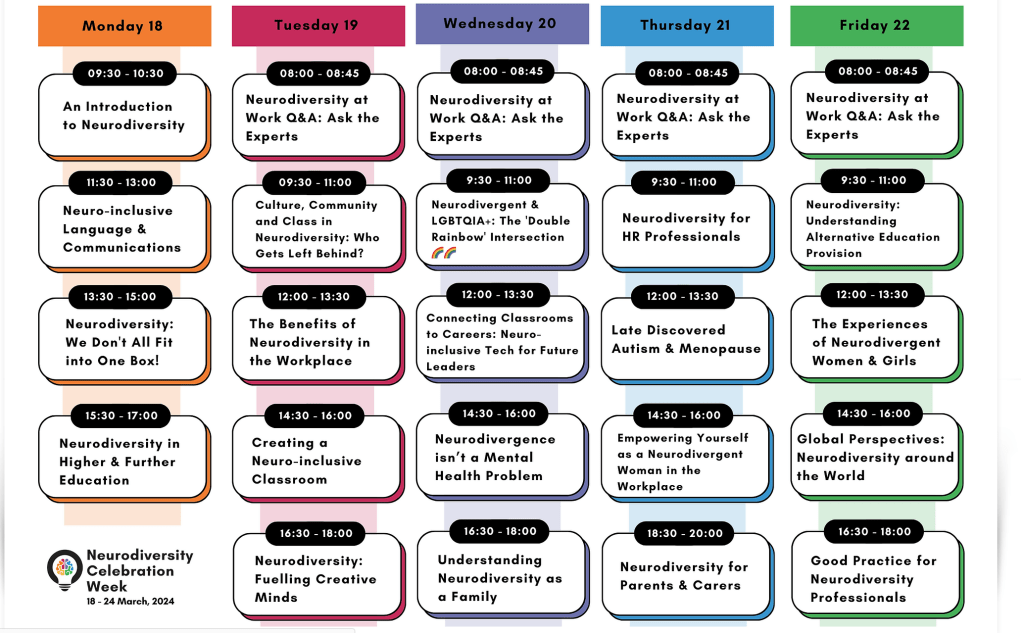
These events are, I think, all free, and the event I attended was brilliant.
*
On celebrations – the LGBTQIA+ community choir that I lead, GLOW, is meeting to sing this Saturday! And all voices are welcome. Info is below if you’d like to join us.
To help prepare for our Saturday sing and to mark Neurodiversity Celebration Week for GLOW choir, I’ve put together a list of celebratory online resources to do with neurodiversity, some of which we will have printed versions of at GLOW on Sat.
Peruse at your leisure, and feel free to let us know if you think we’ve missed out something great or shared something that’s not quite right.
GLOW choir is back! This Sat 23rd March at St Luke’s. Book your places here https://bit.ly/GLOWBOOKING or find the booking pages via GLOW choir website https://getbrightonsinging.com/glow-choir/
We’ll sing Revolution – a song written for GLOW, filled with uplifting quotes from queer elders and activists including Marsha P Johnson, Sylvia Rivera, Harvey Milk and James Baldwin, as well as new lyrics written especially for GLOW by Hannah-Rose with help from the wonderful Chris! https://www.youtube.com/watch?v=XCTLMq3548w
We’ll also sing Kate Thomas’s ‘Be Yourself’. An affirming, relaxing, chill and soothing celebration of places where you can “come on in, and be yourself, there’s a place for you here” and the metaphorical fireplace of singing together in a circle! If time we may also sing a round based on Emily Dickinson’s (1830-1886) words about hope.
*
This week is neurodiversity celebration week. Hooray! So we will have some celebratory resources out at the session, for you to peruse, read in the break, photograph your fave bits, etc.
Here’s a list of some online celebratory resources to do with neurodiversity. Peruse at your leisure, and feel free to let us know if you think we’ve missed out something great or shared something that’s not quite right.
– Colourful Illustrated Book about ADHD, by people with ADHD, for people with ADHD, provided by the organisers of neurodiversity celebration week: https://www.neurodiversityweek.com/_files/ugd/46eb70_7f4490d934f54d58be348008f1bd9ce1.pdf
– Events Schedule for online neurodiversity celebration week events, this week. https://www.neurodiversityweek.com/events?utm_campaign=NCW%202024&utm_medium=email&_hsmi=82576213&_hsenc=p2ANqtz-9aD96RdBTn90–pCpM5Usdi88eoKjNPunZndFfEmZ9LDSOqDlWMrqBYHN2PwV63VkO06exjPGie6maGPSXCYZlNeAjBH0CmbdU7TWEl4HcngW5L8c&utm_content=82576213&utm_source=hs_automation
– Famous artists with Dyslexia, short article: https://www.succeedwithdyslexia.org/blog/the-famous-artists-you-didnt-know-had-dyslexia/
– Florence of Florence & The Machine, & Learning Differences, short article: https://www.understood.org/en/articles/celebrity-spotlight-singer-songwriter-florence-welch-is-proud-of-her-dyspraxia
– Introduction to Neurodiversity Celebration Week and starting point to lots of different links:
https://www.neurodiversityweek.com/introduction
– Picture list of books by autistic LGBTQIA+ authors / books by autistic authors that centre LGBTQIA+ narratives, see link for more clear description.
https://autismbooksbyautisticauthors.com/lgbtqia/
I hope these resources are useful or interesting for you!
*
Can’t wait to sing with you on Saturday! All voices are welcome. Go GLOW! ❤
Thanks for reading this blog post, wishing you a happy day,
Hannah-Rose
It’s been quite an unusual time lately; but I took some time out to do this lovely gem of a CPD session and it lifted me right up!

Queering Vocal Pedagogy, Affirming Trans and Genderqueer Singers, was a brilliant session and I learnt a lot and had a great time. A session with its heart in the right place and lots of helpful and thought provoking content. Thank you!
The session facilitator / leader has written a book on the subject which I look forward to finding and reading also and some people reading this might be interested in, I found this summary.
Wishing you a good day,
Hannah-Rose
Super exciting news!!! 

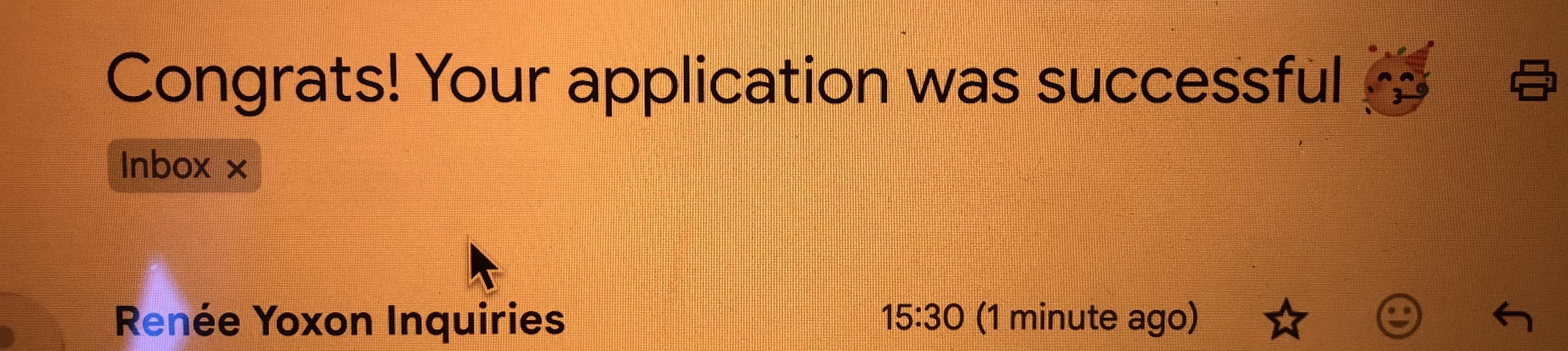
A while ago I applied to a teacher training course on teaching trans voice alteration with Renée Yoxon , a gender affirming voice teacher whose work and ethos I massively rate, and who is all about finding ways to bring more trans joy into the world and sharing specific tools to do that for voice teachers like me, and more importantly, to support and affirm trans and non binary voices.
A small number of people will be on the course in any given year so I feel very very happy and lucky to have received a place, and can’t wait to immerse myself in this content with a super group of people and come away with a much enhanced tool kit for supporting trans and non binary voices, in the years to come.
I just received this news yesterday and my partner will confirm I have been skipping and dancing around the house for queer joy and anticipation of the learning-in-right-direction-and-good-company and all the wonderful tools I will be learning and better equipped to share after the course.
It matters more and more these days, as tides of politic turn and turn about – space for queer joy and trans and non binary affirming practice.
I’m already gently studying Renee’s vocal masculinisation and vocal feminisation courses, in rather limited spare time at present, which I also highly recommend for anyone exploring voice alteration (available on their website).
Happiest of news. Can’t wait.


If this is something that’s of interest to you, feel free to get in touch on hannahrose@getbrightonsinging.com and we can have a conversation about how and when to get started to best support you, around what I can currently offer you and the timeline of my learning this year.
I’ll be undertaking this training this Summer, so will be best positioned to help after that with much enhanced understanding and skills/tools to pass on and share. I am already working in a gender affirming way and do have years of experience of working with trans and non binary voices, individually and in a choir context, so feel free to get in touch sooner if you’d like to.
I have some big life events happening this year so my availability for sessions might be slightly less regular than in other years. I’m also hoping to source funding for some low cost or free sessions for trans and/or non binary people who want private voice coaching but couldn’t afford it, for 2025 realistically, so watch this space (feel free to send advice or links my way about this – new area for me!).
Wishing you all the joys, Hannah-Rose
Hello dear reader, I hope you’re as well as possible this chilly January day.
I’m going to start by doing a shout out for @glow.choir who have
Big Riot Energy with some of their songs this term!
Please enjoy this taster of a brand new song, Revolution! written by Hannah-Rose Tristram (moi) especially for GLOW this term & for LGBTQIA+ people everywhere.
Lyrics feature uplifting, important quotes adapted from Sylvia Rivera, Marsha P Johnson, Harvey Milk & James Baldwin, + some fresh original lyics by Hannah-Rose with help from Chris Brown.
If you fancy singing this song, come sing with GLOW Choir this term – all voices welcome at Brighton’s Community Choir for LGBTQIA+ people & Allies!
Book your place to join the singing – deets on https://bit.ly/GLOWBOOKING
If you’re a song leader and want materials for this song, or if you’re not attending GLOW and want to hear the full track, you can do so at getbrightonsinging.com/shop/ – which you can find via the GLOW website
Also likely to feature on this GLOW term’s riotous song menu:
* Standing in the way of control! Arrangement of the song by Gossip – being made by Hannah-Rose as we speak!
* Hope is the thing with feathers – a round based on a poem by Emily Dickinson, featuring a new-to-GLOW composer
* How Can I Keep From Singing? An ancient song that’s gone through many permutations, arranged by Hannah-Rose taking inspiration from Larry Gordon, Pete Seeger & other greats who have influenced the way this song shows up in the world
* A beautiful soothing invitation to ‘Be Yourself’ – by a new composer to GLOW
* A Million Nightingales – a song of freedom with words by a Palestinian poet, and music by a Jewish composer. Every time we sing this, 10% of profits from the session will be donated to relief work eg UNRWA or other relevant orgs.
And songs of building love through adversity,
songs of celebrating what we have,
songs of Summer (when the weather changes),
songs of adoration,
songs of silliness,
songs of depth – it’s a gorgeous menu shaping up for you!
Do be brave and come and join GLOW Choir, it’s a welcoming, inclusive space to be yourself & sing with other LGBTQIA+ folks & Allies. Hope to see you there!
*
Secondly, I’m sharing celebratorily that I’m very proud to have completed the course below, which was fascinating, challenging, and an intersting overview with lots of detail, of how the voice impacts on and interacts with health and wellbeing in a variety of different ways, for different people. ❤ Hooray for learning. ❤
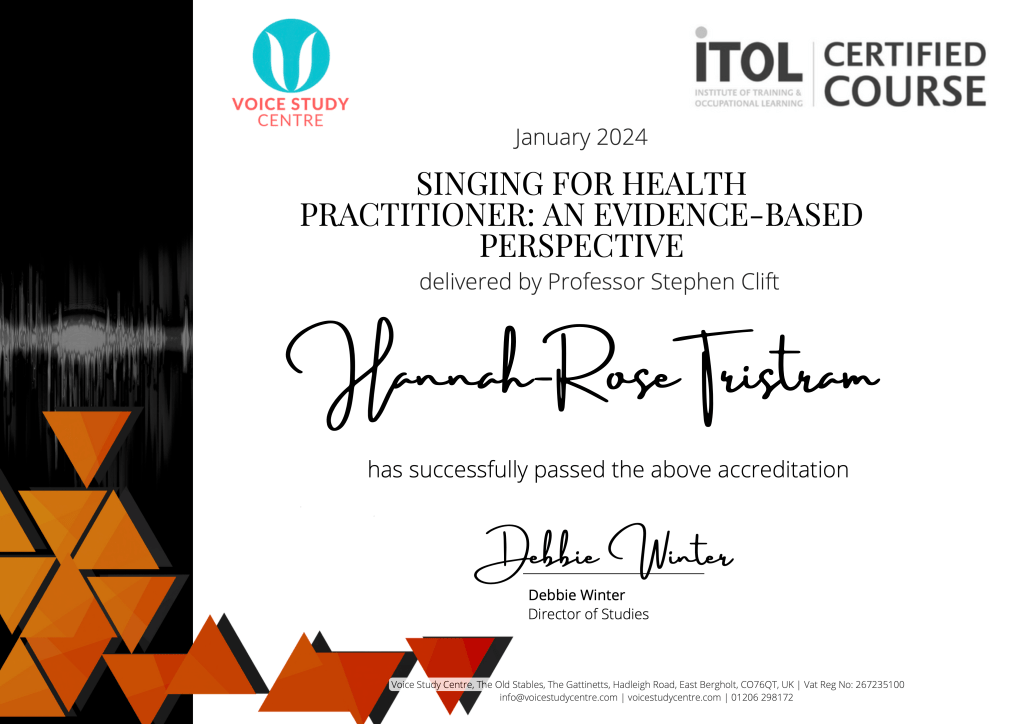
Image above reads: Voice Study Centre, Itol Accredited Course, January 2024,
Singing For Health Practitioner, : An Evidence Based Perspective, delivered by Professor Stephen Clift. Hannah-Rose Tristram has successfully passed the above accreditation. Signed, Debbie Winter, Director of Studies.
*
With ongoing learning in mind, I’m undergoing training with the brilliant gender affirming voice teacher Renee Yoxon, studying two of their courses that run on a self led basis, on Mindful Voice Feminisation, and Masculinising Your Voice Without Testosterone (which can be helpful for people using T or not), and am hoping to undertake further study with them later this year, to help me better serve and affirm trans and non binary voices.
*
On a personal note – it’s a big year and I’m probably going to be moving house at some point, and definitely going to be getting hitched to this beauty

…so with these exciting events, working multiple jobs and being chronically ill (which is currently extra tiresome post covid), and the surprises life will no doubt throw our way – it looks to be a rich and challenging year!
I look forward to supporting you in your voice journey in whatever way I can, during this year. Whether that’s through one to one voice coaching, singing lessons, choir spaces or something else – I hope to see and hear you singing!
Tata for now, Hannah-Rose
Today, I am feeling very happy after a fully lived day of things oriented around music.
This has included working on my mission statement, which has helped me reconnect to why I’m doing what I’m doing, preparing beautiful songs for upcoming choir sessions, practising new things on flute and accordion, the admin of it all, and teaching singing at Under The Bridge.
When I was teaching singing today, I felt particularly grateful for and aware of, everyone I have learnt from, directly or indirectly, whose input influences what I bring to the table as a teacher.
Input ranging from the very recent… such as a CPD I undertook earlier this week with Amanda Flynn at the Voice Study Centre around Belting, which was brilliantly informative both about practice, history, semantics, acoustics, excercises and all sorts of useful and thought provoking things.
To the longer ago… reconnecting with some of the wonderful embodied voice work I did with Frankie Armstrong when I did my Natural Voice teacher training with her in 2007 and apprenticed with her in my early 20s. I’m so thankful to have been activated by the presence of such a dynamic singer, mover, activist and human, as a young adult.
And longer ago still, as well as throughout my life intermittently… learning to use my voice in such a variety of different ways, seemingly ‘not permitted’ by the dominant culture around me, and with such greater freedom and fuller humanity, on Village Harmony and Northern Harmony study sessions, camps and concert tours.
Learning folk, sacred, secular and traditional music from around the world, authentically taught by wonderful guest song leaders from each culture and well studied Village Harmony leaders. I started having these incredible, life changing experiences that give such a different perspective on, well, everything, as a child, and carried on as often as possible.
I feel incredibly grateful for the vocal, emotional and worldly learnings that everybody I encountered on Village Harmony experiences has given me, that I bring to the teaching studio with me. I am also aware of the people whose cultures I have learned from in this process, who have passed these songs on and the routes by which I have come to sing them, some of which are more/less comfortable than others (but that is a different essay altogether). I am most especially for the late Larry Gordon, founder of Village Harmony, and Patty Cuyler, whose organisational marathons and great passion for the music have inspired so many people sing, sing, sing. As Larry would say: “it’s time to sing everyone!”
Starting even longer ago, and continuing more consistently through my life, my mother’s massive passion for all things music, and my dad’s and sister’s musical interests and joys too, have also been a great motivating factor in my being so sure about wanting to dedicate my life to bringing music into the world. Time spent around the kitchen table with all four of us singing shape note songs together, will be some of the most cherished of my life, such a strong sense of belonging and transcendence.
I’m also grateful for everything I learnt at Rose Bruford college doing my Actor Musicianship training in my early 20s, and at Chichester Festival Youth Theatre as a child and young teen, hurling myself into lots of different roles with full body and voice and getting to explore being more fully human in the process, and to the wonderful humans involved in those and many other related experiences.
I feel thankful for the Estill Training I’ve done, which is quite mindblowing and very helpful for demystifying what is happening when we sing! Although I do sometimes struggle to retain all the helpful anatomy words, despite doing the course twice (more of them are starting to stick – if any voice nerds want to revise with me, I’m game!). Its richly factual and thoroughly practical content has informed my teaching very much, and I honestly feel like I could probably do that course again several times and still keep learning more.
Also very thankful for a super duper singing teacher who I found recently who holds space for me to explore singing what I want to sing, for me, for fun, and to put my own voice under the metaphorical microscope semi-regularly: which helps keep me inspired and fresh and musically nourished, connected to myself as a singer, and ready to keep holding space for others to sing.
I think I’m also thankful for the singing teachers who I would rate as “bad” teachers (no hyper links here lol), or rather, teachers with some qualities that I think are damaging, who I have encountered over the years (gasp! A negative comment! From Hannah-Rose! WHAT!). I won’t make a “list of sins” but I think that in hindsight, and with clarity (and the chance to undo any damage done), negative experiences have shown me what kind of teacher I don’t want to be, which helps me be clearer about the kind of teacher I am.
As I watch the tools as my disposal flow out of me in response to my student’s requests in the moment or before a session, I feel a crowd of wonderful people at my back, a sense of musical family whose influence I bring forward into this moment, with this person. It is such a special thing.
As self employed teachers, we can spend a lot of time leaning on ourselves, working alone, self motivating, and being the ‘driving force,’ of things. I think it’s really important to step back, focus wider, and remember that we are a part of a big, wide web of music, across time and space, and we bring with us all the influences to date – filtered choicefully to make our own unique creation that is a part of the web also. We are not alone.
So – thanks everyone. Including the wonderful people who are or have been part of my music and singing life that I haven’t had time to mention properly here.
I’m so grateful you sang with me, encouraged me, inspired me. I’m making ripples of the same in my work and it is my honour to do so.
Thanks for reading my musings today.
Huge congrats to GLOW Choir and friends and a big thank you to everyone who was part of our Summer Sharing event 2023!
We had a wonderful time, and raised £150 for Rainbow Railroad.
You can see videos of our wonderful event, on our socials:
GLOW on instagram
GLOW on facebook
Many thanks to Mike South Photography for the videos.
*
Booking is now open for GLOW choir’s Autumn term 2023:
Simply follow this link to our GLOW Choir booking page.
Whole term bookings are a great way to support your choir, and also get a discount on the whole term cost.
Whole term bookings are non refundable, regardless of how many sessions you attend.
The discount available may vary term-to term.
This term we are offering folks who purchase the whole term up front, a free GLOW badge as a thank you!
Click this link to book your whole term!! Whole Term Booking Page
Find out more about GLOW at the
GLOW Choir Website: https://getbrightonsinging.com/glow-choir/
This beautiful thing is happening!

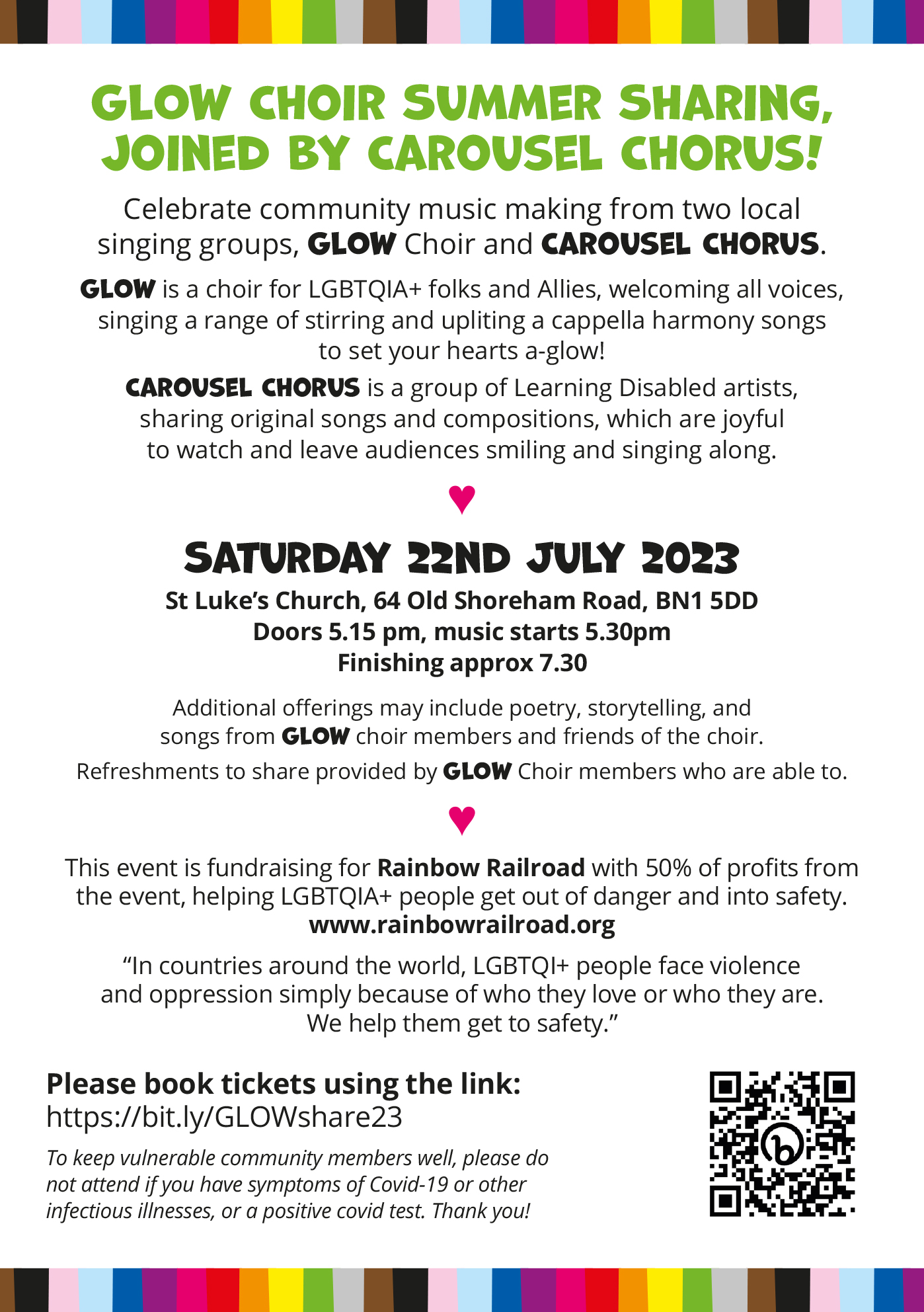
Celebrating community music making, and supporting the very important work of Rainbow Railroad, helping LGBTQIA+ people get out of danger and into safety.
Book tickets and find out more, here:
Song Snippet of one of the various songs we’ll be enjoying this month…
(full song credits and background information are given at sessions)
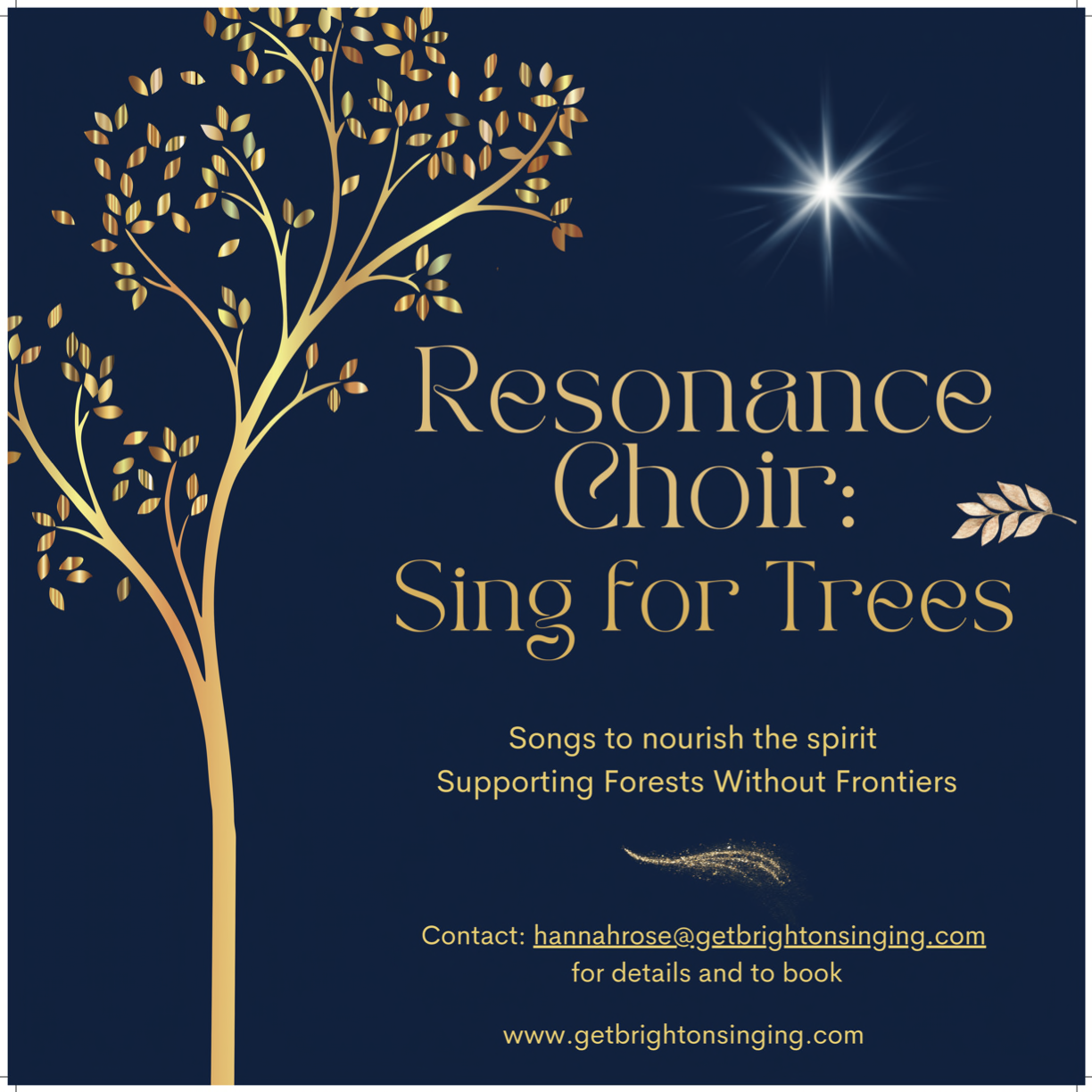

Contact hannahrose@getbrightonsinging.com to inquire or to book, and for full details.
All voices are welcome!
See also https://getbrightonsinging.com/resonance-choir-sing-for-trees/
Hello! I hope you are as well as possible today.
I want to share with you some of the exciting and meaningful projects I’ve been involved with recently, which have been and are being a joy.
I hope life is being kind to you, and thank you for taking the time to read this.
I want to add that I am feeling very human, and quite tired out after a long run of many exciting projects one after another, without quite enough downtime.
If you’re feeling tired out too, I hope you’ll take this as a reminder to take a break, even if it’s just a short one, and do whatever nourishes and replenishes you.
Thank you for taking the time to catch up on my wee bulletin below.
Some of the things I’ve been up to recently have been:
* Directing the singing for After The Rain, a puppet show about all the creatures that come out after the rain.
I loved working with Sabotage Theatre Company, helping people shine with their singing and collaborating to bring the composer’s ideas to fruition. It was awesome! https://www.sabotagetheatre.com/saboteurs

Image from sabotagetheatre.com
—-
* Working with the New Note Strummers, a guitar group for people in recovery from addiction, on singing confidence and vocal harmonies.
https://www.newnote.co.uk/get-involved/new-note-strummers/
It’s been an honour to work with this friendly and welcoming music group that supports people in recovery to connect with others through music. I look forward very much to continuing to support the singing life of this group.
https://www.newnote.co.uk/get-involved/new-note-orchestra/

Image from newnote.co.uk
—-
* Co-creating and co-delivering a training on ‘Welcoming trans and non binary people to your choirs,’ to the Natural Voice Network and other choir leaders.
This is something that myself and my co-trainer Chris have been passionate about and learning about for a long time, and the build up to this event has been occuring over a period of years.
This training event was created with the support of the Natural Voice Network, to help launch the NVN Statement on Gender Inclusion and Awareness, and to help bring education and practical inclusion training and awareness to NVN membership.
It is now a training product available to other choirs and organisations, to find out more see:
And/or contact hannahrose@getbrightonsinging.com
Trans pride flag
—-
* Giving singing lessons at Under The Bridge music studios to a range of people wanting a range of different things out of their sessions with me, every week!
I am committed to a world where more people feel confident to enjoy the benefits of singing, and to continued learning, and to creating spaces where people feel safe to explore and develop and enjoy their singing voices.
Find out more about my singing lessons here: https://getbrightonsinging.com/
Find out more about Under The Bridge where I do the majority of my teaching, here: https://www.underthebridgemusic.org/
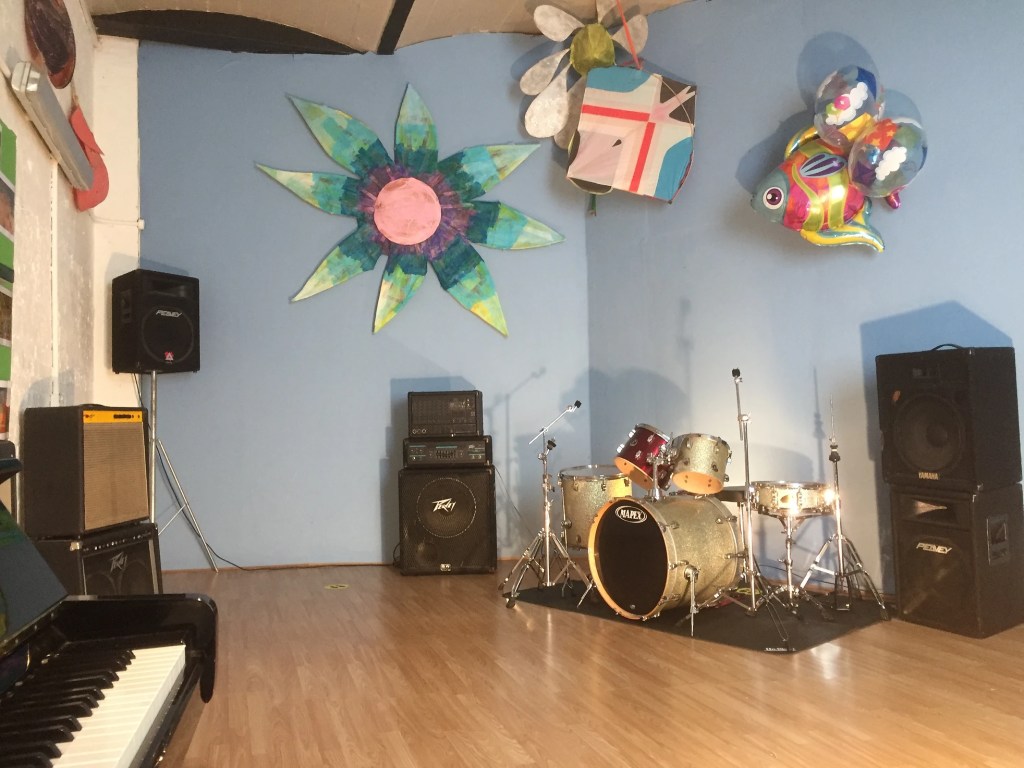
Photo from underthebridgemusic.org
—-
* Keeping GLOW Choir alive and thriving!
GLOW is Brighton’s Natural Voice, non-audition community choir for LGBTQIA+ people and Allies. I co-founded it in January 2015, and these days am running it solo. I pour a lot of love into GLOW and care about it very much.
I am a firm believer in the importance of queer community, and in the joy, the benefits and the sense of belonging and wellbeing that can be found in singing together in supportive company.
We’ve been singing some beautiful songs, new and old, and also enjoying our new-ish logos by Kate Benjamin, below. All voices are welcome at GLOW, to find out more see: https://getbrightonsinging.com/glow-choir/

—-
* Co-holding Brighton’s Companion Voices group, practising for bringing the comfort of singing to people nearing the end of life, and also putting this into practice when we are called to sing at the bedside.
We have had the honour of singing at a bedside in recent times which has been beyond words to describe. My appreciation for being part of this group as well as a co-leader of it, grows and grows over time. It is teaching me spiritual lessons I hadn’t expected to fall into my lap in such a beautiful way, and I am so grateful for it.
Companion Voices is not a drop in choir but rather a group of people who have made a commitment to an act of service, to attending practices and to upholding a standard of singing and of energetic presence that will be nourishing to people when we attend their bedside to sing.
The practice sessions also serve to nourish and uplift the Companions, and we meet once a month for these.
Find out more about Companion Voices here: https://companionvoices.org/
Huge thanks to the incredible and inspiring Judith Silver who set up and is holding this amazing network of groups.
—-
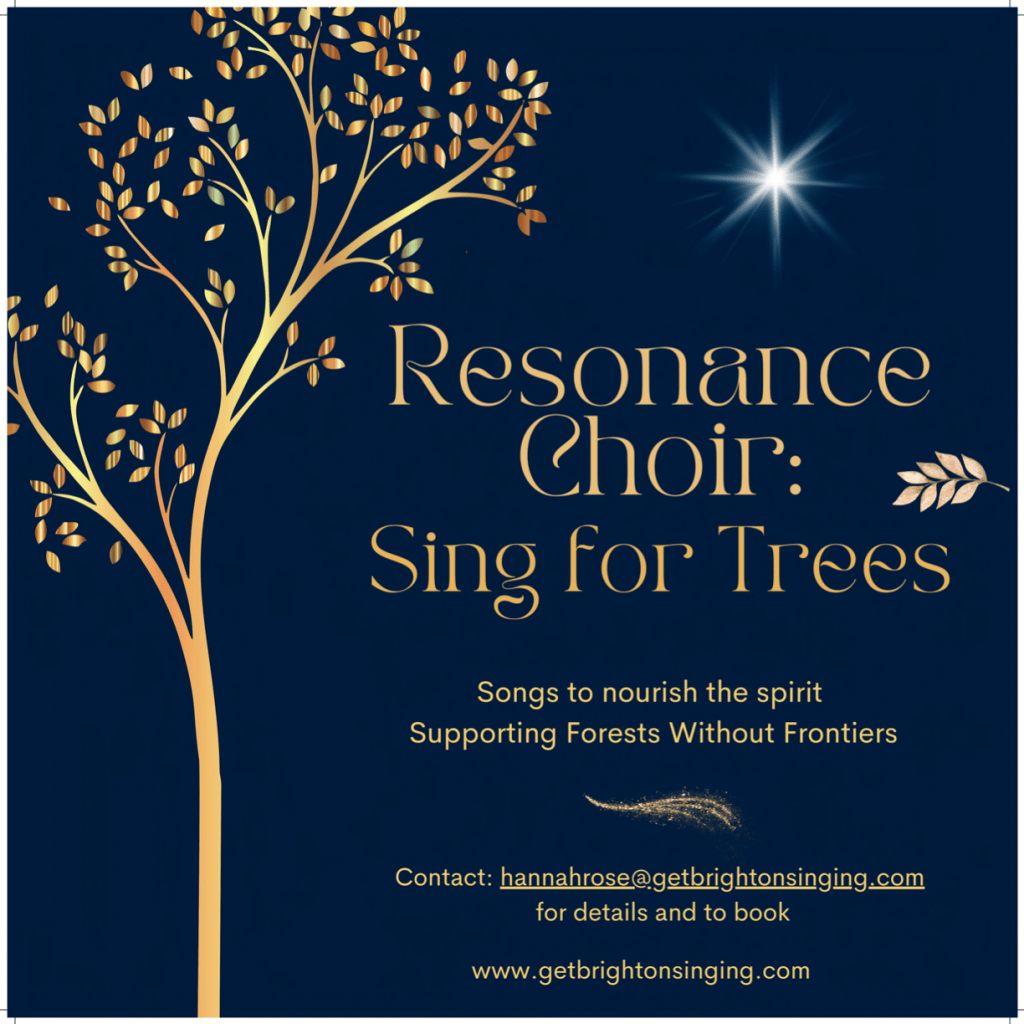
* Making sacred feeling “sonic forests” with Resonance Choir: Sing For Trees!
Bringing spiritually nourishing songs to life by candlelight and ‘starlight,’ and supporting the health of our planet by raising funds for Forests Without Frontiers.
This is a new-ish group I started with support and vision from artist, Moyra Scott.
We’ve been meeting once a month in the evenings in a beautiful space in Cornerstone Community Centre, and bringing beautiful harmonies to life, making sonic soundbaths together and meeting our voices in Resonance.
Find out more here, all voices are welcome: https://getbrightonsinging.com/resonance-choir-sing-for-trees/
—-
* Working towards a flute diploma, to better serve any flute students who might come my way, and for the joy of improving my skills and rekindling / rediscovering my passion for this instrument.
I already have grade 8 and lots of experience and passion with the flute, but doing this is helping me get focused and reacquainted in a way I might not otherwise find time for.

—-
* Managing chronic health issues as best I can! Solidarity with all spoonies out there and people managing limitations of all kinds. The gif below is me in the mornings when I’m frazzled.

—-
* and….on a personal news note… Proposing to my partner! She said yes 🙂 eeeeeee!
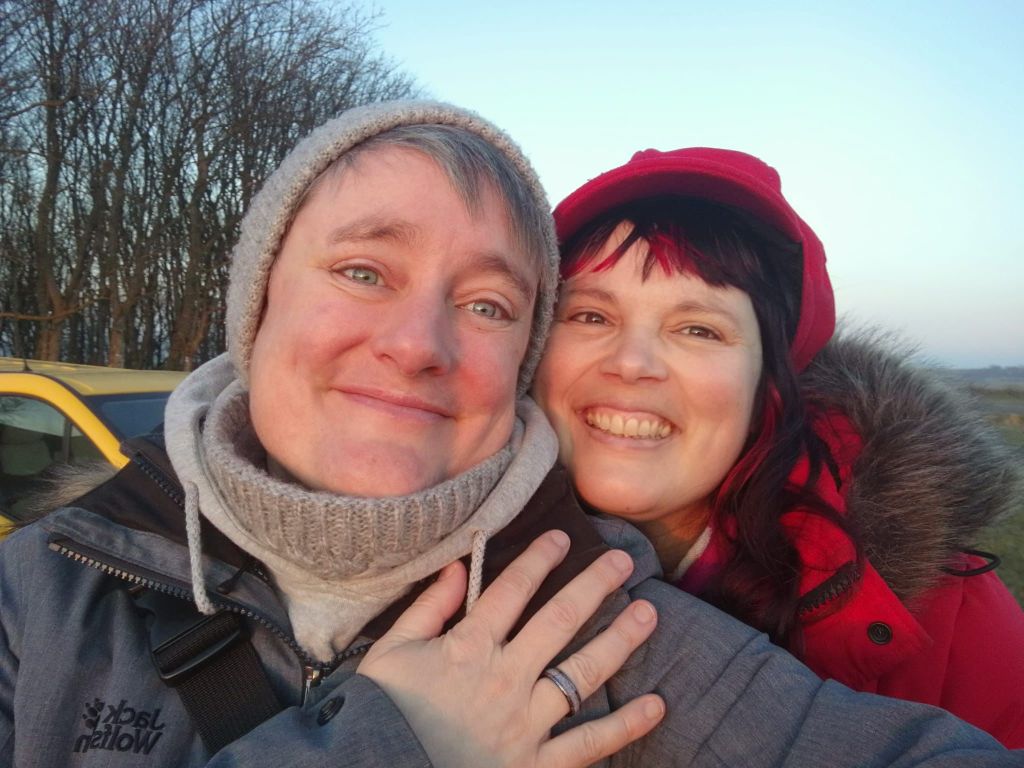
She said yes!
I’m so grateful to this incredible human, Chris Brown, for all her support, inspiration and love. She helps me be more of who I am. I wrote a song for her proposal and was so happy to give it to her after waiting a long time for the right moment! I love you Chris!
Thank you for reading my bulletin! There has been a lot going on and I’m looking forward to a quieter week at some point to process all these exciting things afoot.
I hope this blog post will be a happy memento of an exciting time and also let people know about some awesome things going on – who knows, maybe you will go and see Sabotage Theatre, or join one of the music groups mentioned, or come to me for singing or music lessons as a result…
Or maybe just take the reminder from the beginning, to take a break. Either way – all good!
…
The After The Rain show made me think a lot about how much I love the smell of the Petrichor.
I love the rain almost as as I love Chris, and in one of my earlier love songs for Chris, I made up a new word about this, which is where the word in the title of this blog post comes from, ‘Petrichorus.’
“Your sacred breath again, again, the petrichor of the chorus of your cells.
Your sacred breath again, petrichorus of your cells!”
…
May the music be with you. Thanks for reading!
Hannah-Rose
GLOW Choir is BACK!
Brighton’s Non-Audition, Natural Voice Community Choir for LGBTQIA+ people and Allies.
This coming Saturday 11th Feb in Brighton/Hove.
Contact hannahrose@getbrightonsinging.com to book, pre-booking is required.
We’ll sing an uplifting mix of new songs and GLOW choir favourites, taught accessibly to include newcomers.
Planned songs this week include LGBTQIA+ celebratory songs:
Love Is Love by Emily Roblyn
and Be Who You Are by Hannah-Rose Tristram
Plus the vibrant, Joy and Harmony by Faith Watson
And a gentler song, Nickomo’s Deep Peace.
All this in the supportive company of LGBTQIA+ folks and Allies, in the beautiful St Luke’s Church (make sure you come to the right one – pre booking essential to get all the correct information and for other reasons too), plus hot drinks and a tea break.
Newcomers welcome.
GLOW is a warm and welcoming, queer+ community choir that welcomes everybody under the LGBTQIA+ umbrella, no matter their identity or experience or the words they use or don’t use to describe themselves.
All voices are welcome, and all levels of singing ability are encouraged and included.
Contact hannahrose@getbrightonsinging.com to book
Event link for this Saturday (pre booking still has to be by email hannahrose@getbrightonsinging.com):
GLOW Choir website: https://getbrightonsinging.com/glow-choir/
Testimonials / poems from a new GLOW choir member who joined last term:
The poem below was written by GLOW choir member Pauline Sewards,
and performed by the author at the GLOW choir Sharing December 2022.
Contact: hannahrose@getbrightonsinging.com
GLOW website: https://getbrightonsinging.com/glow-choir/
GLOW facebook page: https://www.facebook.com/GLOWchoirBrighton/
GLOW RedBubble Shop: http://glowchoir.redbubble.com/
‘Welcoming trans and non binary people to your choir / singing group,’ is a new training product, co-created by Hannah-Rose Tristram and Chris Brown.

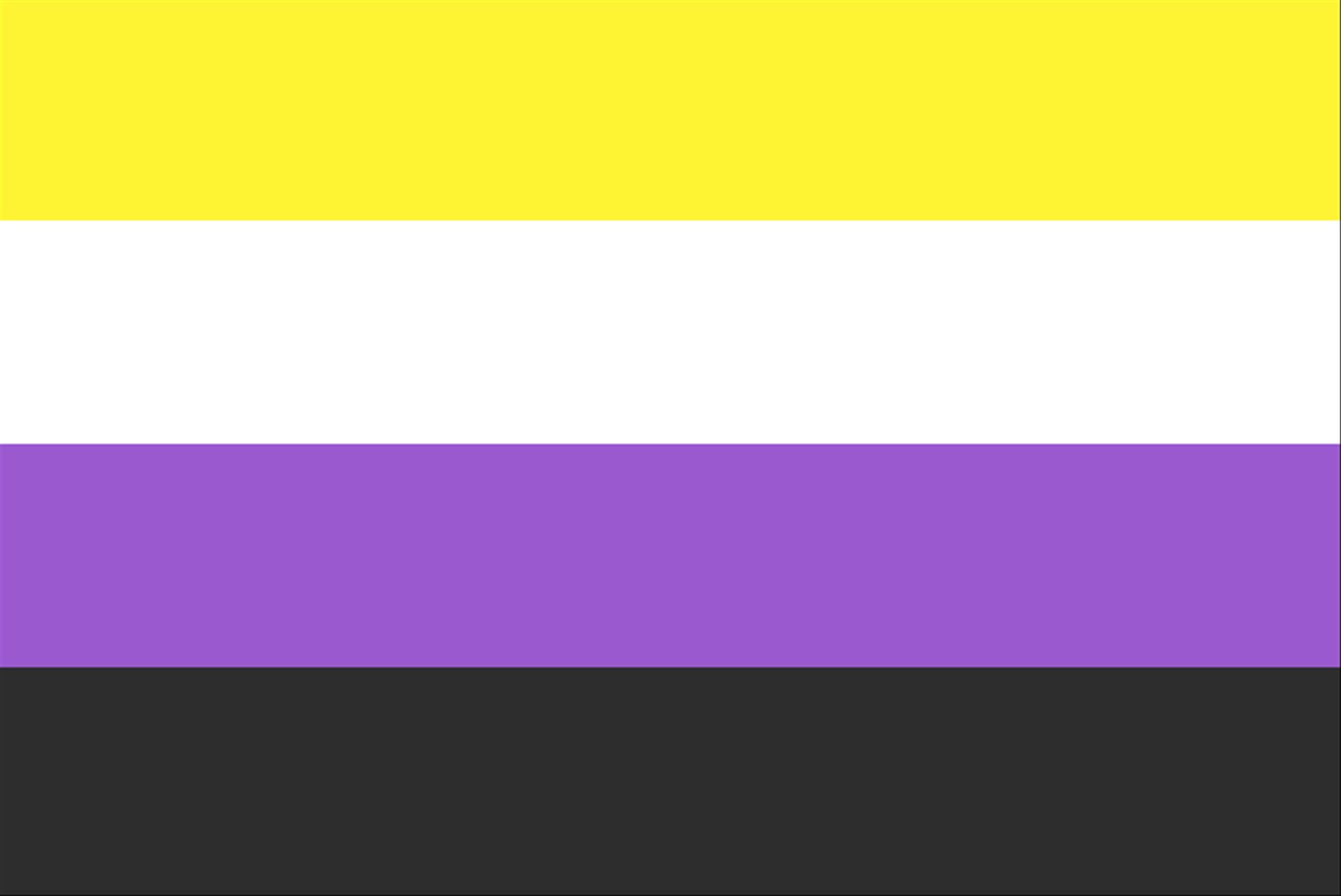
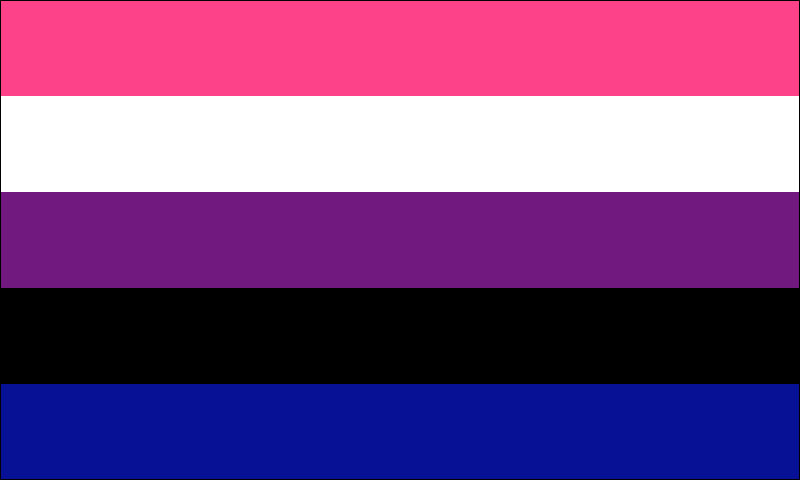

Trans pride flag, non binary pride flag, genderfluid pride flag, agender pride flag
This training was launched and delivered for the first time on February 4th 2023, to a group of Natural Voice Practitioners and other choir leaders / singing group organisers.
This event was created with the support of the Natural Voice Network, to help launch the NVN Statement on Gender Inclusion and Awareness, and to help bring education and practical inclusion training and awareness to NVN membership.
Chris Brown is an LGBTQIA+ inclusion trainer, with a professional background in mental health awareness, suicide prevention, and equality, diversity and inclusion.
Hannah-Rose Tristram is the choral director and organiser of LGBTQIA+ community choir, GLOW Choir Brighton. She believes passionately in choirs that welcome and encourage all voices, and in the power of an LGBTQIA+ community space where everyone under the umbrella is welcome and celebrated, no matter their identity or experience or what words they use or don’t use to describe themselves. You can find out more about her background on getbrightonsinging.com
The training, ‘welcoming trans and non binary people to your choir’ covers a wide range of relevant topics in detail, is interactive, and even includes a little bit of singing.
Trans and non binary inclusion in choirs is a subject area that Hannah-Rose and Chris are both passionate about.
If you would to discuss booking this training for your choir or organisation, contact hannahrose@getbrightonsinging.com
What People Said! Feb ’23:
Please note the feedback form is still open until 11th Feb ’23
so stats may change and futher quotes may be added as responses come in.
*
* 100% of attendees would recommend this training to other choir leaders
* 100% of attendees learnt something about trans and non binary identities and experiences
* 100% of attendees felt the trainers created a welcoming and inclusive environment
*
* 85.7% of attendees felt they came away with clear actions they can take to improve inclusion for trans and non binary people at their choirs; the remaining 14.3% felt they came away with lots to think about
“Hannah-Rose and Chris were great, made everyone feel comfortable and provided us with much food for thought and some affirmation that we are getting some things right :-)”
*
Things People Liked About It:
The safe space that was created at the beginning, and the trainers themselves!
Friendly relaxed and non confrontational
Well planned, well presented. Excellent content
The welcoming and learning-focussed environment
Kindness and empathy but there was a strong urgency to make change expressed
*
“I liked… the very informed content and the sensitivity and kindness of the facilitators.”
Trish. Music4Wellbeing
*
“I liked… how the trainers (and nvn trustees) created and modelled a profoundly welcoming atmosphere. It really was a space where respectful exploration and questioning was welcomed.”
Margaret (she / her; hi)
*
Hannah-Rose and Chris would like to thank the Natural Voice Network for their support in getting this training up and running.
Hannah-Rose would in particular like to thank the GLOW Choir community members for teaching her over time about how to do better by trans, non binary and other gender diverse people in the community, which has informed Hannah-Rose’s learning and practice at GLOW and elsewhere, and has also informed this training.
Hannah-Rose is also very grateful for the support and inspiration of her co-trainer, Chris Brown.
Resonance Choir: Sing For Trees!
Happening tomorrow, Tuesday 7th Feb! 8.20-9.20pm in Hove.
CONTACT hannahrose@getbrightonsinging.com TO BOOK, pre-booking essential.
This month we will be enjoying some songs honouring / relating to earth-based spiritualities or connection to nature, with a song about the seasonal shift from Winter to Spring, and a song about listening to the music of the earth. I hope you will enjoy these!
You don’t have to follow any particular spiritual path to enjoy the content of these songs – if you like nature and the seasons, they will be accessible to you. Also, if you don’t connect with those themes, but you do like harmonies and singing together – you should still be set to have a good time 🙂
Facebook event for tomorrow: https://fb.me/e/2tAOjWYJt
Website Landing Page: https://getbrightonsinging.com/resonance-choir-sing-for-trees/
Facebook Page: https://www.facebook.com/ResonanceChoirSingForTrees/
CONTACT hannahrose@getbrightonsinging.com TO BOOK, pre-booking essential.
I look forward very much to singing with you!
I’m thrilled to announce that GLOW Choir Brighton has a brand new logo – a GLOW-go! Go GLOW!
I’ve been working with graphic designer Kate Benjamin to create something that will capture the essence of what GLOW Choir Brighton is all about, and help communicate that to the world.
Something that will make people happy when they see it. Something full of colour and meaning, that will make positive ripples, like GLOW choir does.
So, it gives me great pleasure to introduce the the world, the new logo for GLOW choir Brighton!
You will soon start to see various versions of something like the below, appearing in places to do with all things GLOW:

To find out more about graphic designer Kate Benjamin, who has been a total joy to work with, visit https://katebenjamin.com/
GLOW Choir is Brighton’s Non-Audition, Natural Voice Community Choir for LGBTQIA+ Folks & Allies!
All voices are welcome at GLOW choir, to join in the harmonious singing and supportive community fun.
GLOW choir has been a welcoming community space for LGBTQIA+ folks and Allies to enjoy the good vibrations of singing together, since it began in January 2015.
GLOW kept going throughout the pandemic, meeting on zoom and in local parks, and is now back in full GLOWing glory in the beautiful acoustics of St Luke’s Church, Old Shoreham Road.
To find out more, contact hannahrose@getbrightonsinging.com
“GLOW choir is a supportive queer community, a place for everyone to find their voice and use it.”
I think these beautiful logos represent and communicate what GLOW choir is all about.
These logos will soon start to pop up in all the GLOW places, eg fliers, website, socials, even merchandise. Watch this space!
And a huge thank you again to Kate Benjamin for working with me so thoughtfully, creatively and skilfully to make something so totally perfect for GLOW.
Enjoy!

Totally magical GLOW Choir session this afternoon. I’m still humming and vibrant with sonic, community joy and indescribable good things made of harmony and human and more.
There is such immense power, beauty and joy, and meaning, and expansiveness, in singing together in harmony and community, and especially with this wonderful community of LGBTQIA+ Folks and Allies.
So powerful to be both part of something bigger than oneself, which choir-ing facilitates, and also more fully expressed as one’s self, which using your voice and being in warm and welcoming queer+ community, can bring about.
So grateful for and proud of this wonderful thing.
And for all my planning, practising, preparation, advertising, thinking through, communications and other things – once we show up in the space, there is always a reward greater and more unique than i could ever have planned or predicted – the perfectly unique combination of any day’s voices in harmony.
Heart bursting with pride and gratitude. Huge thank you everyone who is part of the GLOW Choir community, today, recently, in the broader timeline of GLOW – or even about to join us next time (newcomers are welcome, contact me for deets).
Thanks everyone.
https://getbrightonsinging.com/glow-choir/
A huge thank you and congratulations to everyone who has sung with GLOW Choir this term, and kept this beautiful community choir space for LGBQTIA+ Folks and Allies, glowing, growing and making beautiful music together.
This term GLOW choir has donated a total of £72 to Black LGBTQIA+ Therapy Fund through our Anti Racism and Cultural Honouring remunerations commitment, and $7 to a reproductive rights fund on 27th June. Find out more about Black LGBTQIA+ Therapy Fund and see our donations, here: https://gofund.me/1a98221d
All this, and lots of magical, happy, relaxed, queer, hearty, beautiful singing times! Go GLOW.
Newcomers are welcome to join GLOW choir next term, and all voices are welcome without judgement or exceptions.
Next term, which starts in September, GLOW Choir will be meeting every 2nd and 4th Saturday afternoon at St Luke’s Church, Old Shoreham Road, BN1 5DD.
If you’d like to join GLOW choir and/or find out more, please contact hannahrose@getbrightonsinging.com
Read a recent article about GLOW Choir here: https://getbrightonsinging.com/2022/06/28/glow-brightons-community-choir-for-lgbtqia-folks-and-allies/
If you have social media, sharing this article would be super helpful, if you feel to do that. Thank you if so.
I look forward to singing with you in September!
Love and song,
Hannah-Rose Tristram (she/her)
Okay, it’s happening! I’m now teaching in-person singing lessons again, in a beautiful, colourful, community venue in Brighton town centre! Wohooo!
If you would like to have some focused support, encouragement and coaching to help you explore, develop and gain confidence with your voice, drop me a message or email and come and be one of my first students at the new studio!
Check out my practical information on my homepage here: https://getbrightonsinging.com/
Likewise, I’m also a flute and accordion player and can give beginner lessons in these, if of interest.
Do let me know if you’d like to have some supportive time focused on you, and music, and/or the wonders of the human voice.
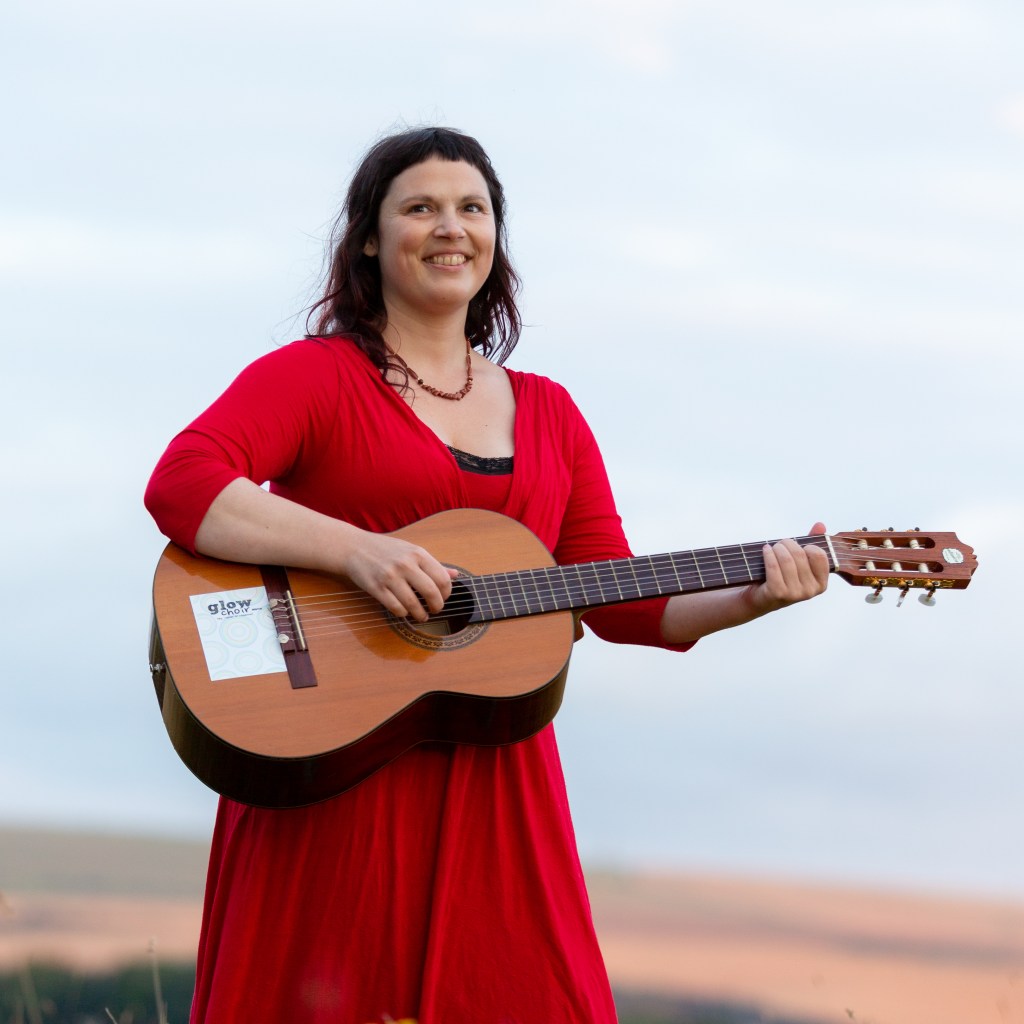
GLOW Choir is Brighton’s Non-Audition, Natural Voice Community Choir for LGBTQIA+ Folks & Allies! All voices are welcome to join in the harmonious singing and supportive community fun.
GLOW has been a welcoming space for LGBTQIA+ folks and Allies to enjoy the good vibrations of community singing, since it began in 2015. GLOW kept going throughout the pandemic, meeting on zoom and in local parks, and is now back in full GLOWing glory in the beautiful acoustics of St Luke’s Church, Old Shoreham Road.
“GLOW choir is a supportive queer community, a place for everyone to find their voice and use it.” GLOW choir member
At GLOW you can express yourself, make friends and have fun. Explore and develop your voice and learn about music in an encouraging environment. Sing songs of pride, protest, depth, empowerment, joy, peace and more – songs from around the globe in many moods and genres.
GLOW is led and run by Hannah-Rose Tristram, a Natural Voice Practitioner, choir leader, singing teacher, voiceover artist, yoga teacher and musician, whose musical interests, studies and passions are wide ranging.
Songs are taught with clarity, patience and joy, and always with respect to their origins and/or composers. GLOW has an Anti Racism and Cultural Honouring policy and remunerations commitment in place. Songs are taught by ear at GLOW, so you don’t need to be able to read music-scores to join in.
“The harmonies were glorious, such positive energy – so good for the soul” GLOW choir member
GLOW aims to be a safe community space for everyone under the LGBTQIA+ umbrella, however they identify, and whether or not they have or want words to describe their identity and experiences. GLOW’s inclusion practices are informed by feedback from GLOW choir members, and are always growing, changing and improving.
Hannah-Rose co-wrote the Natural Voice Network’s “Gender Inclusion and Awareness in Choirs” document, aiming to help choirs be more inclusive to people of all genders. She also co-founded Bi+ Pride UK which has gone on to be an award winning charity. Hannah-Rose’s passion for inclusion can be felt at GLOW.
“GLOW has made me feel more confident with my own voice and taking up space in the world – it feels like a safe space where I’m welcomed and that has had far reaching outcomes in the rest of my life.” GLOW choir member
GLOW meets on selected Saturdays. Newcomers are welcome!
To join, visit the GLOW website: https://getbrightonsinging.com/glow-choir/
For any Qs not answered by the website, contact hannahrose@getbrightonsinging.com


Resonance: Sing For Trees!
Songs to nourish the Spirit, supporting Forests Without Frontiers.
Save the date – September 20th evening at Cornerstone Community Centre.
This is an offering I’m making with the help of artist and visionary, Moyra Scott
More Info Coming Soon!
Singing Lessons & Voice Coaching
The attached recording is the Taize hymn: O Lord hear my prayer, with music by the French composer of liturgical music, Jacques Berthier (1923 – 1994). Lyrics from Psalm 102.
Recorded and adapted/arranged in this video by Hannah-Rose Tristram.
https://www.wevideo.com/view/2744507616
This is a new song I wrote and recorded this morning.
It arose out of a moment of stillness and I hope it will invite a nourishing quality of presence for you.
I also made this video using beautiful stock images and fun transitions, which I hope you’ll also enjoy.
Head over to getbrightonsinging.com/shop to purchase sound files and/or song materials (which will be uploaded in the next few days when I’ve finished making them).
May movement and stillness be with you all in nourishing ways, and may there be moments of beauty for you today xxx
Taught my last class at Yoga For ME today.
It was, as always, an honour to hold the space, teach and practice alongside the lovely attendees.
This Yoga For ME class has been a wonderful project to be a part of over the last three years and I’ve learnt a lot.
Saying adieu, with great gratitude for all it has been.
I’m taking a little break now from teaching yoga, to reflect, recoup and explore other things, but I expect it won’t be too long before I’m offering some sort of yoga related thing again, so if you’d like to be kept posted about those then just let me know.
We finished off my three years of teaching here, with a Mary Oliver poem, and some beautiful shared practice time as ever.
Mega grateful to everyone who has contributed to this class in any way – including showing up 
Thank you.
Dear friends, time is running out!
THIS TUESDAY (at 11 pm I believe) is the deadline for doing your bit to STOP the pointless destruction of villages, communities, wildlife, habitats, the peace of an ancient community church, the health of the lungs of primary school children, the tranquility of the countryside, the homes of rare species and the homes of some humans!
PLEASE, take just TWO MINUTES to send an email saying you object to the The Arundel Bypass Grey Route Option.
Please email A27ArundelBypass@highwaysengland.co.uk saying you object to the Arundel Bypass Grey Route Proposal.
If possible, please also include your full name and postcode, and put A27 Arundel Bypass Objection as the email title, but don’t worry if you can’t do this or prefer to be anonymous.
Please give a reason you object. This could be one of many as it is such a terrible plan! I’ve put some examples below but feel free to say whatever comes to mind. It’s fine if it’s only a sentence or two – whatever you’re happy to say.
This will only take 2 minutes but it can make a HUGE DIFFERENCE. If there isn’t a clear majority of objections against the grey route, Highways England may push ahead regardless of public disapproval and grief.
We need to make it REALLY CLEAR that the public will not tolerate this.
The deadline is TUESDAY NIGHT!!!
Please help!
Thanks so much,
Hannah-Rose
IDEAS FOR REASONS TO OBJECT:
For example:
* Going against Climate Change goals by destroying greenery, creating CO2 and other pollution in the process of building the bypass, and then bringing more cars onto roads. It is proven that building more roads just puts more cars on roads.
The planet needs LESS cars on the road, NO more roads being built, and MORE protection of our green spaces, our forests and fields, our gardens and hedgerows… Feel free to put you own spin on this!
* Destroying communities. Four villages will be torn apart by this plan, including devastating effects on a local community church, and a local primary school. People will be forced out of their homes, as will animals and endangered species, and communities will be divided.
* Wasting tax payers money by destroying our planet.
* If this road is allowed to go ahead, it may well pave the way for Highways England (aka National Highways) to continue destroying places of natural beauty until we have none left.
* Peace and tranquility – everyone needs time in nature. Binsted, and other places affected by the Grey Route proposal, are places of stunning natural beauty that people love to visit for mental & physical health, spiritual connection and getting away from the noise and pollution of more built up areas. Highways England’s plan will bring noise and pollution to these beautiful nature spots.
* Anything else you would like to say about why our natural beauty, our wildlife, our green spaces, our land, our communities, our neighbours, our churches and our schools, our collective health, should not be compromised by proposals such as these. Anything else you would like to say about why you object.
Thank you so much if you can help. You can really make a difference in this!
Had a lovely time teaching at the Yoga for ME class today.
I will be leaving my post at this class at the end of April, but it has been a wonderful thing to be a part of for these years I have been a part of it, both at Cornerstone Community Centre and Online since Covid.
I’m really grateful for this class experience. It’s been great to give back to the chronic illness community that I’m a part of.
Teaching this class has also helped me get to know who I now am as a yoga teacher, since getting ME in 2016, and since becoming a little bit older and wiser, in relation to yoga practice and teaching.
I’m leaving the post for reasons to do with how much energy and time I have for things, and where i most want and need to put my energy and time.
Thank you everyone who has practiced with me at this class. It will still be running, definitely at Cornerstone and hopefully also online, when i leave – there is now a team of teachers involved with this class so you’ll be in good hands with this lot!
I’ll still run my own occasional yoga workshops/sessions after a break, which I’ll post about on here if/when they happen too.
I also have a mini email list for yoga offerings so just drop me a line if you’d like to join me for a yoga offering some time. ❤
Love to all x
Fancy joining GLOW choir for a cosy musical Zoom this coming Saturday? Newcomers are welcome to join us.
This session will offer you the chance to (Opting In and Out of activities as your prefer):
* Get to know your fellow GLOW Choir folks a bit more
* Be in a safe space where you can show up just as you are, amongst LGBTQIA+ folk & Allies, and enjoy connecting through song and music
* Warm up your voice and have fun singing a simple upbeat song:
“Why Not Go Forward Singing!” (It makes The Going easier!) by Rowena Whitehead
* Walk a musical mile in each others shoes and sing for compassion for those in refugee situations, with Rebecca Spalding’s song “Walk A Mile in My Shoes”
* Get your teeth into learning and/or refreshing a more complex original song (all by ear, no need to read scores) that reflects on love and mortality, “Going Home To Love.” Love is here, love is now, love is you, love is me, love is everything we do…
* Celebrate the gift of being, with Rabbi Heschel’s sweet and simple song, “Just To Be (is a blessing).”
* Have a fun mini disco (and/or be a part time DJ!) – which is, like everything, totally optional.
* Go to choir from the comfort of your own home, and without the money/energy cost of travel.
* Get to know or refresh GLOW songs ready for the next time you might sing them in person.
* Enjoy hearing others’ voices and sharing your own voice (if you want to), in unique and creative ways via Zoom.
There will be a break halfway through the session, and you will be encouraged to move around / stand / sit / lie down / take breaks / do what you need to do, to be comfortable during the session and to have a good time.
Please do let me know if you’d like to book a place on this session! It would be super to see you there. Contact breathbodymusic@gmail.com to get involved
With thanks, Love and song,
Hannah-Rose xo
PS Zoom not your bag? No worries – we’ll be back at St Luke’s on 5th March! Just contact breathbodymusic@gmail.com to book your place, or to sign up for a half price volunteer place at one of the St Luke’s sessions.

Hello dear ones.
I expect you have heard about the proposed end to free testing – which will have a negative impact on vulnerable people, self employed people, businesses, those who are not vulnerable but want to protect others… the list goes on!
This will obviously be a bad thing for everyone who wants to attend choirs and singing groups too.
Please could you consider signing and sharing these three petitions to keep access to free testing whilst Covid-19 is still such a threat?
Thanks so much! Hannah-Rose
https://petition.parliament.uk/petitions/593320
https://act.38degrees.org.uk/act/free-lat-flow-petition
https://www.leukaemiacare.org.uk/our-campaigns/access-to-free-lateral-flow-tests/
Local voices against the shockingly destructive ‘grey’ route and how you can have your say. PLEASE HELP save our communities by responding to National Highways’ statutory consultation before March 8th 2022.
The best way to respond to National Highways is by email A27ArundelBypass@highwaysengland.co.uk
Tell them your views, tell them that you reject Grey Route, tell them why it’s the wrong solution in a climate emergency. Every response will make a difference.
Anyone can respond to this consultation, more than once, raising any issues.
You can also comment in the National Highways online survey or on a paper form. Details at https://nationalhighways.co.uk/our-work/south-east/a27-arundel-bypass/
Proposed grey route is an 8km stretch of 70mph dual carriageway.
It severely damages Binsted, Walberton, Tortington and Fontwell villages, the South Downs National Park setting and access.
It passes very close to Walberton and Binsted Primary School, Binsted Church and Tortington Church.
Additional information: since filming these interviews, National Highways has adjusted the alignment of Grey Route so that is 100m from Binsted church 10m as previously intended. This will still completely ruin Binsted Valley and the church setting. New information states that Grey Route will route an additional 1300 cars per day through Walberton Village, putting 300 primary school children in extreme danger. Videography by Sasha Neal.
PLEASE watch this video, please share this video, and most importantly of all, please send a quick email to say you object to this destructive road plan, and if you have time send a similar message via the consultation too.
Please do so and share with everyone you know, as often as possible between now and March 8th. You can help save these villages, countryside, habitats and communities from the destruction and greed of Highways England!
Thanks so much for helping protect our planet.
There are a couple of new things on my recommendations page that I’m really loving and want to tell you all about. Go here on my recommendations page to check them out, or have a look below.
Astrol Light: This small projector is truly magical. It projects a moon and star-scape across your ceiling / wall, making instant, spacious, relaxing atmosphere and ambience. It has an LED setting that makes it look like the Northern Lights are happening in your home!
I got one of these on sale as a gift for my partner, and she LOVES it. We have it on to make relaxing magical vibes almost every evening now. It’s good for a bit of extra twinkle and sparkle when you most need it.
Revive A Bee! Revive a Bee help promote knowledge and understanding of how to support bees, why they matter for the survival of our whole planet, and how to support them. They make Bee ‘Thirst Aid Kits’ that you can give people as gifts to help them be prepared to revive bees on the go, and they use seed paper packaging that can be transformed into wild flowers. Amazing! Some of their profits go to Rewilding Britain: another great cause.
I hope you will enjoy perusing these sites and will learn something about bees or stars as you go.
I wonder if bees and stars could be linked poetically… here’s my attempt:
*
a swarm of stars hums
galaxy spins nectar songs
turned by tiny wings
*
Prompted by the Natural Voice Network’s Anti Racism & Cultural Honouring team (the ARCHers), I have written an Anti Racism & Cultural Honouring commitment for GLOW choir Brighton.
You can read the commitment document that I have written, here: https://getbrightonsinging.com/anti-racism-cultural-honouring-at-glow/
This is one of many steps towards doing better in this area, for me, for GLOW Choir, and for the Natural Voice Network as a whole. This commitment will be reviewed and worked on, in an ongoing manner.

I hope you will find GLOW Choir’s commitment document a useful springboard for inspiration and food for thought. If you have any feedback about how to improve it, or want to discuss any of the issues raised within it, feel free to contact me on hannahrose@naturalvoice.net.
Love and song,
Hannah-Rose
This is a song I wrote around 2018, inspired by the altered states that insomnia can sometimes bring about.
I re-recorded this song today, with a much improved home-recording set up I’ve been working on for months to support my Voice Acting work, and have made a video with this higher quality audio and some evocative photos I took on New Years Eve at Wakehurst Illuminated (GLOW Wild!). I hope you enjoy it. Please do share it if you do.
I hope you will enjoy relaxing and listening to this song – and perhaps even singing along!
The higher quality sound file for this song is available for purchase at my webshop, and soon there will also be song materials, score, teaching permissions and tips etc available to purchase too.
Keep singing and thank you for your time listening to my song(s) and reading my blog!
Kind wishes, Hannah-Rose Tristram
https://nationalhighways.co.uk/our-work/south-east/a27-arundel-bypass/
Please, please, PLEASE respond to this consultation, asking Highways England to scrap their proposed plan-of-destruction, and to build NO NEW ROADS.
The beautiful villages and countryside where I grew up, Binsted and Walberton, stand to be DESTROYED, along with other villages, wildlife, countryside, habitats, the peace of an ancient Community Church which is still in use, and the beautiful ancient woodland I grew up playing in.
Highways England want to take the most expensive, most destructive option, because it will make them more money (as far as i can tell). This is totally shameful. It will not reduce traffic – it will just put more cars on the road and destroy trees and greenery: when we need trees and greenery most.
It will negatively impact climate change goals and intentions, irreversibly destroy wildlife habitats, countryside and communities, and is an unbearably awful thing to still be having to fight off. They have been trying to destroy this beautiful place and build here for as long as I have been alive: and activists have managed to hold them off for 30 years: but they are now ploughing ahead, poised to destroy, and have even started digging up parts of beautiful Binsted, despite the public consultation not yet being over.
Please please please go to this consultation form, and express your strong objection. You don’t have to go into great detail if you don’t want to – just let them know that you want to save our countryside, villages, communities, creatures and planet. And that you don’t want them to destroy these things for the sake of more tarmac and pollution. Thank you!
A blast from the past: La Vie en Rose! I used to do Edith Piaf themed gig sets, in tribute to the incredible songs and performances and sounds that Edith Piaf brought to the world.
The video above was at a gig for Nottingham Anglo-French Society.
Video taken by a dear relative 🙂 I have very few videos of this period in my life and career so this is particularly appreciated. ❤️
Whilst reminiscing, here’s Piaf’s ‘Padam’, from the latter years of my time doing Piaf sets. I hope you enjoy it!
Keep singing folks.
Happy New Year everyone – may this year be a happy one for you, with things in it that bring you comfort and joy.
On that topic, GLOW Choir is starting again in February, and all voices are welcome! You can get a sense of the general GLOWing atmosphere at the poster below:
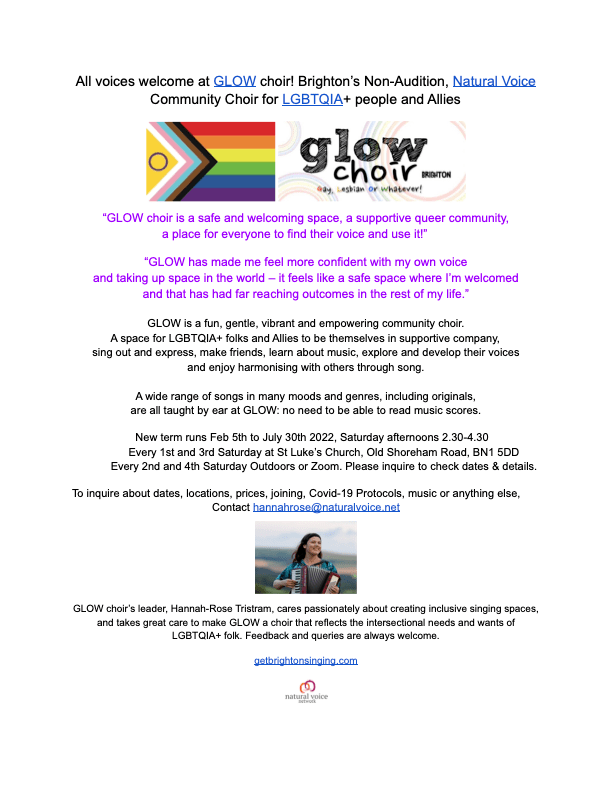
Want to find out more? You can read all the details at the PDF attached below:
Got questions? Want to sing with us? Drop me an email at hannahrose@naturalvoice.net
I’d love to hear from you, and to sing with you!
Kind wishes and may song and music be with you,
Hannah-Rose
Happy New Year wishes to you all! I hope you are having a good-feeling week, day, hour, minute, moment, and that this year there will be many moments that feel good to you.
There are lots of new things afoot here, admidst adjusting to the constant flux of the pandemic, and I’m excited to tell you a wee bit about my hopes, dreams, journeyings, experiences and offerings as another year gets underway.
As ever, I hope, this year, to sing! And most particularly, to sing with others, in resounding unison and in colourful harmony. To move the air with other humans and to revel in the many layers of magic this simple (or complex, depending how you look at it) act can create. To engage with the rhythms and shapes and emotions of a song, to breathe more deeply, to expand the moment and express humanity, together with others. This magical, earthed and uplifting act of singing together, can catalyse so much good: I could write books about it! And I am so grateful for the ways in which it is still possible in these times.
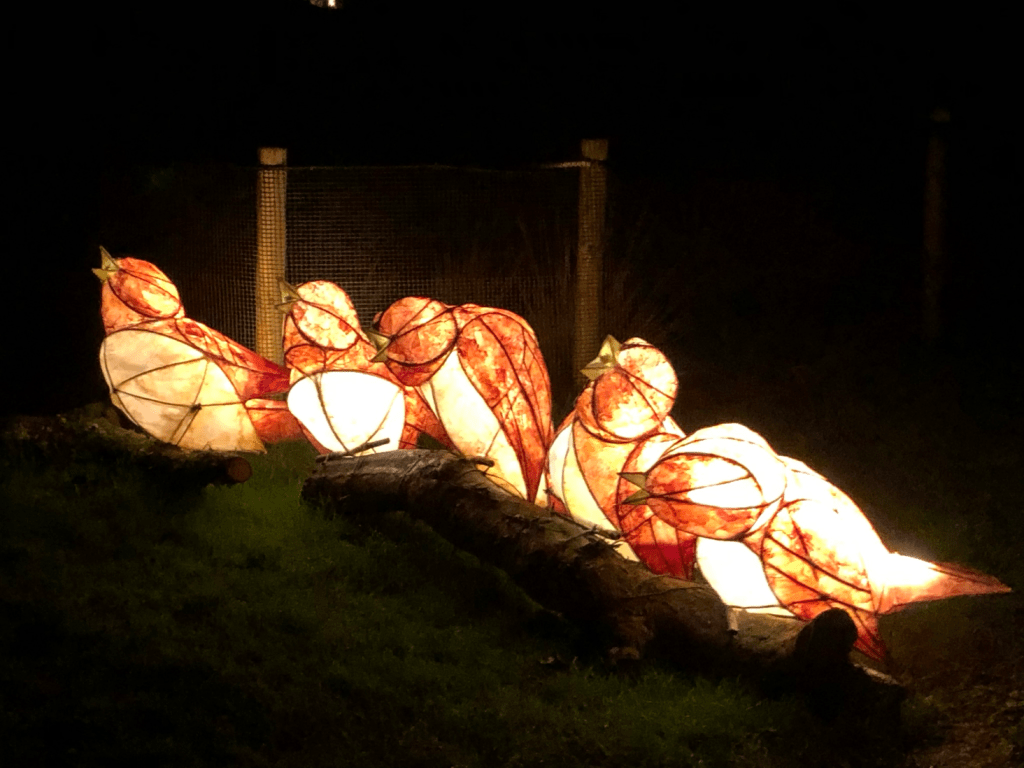
GLOW Choir, Brighton’s Non-Audition Natural Voice Community Choir for LGBTQIA+ folks and Allies, has kept on singing and sharing in queer community throughout the pandemic, via zoom and a few outdoor singing sessions. I am excited for the new term’s plans for GLOW: we intend to meet and sing at St Luke’s Church, Old Shoreham Road, every other Saturday from February to July, with mitigations in place, and to meet outdoors or on zoom on the weeks that we’re not at St Luke’s. I’m crossing everything that this will still seem safe and sensible in February, and that the latest wave of Covid that the UK is experiencing will have dipped down by then. St Luke’s Church and its generous acoustic and welcoming atmosphere have been an important aspect of the GLOW choir experience for many choir members in pre-pandemic times.
I’m so proud of and grateful for the core GLOW choir membership who have kept the choir alive and singing, and for the meaningful space that these members have co-created within my holding of it. If any of you are reading this: thank you so much for your time, energy, presence, singing, sharing and generous GLOWing.
Many of the wider GLOW choir community members have not been able to sing with us since the pandemic came along (with all its seismic shifts in how humans do life), and I am hoping that from February some of those dearly missed folks, and newcomers who are seeking a community singing space like GLOW, will be able to join in and enjoy the benefits of singing and gathering in the good company of LGBTQIA+ folks and Allies.
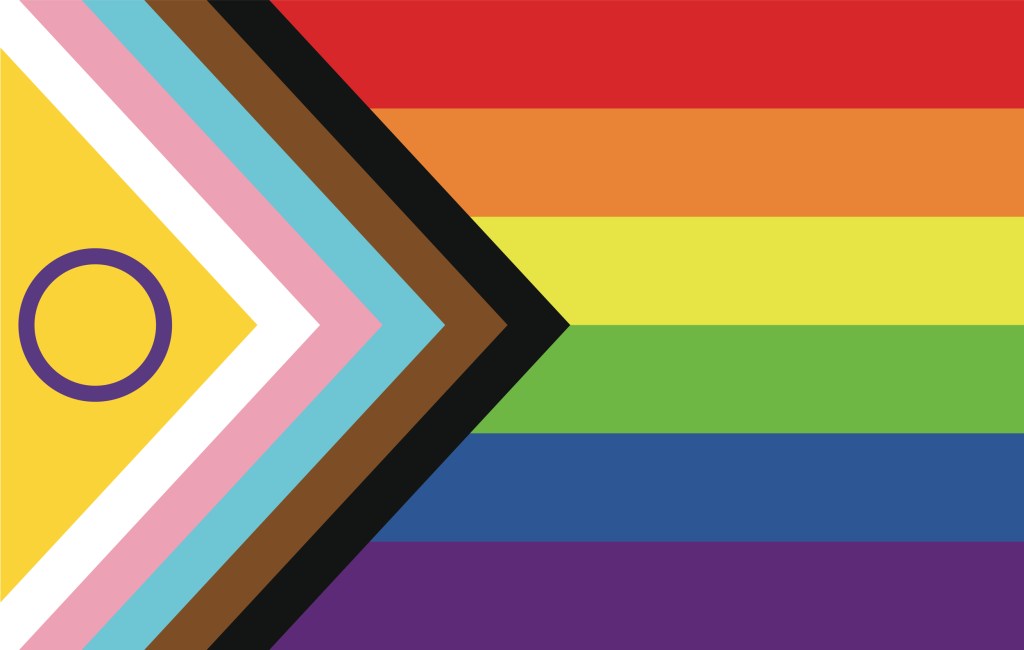
Over the course of the pandemic, I have written a number of a cappella harmony songs, many of which GLOW choir have only sung on zoom. I am looking forward very much to breathing new life into these songs, as well as other much beloved GLOW choir repertoire and fresh new tunes, at our in-person sessions from February onwards. You can hear snippets of some of these original songs at my webshop, as well as purchasing sound files for listening pleasure or teaching materials and permissions if you’d like to share any of these songs with your groups and/or communities.
All voices are welcome at GLOW choir, without judgement or exception. I take care to bring patient, encouraging, clear, accessible, fun and uplifting teaching to my choir sessions. I avoid teaching styles that would single people out negatively in front of others, discourage them or bring down their confidence. Instead I seek to empower and encourage people, and to offer them the joy of being themselves in a safe space to explore, develop and enjoy their unique, miraculous and ordinary voices alongside each other.
I have been happy to be able to keep up my one to one voice coaching practice via Zoom throughout the pandemic, and am currently open to new clients if you would like an hour long session of focused, encouraging coaching via zoom, as often as you need/want it. See my homepage to find out more. Zoom is actually a surprisingly effective medium for one to one coaching, with its particular benefits and limitations, and I do think it makes singing sessions more accessible in some ways. However, if Zoom is not for you, I’m open to discussing outdoor sessions, or Covid-19 appropriate venues, if this is important to you. If you have had one to one sessions with me at any time and you are reading this: thank you! I love this work and find it very rewarding to see people grow and thrive vocally.
Singing and giving voice has been a central aspect of who I am and how I live, throughout my existence, and I care passionately about creating inclusive, accessible vocal opportunities for all voices. You can find out more about my background here, including links to some organisations and people I work with, have trained with, or have been influenced by.
Singing groups have taken a real blow during the pandemic, and most choir leaders’ plans are still very much up-in-the-air as the waves of Covid-19 come and go. I am so grateful in recent weeks to have been able to sing Shape Note Songs with my parents, in the comfort of our family home, after a long time of only seeing my parents outside and not being sure if singing would be safe to do. I am particularly grateful for this in the wake of the sudden and tragic death of Larry Gordon, an incredible human who founded Village Harmony, inspired thousands to sing, and made ripples of music and aliveness that are still resonating throughout the world. Larry was a father-figure to a whole generation of teens, and an inspiration beyond that. He taught me to be more fully and unapologetically human and myself. He, and along with the other VH teachers, showed me a way of being, around which I have shaped my life.
Here is a poem by Rumi that Larry loved:
Where Everything Is Music
Don’t worry about saving these songs!
And if one of our instruments breaks,
it doesn’t matter.
We have fallen into the place
where everything is music.
The strumming and the flute notes
rise into the atmosphere,
and even if the whole world’s harp
should burn up, there will still be
hidden instruments playing.
So the candle flickers and goes out.
We have a piece of flint, and a spark.
This singing art is sea foam.
The graceful movements come from a pearl
somewhere on the ocean floor.
Poems reach up like spindrift and the edge
of driftwood along the beach, wanting!
They derive
from a slow and powerful root
that we can’t see.
Stop the words now.
Open the window in the center of your chest,
and let the spirits fly in and out.
by Rumi – translated by Coleman Barks and John Moyne
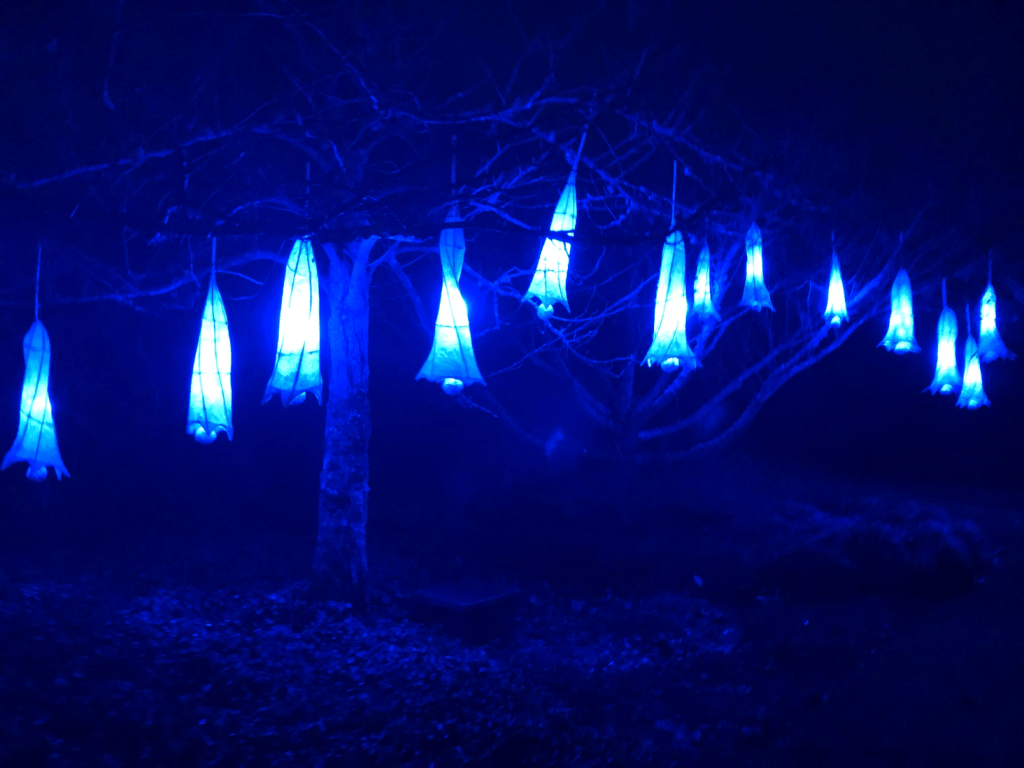
The scarcity of opportunities to sing with others during the pandemic, and the loss of Larry’s light in the world, has made me appreciate community singing all the more deeply, and renewed my commitment to bringing music, song and voice to the world in all the ways i can.
I have been very grateful in recent times to become part of the Companion Voices Brighton Group: which meets monthly to practice in preparation for offering song at people’s bedsides at end of life. It has been an honour to sing under cloudy skies around a fire pit (and one time at St Luke’s) with this group, and to come to a deeper understanding of its purpose. I have also recently taken on the role of music/song leader when Judith cannot be there, which has also been an honour. I have yet to sing at my first bedside, as Covid-19 makes this a rather risky endeavour. I look forward to the opportunity to offer love and service in this way, when the time is right. In the meantime I am deepening my understanding and awareness of death, and strengthening relationships with the group, and familiarity with appropriate repertoire. I am so grateful to be a part of this.
I have also been very lucky, for a number of years, to sing with Packpins Madrigal Group. Connecting with friendly, thoughtful people regularly, and enjoying these complex and beautiful songs, which connect to universal human emotions throughout the ages, and help me keep my sight-reading skills and vocal range in shape with regular challenges: it is a precious gift. Just before Covid-19 hit the UK fully, we had a beautiful concert at St Luke’s shared with others and celebrating music and community, and raising funds for a charity. Throughout most of the pandemic we have met only on zoom, although in the summer we took to local parks to sing alongside folks having picnics or playing football: and once as we sang into the dusk with torches, we were graced with bats and a stork (I think)! We have had the joy of singing a few times at an indoor-outdoor home-venue in recent months, and we are now sadly/sensibly on pause until the current Omicron wave is past, or until it’s warm and light enough to sing outdoors in the evenings. I cherish this group of people and voices, and can’t wait to sing with them again.
I am also incredibly lucky to have moved in with my Beloved Partner, Chris, during the pandemic, and to have the joy of singing and dancing together with her around the house, as well as sharing GLOW and Companion Voices experiences together. It is sustaining and revitalising to share these moments of song &/or dance together, in work-breaks and whenever the moment strikes.
Something I am particularly aware of welcoming in over the Winter Holiday and New Year period, has been strengthening the wider web of community connections for me and for my Partner. Nourishing friendships and family ties and other community relationships with presence and energy, has been challenged by the pandemic. I have M.E. and my partner has fibromyalgia, so we have both had extra reason to be on the more cautious end of responses to Covid-19. This has meant that many of the things we might normally do, e.g. visiting friends in each others’ homes, have been unavailable. In recent months we have felt ready (thanks to vaccines, time, information and Love) to have some careful indoor meets with a small number of trusted close friends and family members. There has been such a sense of relief, and restoring of balance and rightness, in these careful and joyous reclamations of some simple human acts. Our flat feels so much more of a home to have had a few beloveds here, and it is wonderful to start to feel less isolated, whilst still being sensible about Covid-19 risk.
I am immensely grateful to have got to this point, and to Love and live with someone so right for me, and so wonderful in so many ways. I’m proud of weathering the storms of this pandemic together with my dear Partner. I intend to keep nourishing the bright and colourful web of community connections in the year to come, in all the ways that feel safe and sane, sensible and happy, and right to all. I’m so grateful for the friendships in my life, including my friendship with myself, with my Partner, with my family, with Spirit (in the broadest sense): and of course for all my dear, dear friends, ‘old and new,’ whose light in the world I cherish.
On isolation and connection: the Natural Voice Network of which I am a member, is made up of people scattered across different locations, with a shared ethos of singing being a human birthright. If you want to find a warm and welcoming choir near you, do check out the Natural Voice Network website, or pop me an email if you’re looking for an LGBTQIA+ choir in Brighton UK / online! One thing the pandemic has offered up for our network has been a wider embracing of the benefits of technology to keep us connected. I have had more access to (and engaged with in more depth and with more frequency) connections within the network, via facebook groups, email threads and Zoom. Our annual gatherings have taken place virtually, improving access for those who cannot travel, and greatly reducing the financial cost of taking part. I am grateful for this sense of being slightly more connected to the network. Everything is more dynamic and alive when it feels connected to the web of life, compared to the sense of stuckness/isolation that can occur when something is operating in more of a vacuum.
Prompted by these extra connections with network members, I became aware of a need within the NVN, to increase awareness of gender diversity, so that NVN members can be better informed about making their choirs safer, more welcoming and more inclusive spaces for transgender, Non-Binary and other gender non conforming people. I have been lucky in my time working with GLOW choir and in my wider life experience and research, to learn a lot about this (though there is always more to learn), and most importantly to learn about ways to be a good ally to people of all genders. In partnership with another NVN member, and with the approval of the NVN board of trustees and some help from a few individuals, I co-created the NVN Statement on Gender Inclusion and Awareness. You can access this for free at the link given here, do check it out. I am proud of this piece of work and look forward to helping bring it to life for NVN members in a collaborative way in the year ahead. I think this piece of work is important in helping the NVN continue to fulfill our mission of creating singing spaces in which all voices are welcome.
Giving voice, singing and one’s relationship to one’s own voice, can be particularly important for LGBTQIA+ people, in a variety of ways. An encouraging atmosphere in which one’s voice, one’s identity and one’s self expression are validated, encouraged, respected and celebrated, can bring wide ranging benefits that have a positive impact on many areas of life. Anyone who has had their metaphorical or literal voice stifled, judged, criticized, dismissed or even demonized, may benefit from the joy of a safe space to speak, sing, and express themselves as who they are.
For me, singing is a well-rehearsed ‘Happy Place,’ where I can find Grace amidst difficulty and/or day-to-day-ness, express outwardly what is within, change state, and gain easier access to qualities such as kindness, compassion, calm, strength, centredness, passion, mastery, curiosity, joy and so many aspects of humanity. Singing also helps me connect with other humans, with humanity, and with Beauty of a deeper kind. It can help to calm my system when I am overwhelmed, and can enliven me when I feel stuck or exhausted, particularly when singing in connection with other humans, or in connection with my deeper/higher self. It is my honour to help to facilitate nourishing singing experiences for other humans, and my great delight and relief to continue to make space for singing in my own life too.
Singing can bring people into the moment in ways that engage the whole human: mind, body, emotions, spirit, breath… Singing can make the inaudible vibrations of existence, audible to the human ear and heart. Singing can express humanity, help people explore what it is to be human, and to share this in connection with others. Singing can bring people into rhythm and harmony with one another, both literally and metaphorically. Singing helps people embody their right to take up space in the world.
Singing bonds communities, and nourishes the soul. Singing excercises the lungs and the whole body gently, and brings a host of (well documented and researched) physical and mental health benefits. Singing can help people develop empathy towards others. It can help to deepen people’s breathing and bring about a sense of greater calm and wellbeing. Singing also helps people to listen more, and to practice tuning their ears in to the sounds and voices around them, and exploring their place within a group sound. A choir in which people are encouraged to train both their ears and their hearts to listen well, can deepen bonds and wellbeing for everyone involved.
I hope to spend time listening well in the coming year. To the music of nature, to the sea, to birdsong, to my lover’s breath and heartbeat, and her words, to the people around me, to stories, to silence, to music, to feedback, to my instincts, to the yearnings of body and soul, to my loyal and ever present breath, and to the voices I am honoured to hear expressed.
Here is something for you to listen you (and look at), a video I took at GLOW Wakehurst on New Year’s Eve:
There is a place of peace that can arise from listening with loving presence and openness. There is also a place of fascination and focus, that can come from the close-listening aspects of my work at times. From breaking down the components of a song/melody to help somebody learn it, to listening carefully to different vocal qualities in order to give feedback, to hearing kindly and openly the nuances of experience that people might express to me about their relationships with their voices, how they feel giving voice, and how they want to sound and/or feel when they sing or speak.
Something relatively new that I have been doing, which also requires a lot of listening energy, is Voice Acting. It has been a steep climb starting out on this new branch of my career, and I’m loving the learning that’s coming with it! I have learnt so much about sound recording, acoustic properties of different spaces, technology, and how the industry works: most of which has involved training my ears in some way! I have also learnt a lot about accents, speech qualities and voice types, which is being enriching.
I had decided initially that I would not embark on any accents other than my own, for fear of being problematic or offensive. However I have learnt that this essential aspect of the craft of acting has its time and its place, and that, whilst there are some accents that it would not be appropriate for me as a white person to try to emulate, there is nothing offensive about creating characters who hail from different places and sound different from one another, and doing one’s best to do a good job of representing that character, within the context of that job, and with respect for the cultural context one might be representing also.
Having learnt this and discovered inner and outer permission to explore accents outside the small niche of ‘sounds like me,’ I have been deeply diving into learning the nuances and ‘music’ of a few different accents, for some bit-parts I am doing in an audio play, who all need to sound different enough to talk to each other in the same scene. It is a vast, fascinating and delightful topic (to me), and I am very grateful for all the online resources available with which one can expand one’s listening and understanding. There are shapes of vowels, melody and intonation patterns, differing consonants, different mouth and tongue positions, even different intuitive body language and/or facial expressions, that can be a part of regional accents. Add to this the qualities of different individual characters, and the context and scenes in which they appear, and there is so much potential variety and subtlety in human expression. Then there are dialects too! It’s all fascinating human communication, and music of a kind in its way.
I’m very grateful for those who have employed me and facilitated my steep learning curve in this aspect of my career, and I look forward to many years of Voice Acting revelations yet to come! If you would like to find out more, or book me to be part of your audio project, just drop me a line or head to my Backstage profile (which needs a bit of updating: my recording set up and general skills have drastically improved since I made the voice reels currently available on there: watch this space for a new improved profile of work soon).
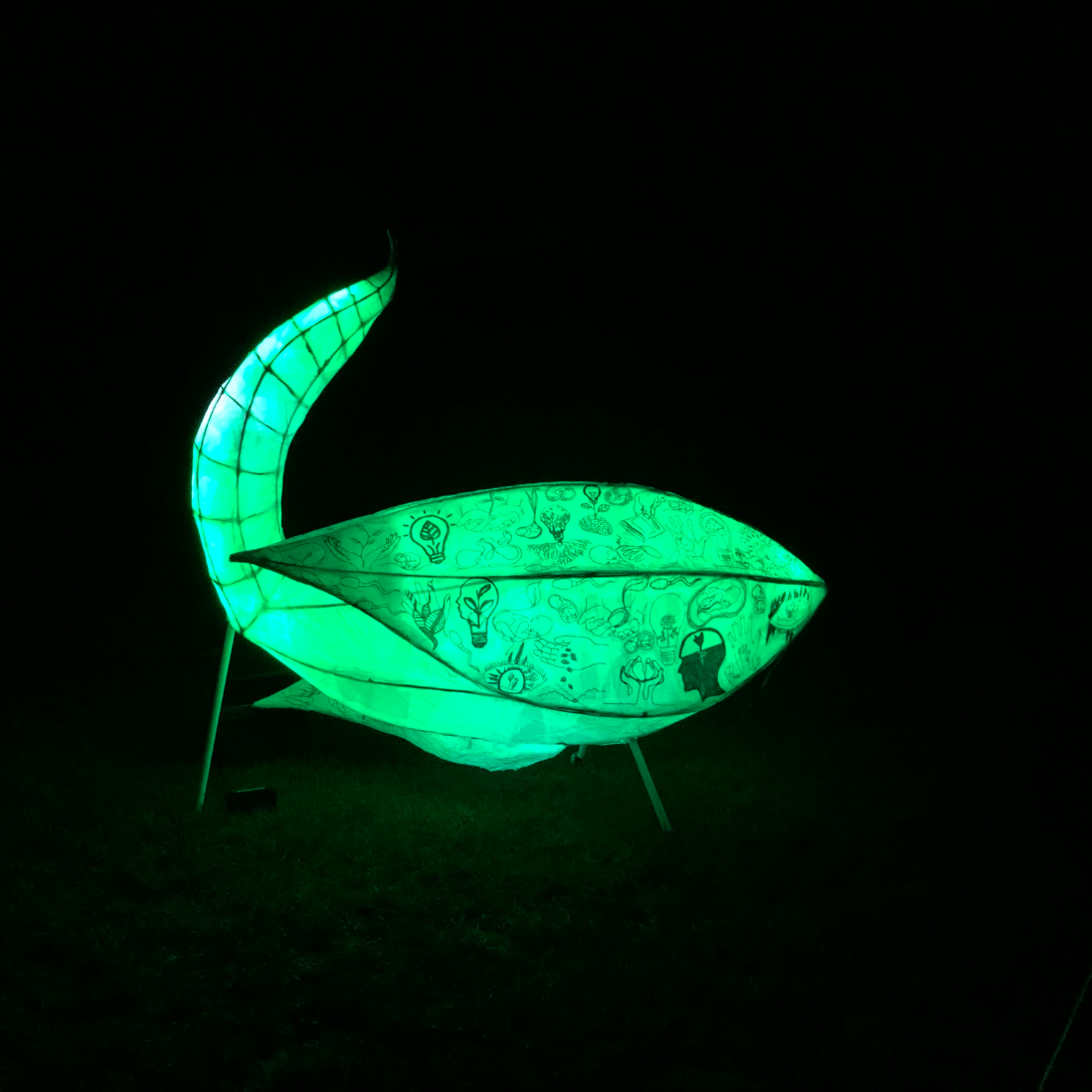
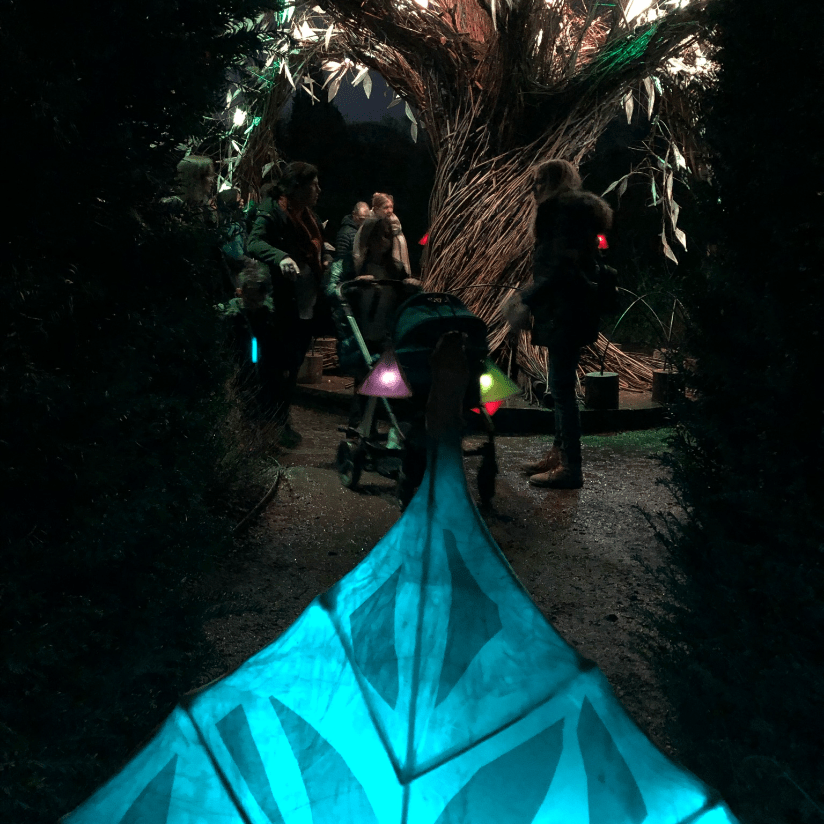
As the New Year both gathers pace and offers a prompt to reflect on things, I have been seeking a sense of ‘fertility,’ growth, fecundity, and multidirectional mutual inspiration, in all aspects of my work and projects. A sense of wanting to feel and be less isolated (pandemic and M.E. have expanded the presence of isolation in my life), and to feel more connected to a living web of community and connection.
In response to feeling slightly in a vacuum with my yoga teaching and practice, and on the good advice of a very good friend of mine who is also a yoga teacher, I have started attending some online classes led by other teachers, and in which I can let go and not be the teacher. This has been so nourishing, and has renewed my perspective on what Yoga is, and my appreciation for the benefits that this ancient and present, traditional and evolving practice can yield.
I have also undertaken some training to improve my offerings at the Yoga for ME class, which is still operating on Thursday afternoons via Zoom, and is a welcoming space for people with chronic health conditions (and people who need a gentle and permissive class for a variety of reasons), to explore a range of carefully prepared and delivered yoga practices, and to see which practices work for them.
To improve my offerings at this class, and my understanding of Yoga and of chronic conditions like the one that I have (M.E.), I am undertaking Fiona Agombar and Sarah Ryan’s online course, ‘Yoga Therapy for Chronic Fatigue, Burnout & Long Covid.’ There is lots of content so I am moving through it slowly and taking it all in, but I am finding it to be thought provoking, interesting and inspiring already. Once I have completed it I hope to offer a series of workshops which will give people the chance to engage with Yoga in a different way than the weekly 1 hour sessions.
It’s wonderful to be studying again: I completed my first Yoga Teacher Training in 2010 at the Kripalu Centre, and I find it helpful to revisit a learning space and undertake CPD at least semi regularly, to keep my teaching fresh and to engender improvement and self reflection where necessary.
There are many things about the modern industry built on of the ancient practice of Yoga, that are not to my taste, or even that I consider to be dangerous and damaging. There have also however been some reflections of current culture and thought in some aspects of how Yoga is presented today, and in these I do see some positive changes. Such as, a move away from a guru-student model of relating, towards a model of every person being a teacher of themselves and of others by showing up to practice and seeing what they experience there. A model of equality, and of autonomy.
I see some (though not enough) class teachers explicitly encouraging bodily and mental autonomy throughout their class, and checking for consent before offering assists or public attention or unsolicited advice. I see teachers doing the work of looking at modern yoga classes through the lense of anti-racist practice, and bringing consideration to cultural appropriation and what this might mean in the context of yoga, and yoga teaching and practice around the world.
I see (some, but not enough) teachers bringing a fat positive, body positive ethos into their classes: something I’m extra passionate about given the prevalence of diet-culture and anti-fat-bias in the modern yoga industry. I see some yoga teachers considering the experiences of LGBTQIA+ folks at their yoga classes, and doing what they can to make spaces, venues, practices and language accessible for people of all gender, romantic and sexual identities. I see teachers considering how to make their classes safer for people with experiences of trauma, and I see teachers adapting practices to suit individual humans living in unique bodies, rather than trying to change the humans to ‘achieve’ the practices.
I see teachers doing what they can to improve access to yoga for those who might struggle to gain access to it: a part of the thinking behind our continued Yoga For M.E. Zoom class offering which runs alongside our in-person classes, meaning that there is something out there that people can access from home, without exposure to Covid-19 risk, at a very low price compared to standard classes, and without the energetic and financial cost of travel.
I care deeply about all these things above, and I would say I am doing better at some aspects of these improvements than others. I am so happy to be part of a tide of change, and so grateful to the Yoga for ME Class Administrator, community of attendees, and teaching team, for giving me the opportunity to continue to teach throughout a pandemic and living with M.E., and to be able to teach in a context that I care about. I am particularly grateful to Cathy and Becky who worked with me to set up the online class sometime around Lockdown 1 or 2: we have been on quite a journey together and I’m thankful for having this community project to be a part of.

I hope this year to find ways to make the most of each day in some small way, and to make time for people I care about, time in nature, work and play and rest.
I hope to bring kindness, respect and a loving attitude as often as I can.
I hope to do what I can to (metaphorically) tread lightly on the earth, in terms of care for our planet and environment. And also to (literally) dance heavily on the earth in thanks for the gift of being alive in a human body, at this time.
I wish you all safe, sane, happy and well, to whatever degree is possible, and I hope you have enjoyed my reflections. Thank you for reading.
With respect and love, Hannah-Rose.
This is a snippet of a song I wrote over the past week: an invocation of wisdom or guidance (this invocation could be from within or from without, as you prefer).
I hope you will find it nourishing.
If you like it, you can head to getbrightonsinging.com/shop to purchase over 5 minutes of quality audio
I’m aware the video editing is somewhat lacking in this snippet: I’m working on it 🙂
However the audio that is available on my webshop is the best quality audio I’ve recorded yet: thanks to building a recording “tardis” (aka vocal booth) to drastically improve my recordings.
Teaching materials for this song are not yet available to purchase (they’re in the pipeline), but this song is available to buy as one single audio file for listening pleasure rather than as teaching materials.
I’ve also added this much cheaper “listen for pleasure” option to all the songs on the webshop, so if you want to buy one of my better quality sound files to listen to, but don’t want to be buying teaching materials, you can do so for a few bob
I hope this song will nourish you, even from this tiny clip.
It has a lot of my soul in it. Love to all
I have co-written a document to help choir leaders and music teachers make their choirs safer, more inclusive spaces for people of all genders.
I co-wrote this document specifically for Natural Voice Practitioners to use. However I’m keen for others to have access this resource as well, so with permission from the Natural Voice Network, I am sharing it here.
I care passionately about this, and I hope it can play some small part in creating a brighter future and a better world for trans, non-binary and other gender non-conforming people.
If you’re interested and would like to access this resource, head on over to the Gender Inclusion and Awareness in Choirs page, where you can access it for free.

If you read or download this resource, hooray, and I hope it is helpful to you.
If you decide to share or quote this resource somewhere, please make sure to credit the authors: Hannah-Rose Tristram, Molara and the Natural Voice Network.
Please do not take excerpts out of context, or in any way plagiarise our work.
Please DO use it as a springboard for learning, for bettering allyship and for helping others learn and grow too.
Now you have read the above, please do head on over to the Gender Inclusion and Awareness in Choirs page, where you can access the Natural Voice Network Statement on Gender Inclusion and Awareness November 2021, for free.
I hope you will find it a helpful ongoing learning resource, and/or starting point.
From time to time this document will be updated, as we receive feedback and/or learn new things.
If you think it could be improved in some way, feel free to let me know at hannahrose@naturalvoice.net
If you would like to sing with a Natural Voice Choir which aims to put these principles into practice as best possible, then do head on over to the GLOW Choir Brighton page and have a look at what’s on.
Wishing you well and hoping this resource will be a positive and helpful one for you,
Hannah-Rose.

“Finding our way
The path may yet be clear
Breathe with this day
We walk with Love and Fear near”
Hannah-Rose Tristram 2021
The above are lyrics to a song I wrote today 🙂
*
These are strange in-between times.
People are trying to live with Covid-19 at large.
Trying to be sane and happy and live full enough lives.
Trying to survive, protect themselves and/or each other.
Trying to do the things that makes life worth living,
Whilst also preserving life in times of pandemic.
It’s a challenging time!
It’s also Autumn here in the UK,
Moving into the darkness of the shadowy part of the year.
Everything is changing.
Leaves changing colour
Trees changing their clothes
Clocks leaping backwards in time
Daylight patterns shifting
Humans doing their best/worst as humans do…
*
In honour of these in between times, I’ve written a new song.
You can hear a snippet of it at the youtube link below.
Quite soon it will be up on my webshop too,
So do check that out if you want to hear more of the song
Or purchase materials to help you sing this song with your friends.
Wishing you safe, happy and well,
Hannah-Rose
There’s a new song up on my webshop: All Beings Equal. You can hear a snippet of it here:
I wrote it in 2018 in reaction to some terrible news about migrant children being inhumanely treated and separated from their parents at the US border.
Sadly, this song is also suitable to today’s news: about the Italian senate voting against the human rights of LGBTQIA+ folk, women and disabled people.
I’m sorry that there is so much shit in the world. I hope this song will feel like a stirring call to action, or a comfort in some other way.
You can find out more about this song and purchase soundfiles and other materials at getbrightonsinging.com/shop
Keep singing!
Yoga For ME is an online community yoga class, bringing the benefits of a home yoga practice to people with chronic health conditions and/or who need to practice from home.
The class is intended to be accessible for people with ME, and it welcomes people with other chronic health conditions who may benefit from the class too.
Co-led via zoom by Hannah-Rose Tristram and Becky Braybrook, Thursday afternoons 2.30-3.30 pm.
See below for more details, or alternatively go to the Yoga Page to find out more.


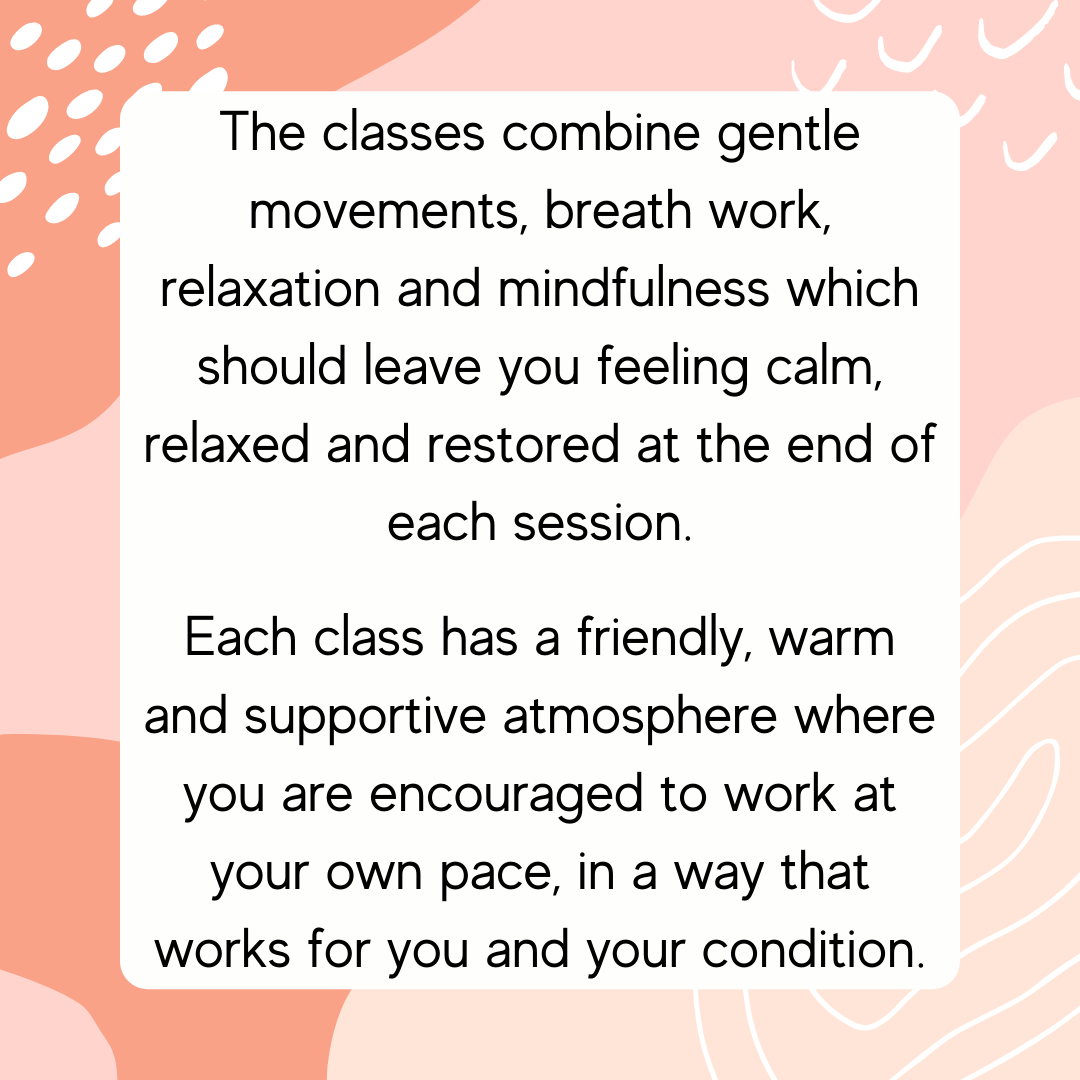
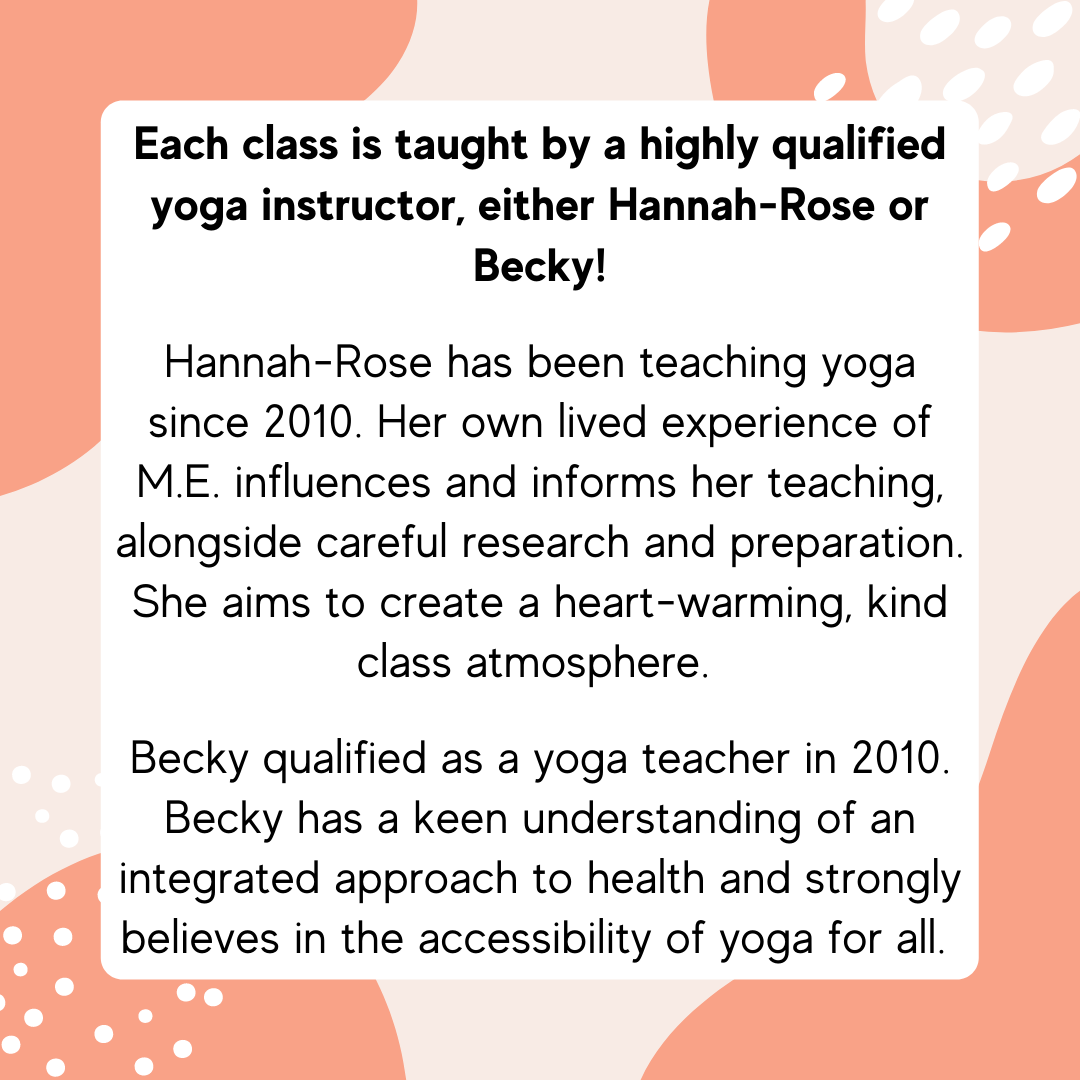
Please consider sharing this blog post to support the continuation of this class. Many thanks!
I look forward to practising with you.
Darkest Star: a new song up on my webshop!
Hear it on youtube here:
https://www.youtube.com/watch?v=3c0rFv5Dth0&list=PLzf9tnVJS-cGb6zw1oLoSGJXwbzphDApA&index=6
Go to the shop below to find out more and/or to purchase scores, soundfiles, teaching tips and permissions:
https://getbrightonsinging.com/shop/#Songs
Keep on singing folks
Here is a compendium of quotes to nourish the soul, interspersed with images from a musical photo-shoot I did with the wonderful Mike South, in woodlands and fields.
On the theme of music and the great outdoors, GLOW Choir Brighton is now holding regular outdoor singing sessions, as well as regular interactive zoom sessions too.
GLOW is a Natural Voice Community Choir for LGBTQIA+ Folk & Allies to enjoy singing together, in a fun, encouraging and non-judgemental environment. All voices are welcome.
Contact hannahrose@naturalvoice.net if you’d like to sing with us in the great outdoors, and/or via the home-comfort of zoom.

“I’ve really enjoyed my one to one voice sessions with Hannah-Rose.
She is very accommodating and flexible, working with what I want to bring to the table,
and is not afraid to contribute, making it a participatory experience that is fun and encouraging.”
Ole H.
Thank you Ole!

Poem by Hannah-Rose Tristram, 2021. I hope you enjoyed it.
There’s a new song up on my webshop – Be Who You Are!
Go to getbrightonsinging.com/shop for video teasers, and to purchase clear musical scores, high quality soundfiles for each voice part and for all parts together, song information, detailed teaching tips and permissions of use, for some of my original songs.
Happy Spring folks!
May music be with you today in some way.
Many thanks to Hayley for the following testimonial about Therapeutic Voice Sessions via zoom, with Hannah-Rose Tristram:
“Following a life changing event which shook me to the core of my being, I knew I had to cultivate my life in a way which kept me grounded and centered.
I had a desire to find my natural voice and use singing as a way of working with energy. So my first task was to find a teacher who could support me in this.
Hannah-Rose is a very empathic, congruent and professional teacher who, I felt was always interested and paid attention to what I was bringing to the sessions.
She works holistically and inclusively, and holds a space for creative expression.
Hannah-Rose always checked in with me to see what I wanted to bring to the session, what was working well for me and anything which wasn’t a good fit.
I always felt that the sessions were well planned, structured and open for having fun.
Thank you Hannah-Rose for holding this space for me and helping me giving me the space and encouragement I was looking for.” Hayley.
Many thanks to Hayley for this testimonial.
To inquire about booking vocal sessions with Hannah-Rose, email hannahrose@naturalvoice.net and/or see getbrightonsinging.com
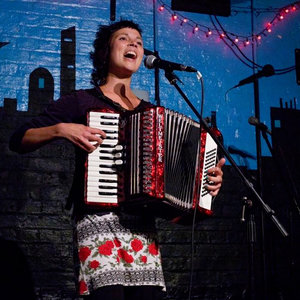
Contemplate the essential qualities of ebb and flow,
rest and activity,
cocooning and flying,
hibernation and awakeness,
stillness and motion,
activity and pause.



What comes up when you think about these qualities? Are you drawn to some of them? Are you averse to any of them?
Do you have a sense of a balance or imbalance of any of these qualities in your life at the moment?
Do you resent, or welcome, or feel neutral/ambivalent towards the invitation to contemplate these qualities? Notice what comes up – if anything.
These qualities, laid out in the quote at the top of the page, are part of a reflection point that I gave at the last Yoga For M.E. zoom class of 2020, which I’ll say a little more about later on.
Qualities such as ebb and flow, rest and activity, cocooning and flying, stillness and motion, and other variants on this theme, are needed and present all year long, subtly or obviously, in a balance.
This time of year in particular, around Winter Solstice, can highlight the presence of and the need for a balance of these qualities.
At the darkest point in the year in the part of the world I’m writing from, in the UK, we reach the time of the shortest day and the longest night, and the dark of Winter covers its biggest part of our days. At this time, there can for some be a sense of needing to rest into the dark. To hibernate. To reflect, to pause, to nestle into the earth like a metaphorical seed, and rest, and wait.
Like the pause at the end of an exhale. To exist in restful nothingness for a moment, or a time. To allow reflections of the year that’s been to trickle over our consciousness, without yet turning them into grand intentions or actions or summaries. To deeply rest, to be with ourselves, and to be still.
It can be challenging to come to a place of stillness, or to slow down, because of the necessities and responsibilities of modern adult life. Also because, in slowing down to stillness, you might become more aware of emotions or truths that you may find challenging, or of exhaustion you don’t feel you have time to tend to, or other tricky things.
It can sometimes be difficult to sit in the darkness, to settle into stillness, to pause, and the cold dark time of year can leave us longing for warmth and brightness of any kind.
This time of year can bring out a great need to busy oneself, to have fun, and to bring light. We see traditions such as gathering together, visiting dear ones, lighting candles, putting up decorations, cooking, eating and drinking, giving gifts, giving thanks, singing, celebrating, spiritual ceremonies, walking through the dark carrying lanterns, making merry, playing games, or filling the Winter’s dark with ‘stories by a fire’ – whether this be a literal fire or the glow of a TV screen, or a shared reading of a story.




Leonardslee Illuminated, 2020
At this time of darkness and cold, humans seem to have a strong dual pull towards both resting into the darkness, and igniting the light as far as we can. From our different situations, we might find different ways to meet these needs.
Certainly in 2020, our strategies to meet these needs, as well as our basic survival needs, have had to change and adapt drastically. It’s been a hell of a year for all humanity, and I think that those of us who have been lucky enough to survive are collectively exhausted.
The constant strain of things like risk assessment, risk management, isolation, fear and anxiety about catching or spreading the virus, job losses, loss of normal coping mechanisms, distance from dear ones, digesting difficult information daily, communicating about virus risk management with ones social and familial and professional circles, grieving, surviving, ruptures to community life, and making tough choices again and again without knowing when the pandemic will end, has been relentless all year, and shows no sign of truly letting up yet. Oof.
Short interruption to the flow of this blog post – if you need to talk to an anonymous, kind stranger about whatever you’re experiencing, then do call the Samaritans on 116123.
You may have to wait a few minutes, but if you hang on in there, there’s a compassionate ear from somebody outside your situation to listen to and support you, anonymously, and they are open 24 hours a day 365 days a year.
Alternatively if that isn’t for you, do seek out the support you need elsewhere. It’s totally okay to be struggling, and it’s totally okay to need support.
Back to topic of OOF WHAT A YEAR, and introverted/extroverted needs & inclinations at this time of year…
I do feel a heavy need to exhale and sleep for a long time, and to totally forget about time and responsibility and life’s realities, for something like a whole week. Mmmm… To nest and go extra simple and comforting and inwards looking. This doesn’t really feel possible, but I can do micro doses of restfulness, easiness or spaciousness, on most days.
In contrast I also have a wildly itchy itch to let my hair down and party, to dance round a fire with a gathering of people, to be in a sweaty messy club dancing it out, or even just to do simpler things I miss like hugging my parents, singing together with my dear GLOW choir folks in person, or going to a cafe/restaurant. It’s extra hard for people to meet their more extroverted needs/inclinations at the moment, because of the pandemic. Boo!
There are so many things I would dearly love to do right now, but I can’t, because I want to protect myself and others from Covid-fucking-19. My activities are also limited by having a chronic illness known as fucking-argh-why-do-I-have-this M.E. This illness is sometimes colloquially known as Chronic Fatigue Syndrome, but this name highlights fatigue over all of the other symptoms and has dismissive/misleading connotations, so I, like many/some others who have to live with the varied and ongoing system-wide symptoms of M.E., do not like or use this name for it. I’m pretty tired (har har) of this illness and its impact on my life, and frankly M.E. can ‘do one.’ Please and thank you.
Unfortunately, lots of people who have survived Covid-19, have ended up with chronic or long term symptoms a lot like M.E. and other Post Viral illnesses. This really sucks for everyone experiencing it – I wouldn’t wish this illness or anything similar to it, on anyone. It’s also difficult to keep earning a living if you get struck down with something chronic, and the lack of support available for some people in some working situations when faced with covid and/or slow recovery, is pretty shocking. I wouldn’t be able to survive with M.E. without the current support I’m very lucky to have, and I wish this government would do better by all of us.
Chronic illness can teach us a thing or two about ebb and flow, hibernation and awakeness etc., though it’s not the way I’d wish for anyone to have to learn it. The experience of having M.E. has taught me a lot about balance, rest, privilege, and other things, and there are some hard lessons I have to keep repeating. But I wouldn’t wish this means-of-learning on anyone.
I would like to make Covid-stinking-19, and grumble-honking M.E., into some sort of super-villain / sub-par-villain cartoon. I’m not sure why and don’t think I have the energy to put it together. But maybe the impulse there is to help make it all feel more controllable, and more defeatable.
Perhaps I could then depict that villain losing their winning streak, and could get some catharsis by wreaking my author-ly / super-hero / sub-par-hero revenge, and saving humanity and myself by the end of the quite-short comic strip, so we can all get on with our lives, and sing, and hug, and survive, and be together in normal human ways again.


Sigh. I digress into fantasy. Back to my reflection point of ebb and flow, and thoughts on The Season that I’m writing this in.
This moment of Winter Solstice, the time of the longest night, also heralds the beginning of the gradual return of the light. The wheel of the year turns onwards. We can anticipate that Spring will come.
And so it is in the cycles and motions of things, that after deep rest there can come gentle easy movement, and a new awakening into a different moment or day.
After a sleep in the earth, there can come an eventual sprouting of seeds, and beyond that, blossoms and fruits and branches.
After a nourishing sleep (if you’re lucky enough to have those, hello other insomniacs out there, let me know what works for you ‘cos I’m still regularly an insomniac despite years of experimenting!) there can come a newness of mind that warms the ‘soil of self,’ in readiness for Spring and Summer’s eventual anticipated richness to arrive.
Sitting in the darkest point of the year, we might find the need for hope for different times ahead. Hope for light, warmth and colour yet to come.
2020 has been a year that leaves many of us desperate for some hope of respite from the global Stop-It-I-Scream Covid-19 Horrid-And-Mean pandemic. In a year that has ravaged and upturned the lives of every human on earth, hope can be a delicately flickering flame, easily extinguished, and potentially a much needed balm when alight.


Here’s what Emily Dickinson says about hope:
By Emily Dickinson
Hope is the thing with feathers
That perches in the soul,
And sings the tune without the words,
And never stops at all,
And sweetest in the gale is heard;
And sore must be the storm
That could abash the little bird
That kept so many warm.
I’ve heard it in the chillest land,
And on the strangest sea;
Yet, never, in extremity,
It asked a crumb of me.
A poem about hope, by Emily Dickinson.
How lovely to think of Hope as something that ‘never stops at all’.
That’s not how I experience it though. I experience hope as a feeling, or a state of mind, and therefore something that is transient. I might think of my experience of Hope as a warm, bright feeling place within my heart-space and my psyche.
Trying to think of something that “never stops at all” in this context, I might think of the Potential for hope, rather than Hope itself. As if the potential for hope is a candle that always exists within me, but my feeling or not feeling varying degrees of hope is the changing state of the inner candle. It can be dimmed, brightened, extinguished completely, and re-ignited, again and again, depending on outer and inner circumstance and experience.
I think hopelessness may have been experienced by many, and often, over this year, as the endless twists and turns of pandemic life and tragedy (both personal and collective) have marched on. Our ‘inner candles’ of hope and equanimity (or other positive-feeling states that individuals would describe differently) may have been extinguished many times; and perhaps have been re-lit by acts of kindness & humanity, or other things that bring us solace, if we are lucky.
Some people’s experiences of hope, and of having specific hopes, is of having those hopes dashed, and giving way to deep disappointment. Some people’s experiences have been such that hoping might seem a foolish thing to do, at times, or a difficult thing to access.
Sometimes it is other things than hope that see us through hard times. Sometimes it is doggedly putting one foot in front of the other until you’re out of the dark woods of difficulty and/or despair, rather than being able to imagine anything beyond it.
And sometimes it is hope that keeps us going; sometimes the only thing that gets someone through the freezing snow is the idea of a warm hearth and a hug at the end. Sometimes the only thing that keeps a tired soul going through mirk and mire, is the possibility of a bright field of flowers and sunlight or moonlight at the other side. Hope can be something that helps us to go on.
These things beg the question, what is hope, and how is it different from a wish, or from faith? I wonder… Perhaps hope might be described as a sense of readiness, or a feeling of possibility. Perhaps hope is a connection to a felt-truth that all things will change, with a wish overlaid on top of it about how those changes might go.
There’s the phrase “don’t get your hopes up,” which i suppose is a cautionary protection warning against having “high hopes” dashed against rocks of reality. Like the UK’s Christmas Covid Rules rollercoaster. Argh.
I don’t know the answers to these more philosophical questions, if indeed there are answers. But I do know that for many of us around the world, the arrival of vaccines has heralded great hope of ONE DAY, PLEASE, HOPEFULLY, being able to gather, sing, dance, work, embrace, survive and thrive and live as fully as we want and need to, without putting ourselves and our vulnerable human earth-siblings at risk.
Vaccines may be bringing Hope for many, and yet it also looks like there is yet a long way to go until these hopes can be fully manifest, until it truly can be safe to live fully again without putting ourselves and others in danger. We will have have to wait, and keep waiting. And breathe into the potential discomfort of it all.


A bit like the waiting and watching for the lighter and longer days to gradually return, from the longest night of Winter Solstice. Looking towards the Spring equinox when dark and light come into balance, and onwards beyond that towards brighter, warmer days.
I hope it won’t be another whole turn of wheel of the year before I can do my job in person, or hug my family, or have friends round for dinner. Not just so this metaphor holds up, obviously.
There’s another flaw in my metaphor – some of us love Winter and darkness and cool weather, and don’t enjoy summer at all. Stepped on my own blog-poetry there didn’t I? Haha.
As it happens the return of the light can be a mixed bag. For some people, including me, brighter and hotter weather can exacerbate symptoms and cause worsening in migraines, fatigue and other such stuff. But that doesn’t mean that I don’t also crave the mental uplift of a beautiful sunny day and the ease of gently warm weather – even if the brightness and heat also causes me difficult physical symptoms. It’s tricky! And nuanced. And especially now that most safe-socialising has to be done outside, the Winter can feel crueler.
Our relationships with the seasons are also greatly impacted by our privileges in terms of shelter, heating, air conditioning or other practical supports we may or may not have access to. Which makes relating to the seasons different for people in different financial situations, points in time, and other circumstance-based things too. So basically, it’s all more complicated than my simple metaphor might seem to imply here. Anyway – back to that metaphor:
Some of us (and perhaps, some parts of all of us?) love to nestle in the darkness. And some of us (and perhaps some parts of all of us?) can find a sense of rawness and sadness in the dark and chill of Winter, and the long wait for the light to gradually make its return can leave us needing reminders of hope, of light, of uplift.
And so we might switch on fairy lights, spark up candles and fires, make celebrations, enjoy music, and give gifts of love. And we adjust to the times, this year with most of us doing the best we can via zoom, with reduced income for most, and with a steady drip drip of cut finder AHEM I mean hand sanitiser, dettol spray and masks thrown into the proceedings. And occasionally, we might rest, or stare out of the window, or hug a tree and breathe a big sigh (provided everybody else is two meters away from us), and shout “WHAT THE FUCK?!” to the beautiful sky full of stars.
And we might at this time of year, feel into how much of nestling in darkness, and how much of invoking the light, we might need, overall and in each moment. Hopefully, in the right balance for us. Too much of one quality without the other, and we might find ourselves depleted or irritable, or other signs of unmet need.
Balancing these qualities it not a need specific to this time of year. All year round, we need a particular and changing balance of ebb and flow, rest and activity, hibernation and awakeness, cocooning and flying. Our needs may swing more one way than the other at particular times of year, and our circumstances may also push us in one or other direction – not necessarily in the same direction as our needs. When there is a conflict of circumstance and need, hopefully small do-able strategies can be found to address the balance even a little, in whatever direction is most needed.
I chose this theme as a reflection point in the last Yoga for M.E. online session of 2020. Reflection points in various forms, are something I’ve included in each Yoga For M.E. session this year, and for me are an important option to have as part of making practice time meaningful and/or nourishing for different aspects of self.
I brought in this reflection point as we practised some movement and breath sequences, and some resting poses, known to some teachers as “butterfly pose” or “butterfly flow.” This name for the movement practice hopefully led pleasingly into the theme of cocooning and flying. The embodied practices themselves include qualities of “opening” and “closing,” both in motion and in the still options, which I find to be a pleasing link with the theme.
I hoped it would be a helpful option to some, at this point in the practice, to invite reflections on “the essential qualities of ebb and flow, rest and activity, cocooning and flying, hibernation and awakeness.” I offered a thought point to attendees that, “Nature’s rhythms, and these poses and practices, can remind us to connect with and reflect on these qualities.”


I am careful to make all aspects of yoga practice sessions Opt-In, because not everything is good for everybody all the time. So I hope that this invitation was appreciated by some, and ignored by others if they preferred to put their attention elsewhere!
In this last class of the year, I enjoyed integrating other thematic aspects of the season into physical aspects of the practice too. Including looking behind us (into the past and literally behind us in our physical spaces), looking ahead of us (into the future and literally at what is in front of us), and turning our attention to the breath within us in the present moment, right now.
This made me think of Janus, who Wiki tells me is the Ancient Roman “God of beginnings, gates, transitions, time, duality, doorways, passages, frames, and endings. Usually depicted as having two faces, looking to the future and to the past.”
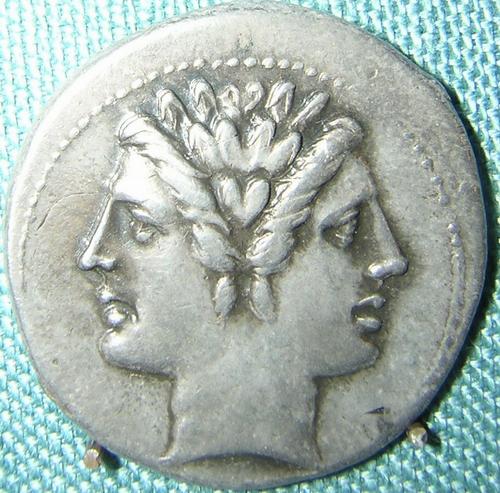
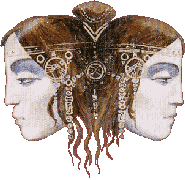
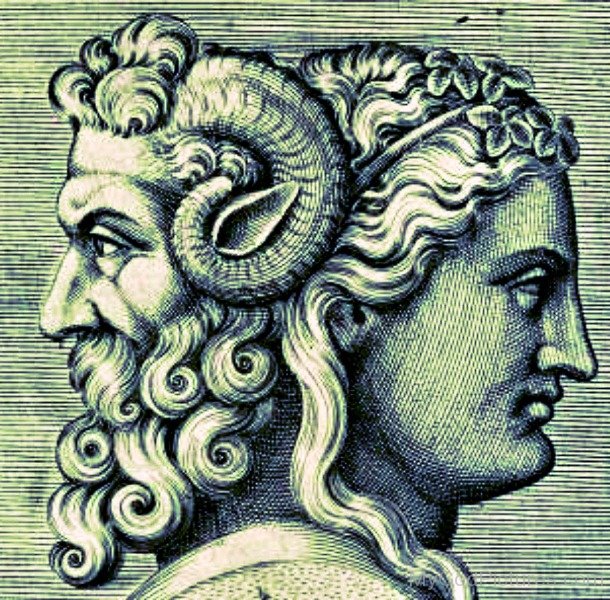
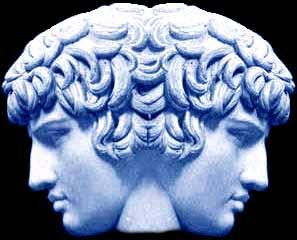
As I paused to be still on the morning of the Winter Solstice, I took some time to reflect on the tapestry of moments that have made up the past year. The change from one calendar year to the next prompts this type of reflection for most of us, even if it’s as simple as “2020 has been a crap year” – an apt summary that someone gave me from behind a mask at about three meters away, in town a few days ago, before we did a pretend-hug mime and waved bye bye from afar.
It has in many respects, been “a crap year.” There’s no denying it. Amongst the crapness of 2020’s shit bits though, there have been wonderous things, such as acts of love, moments of beauty, moments of relief, shared catharsis, appreciation and connection, huge lessons learned, humanity shared, and other things of great value, including a reduction in the pollution of our planet due to restrictions on modern human activities, increased accessibility to events through online options, and other positive human adaptations. And for those of us who have survived the year, we have been lucky to.
Looking ahead, to the new year, there are hopes and fears, some of them universal (“the hopes and fears of all the years” – a line from a Christmas carol), and some of them very specific to this moment in time.
Personally, at this moment, I’m hoping for vaccines, survival, connection, love at the driving seat of all life’s moment-by-moment decisions, better health, and meaningful ways to contribute and continue contributing.
And when it’s safe, I CAN’T WAIT TO GIVE MY PARENTS AND MY DEAR FRIENDS AND FAMILY A HUG! Bloddy hell.
I’d like it to be safe to sing, dance and eat with a gathering of people again. I’d like to be able to smile and chat to people in shops instead of shrinking, running away, and getting anxious/angry when people stand too close or don’t have enough protective gear on.
I’d like to replace our inefficient and uncaring government with kinder, braver, more intelligent, less underhanded people with more integrity and efficacy, honesty and humanity.
I’d love to see the rife inequalities highlighted by this pandemic, addressed and done something about, by individual humans, yes, but also by those with the privilege of being in charge.
If I’m hoping high, I’d also like my M.E. to go away, so I can live without the symptoms and limits of this illness. And I’d apply the same hope to my beloveds who suffer similar.
I also hope that those people who have survived catching Covid-19, can avoid the long post viral suffering that many of us with chronic M.E. or fibromyalgia are all too familiar with.
I hope that those who are grieving or celebrating or both, will be able to do so safely in the time honoured tradition of getting together with people.
Small rant about one of the many reasons I’d like M.E. to leave me alone: Managing health and work and life, as a person with M.E., I can sometimes get frustrated at the way that my limited spoons, and commitment to quality, can mean that it takes a lot out of me to offer a class or a session.
The energy it takes to prepare and deliver a small piece of work can take up most or all of my usable hours in a week, which can be hard if you’re a spoonie with high ambitions, a lot of passion, and bills to pay.
But I wouldn’t take back a second of any of the yoga, choir or vocal work I’ve had the honour to do since getting ill, or done on zoom since pandemic arrived in our lives. I’m heartily glad of every moment I’ve been able to spend engaged with these things.
I don’t have the words to express how grateful I am for the core of GLOW choir folks who’ve shown up on zoom every week since the pandemic started, kept a sense of community alive, and given me a place to continue contribute meaningfully. It’s so nourishing to feel connected to LGBTQIA+ community, at these times when we can’t gather together in person. THANK YOU GLOW CHOIR FOLKS! You are amazing.

It nourishes the soul to be able to contribute in meaningful ways to others, and for me to contribute especially to the lives of those whose experiences and challenges are similar to some of mine (eg being LGBTQIA+ identified, or having a chronic illness).
It means so much to me to feel that there are positive ripples from my actions, that people benefit from the care that I take in preparation and the presence I bring to holding these spaces. It’s been such a boon to have regular work commitments too, for structure and sanity.
I’m also glad to have the chance to adapt and keep my teaching practices alive, despite M.E. and pandemic. And I know that on my death bed, I’ll be so glad I did these things, and kept showing up for community and connection as best I’ve been able to amidst the challenges.
Woah! You said death-bed!! Yep. At this time of year, moving towards the longest night and the shortest day, watching Winter unfold, and with the events happening in the world and in the lives of myself and my dear ones, death is, as ever, a real thing and it shouldn’t be taboo.
Contemplating death and its beautiful terrible truths and mysteries, I know in my heart that every second spent in service of community, and essentially Love, has not been a second wasted. It’s good to remember this when I’m fretting over the realities of day to day adulting and the like.
One of the other reflection points I brought to a zoom yoga practice session this year was an invitation to “ask yourself what words you most need to hear right now,” and if anything came up, to speak or sing it to yourself, out loud or in your mind.
Exploring this intention for myself before and after the class I offered it in, led to me writing a brand new song, which dear GLOW choir folks have been bringing to life!
What I most needed to hear was,
“You are doing so well, good enough is good enough.”
It turns out I also needed to hear Mary Oliver’s “Wild Geese” poem, which has also been incorporated into my song titled “Good Enough.” Have a listen, here: https://www.youtube.com/watch?v=yYJyweaDOWQ&feature=youtu.be
Here’s Mary Oliver’s poem:
Wild Geese, by Mary Oliver
You do not have to be good.
You do not have to walk on your knees
for a hundred miles through the desert repenting.
You only have to let the soft animal of your body
love what it loves.
Tell me about despair, yours, and I will tell you mine.
Meanwhile the world goes on.
Meanwhile the sun and the clear pebbles of the rain
are moving across the landscapes,
over the prairies and the deep trees,
the mountains and the rivers.
Meanwhile the wild geese, high in the clean blue air,
are heading home again.
Whoever you are, no matter how lonely,
the world offers itself to your imagination,
calls to you like the wild geese, harsh and exciting —
over and over announcing your place
in the family of things.
And incase this is what you need to hear right now, here it is again:
You are doing so well.
Good enough is good enough.
You are doing so well.
Good enough is good enough.
For those of us in a time of darkness, contemplating the year, holding loss and abundance in alternate hands, whilst navigating Covid Christmas Chaos and the prospect of an uncertain year ahead, I hope that you can go gently with yourself in some way, and know that “good enough” is good enough.
We may all have varying hopes for the year ahead, if any at all. Hopefully and probably, whatever happens, flowers will bloom, trees will burst forth with fresh green life, and Spring will come.
Whoever you are, thank you for reading my ramblings and thoughts. I hope that you find something of whatever you most need today.
Please imagine I have written a very pleasing and pithy summary tying everything back up with the Cocooning and Flying theme, and insert it here. Thank you! Take care x
Hello there. Here is a video of ‘Going Home To Love,’ a song I’ve written this year.
The video is sung by myself and Judith Silver. Enjoy!
https://mixcord.co/acapella/p/mAeSHJ7G5cdGfINk_GABGA/
Lyrics to aid your listening:
And after all we’re only going home,
and when we’re gone all that’s left is love.
Spread your wings, fly free, let go.
Love is here, Love is now, Love is you, Love is me,
Love is everything we do
By Hannah-Rose Tristram. Happy listening!
This is a song by my dear friend and Natural Voice colleague, Judith Silver.
I had the honour of singing with Judith on this video.
I love Judith’s songs, and I hope you will enjoy hearing this one.
It’s one we’ve enjoyed very much at GLOW choir and beyond.
Thank you Judith for being so generous and inspiring!
There is more information about the song itself, the text and meaning, at Judith’s youtube link if you view it directly on youtube.
Hello. I wrote a poem today, and wanted to share it, for human reasons. So here it is on my blog! I hope you will enjoy it or be touched by it in some way.
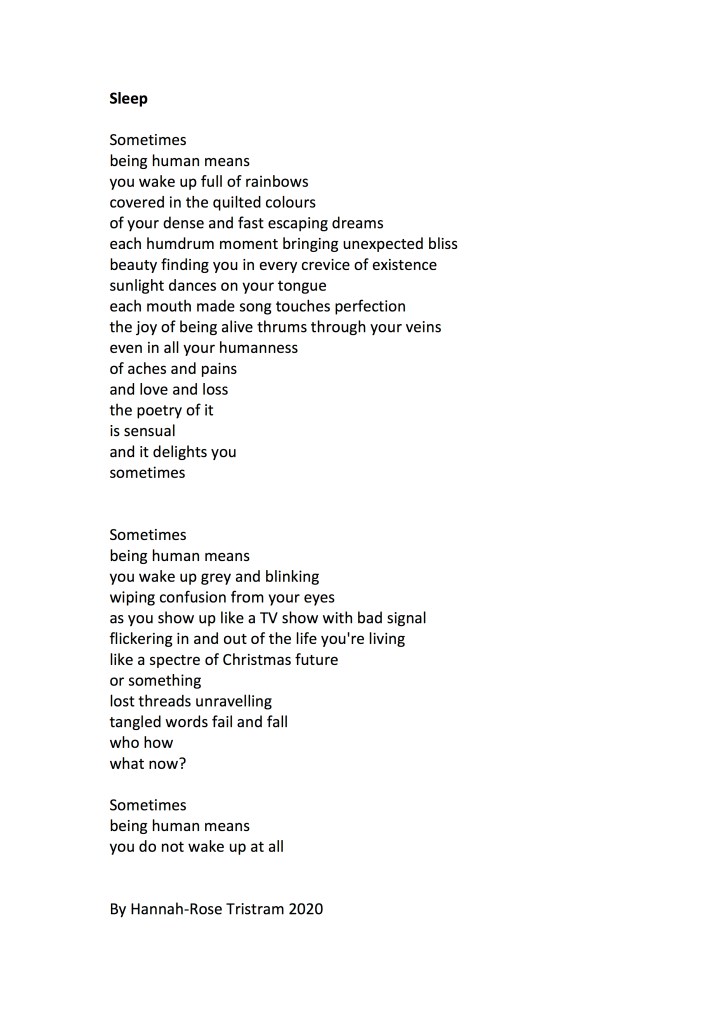
I wonder what your responses are as you read this poem. What physical sensations do you notice? What emotions feel present, if any? Where do your thoughts go, if anywhere? Do your thoughts seem like pictures, a string of words, or something else?
Anything you notice is useful information about you, and since you’re a human, useful information about humanity. Thanks for engaging with these questions in any way that you have.
And thank you for reading this poem about being human.
If you super loved this poem, please consider making a donation. Thank you so much if you can! And if you can’t, no worries. Thanks for connecting with me by reading one of my poems, and I hope you have a lovely day.
You can also commission me to write songs, poems or make other pieces of art for you, if you have a project / vision / friend you want to treat.
On the subject of treating friends – I teach singing and yoga via zoom, and you can buy colourful vouchers for these as gifts for beloveds. Contact me if you’re interested!
If you’re having a shitty day because of the pandemic, or because life can be hard in various ways, then I’m sending kindest wishes to you; and I hope that there may be comforts of some kind for you and some easier times tomorrow.
If you’re having a great day – yay for you! Long may it be so.
Wherever you are at today, I hope that reading this poem has brought you a sense of connection, beauty, meaning, catharsis, resonance, food-for-thought or some other enjoyable thing. If you didn’t like the poem, I hope you can take some enjoyment in that too.
Here’s a dose of Autumnal beauty to be a nice thing to look at. And a couple of pictures of me prancing, cos why not.
Best wishes and thanks for reading,
Hannah-Rose



As I start writing this, it’s Friday night on October 30th, 2020. The part of the world I’m based in is softening into the darker season, cobwebs are being displayed in gardens nearby (both spider-made and human imitations), and Winter looks to be a chilly time ahead of distanced outdoor meet-ups, lockdowns and losses, thanks to the Covid-19 pandemic.
Out of the darkness of this terrible time of pandemic, have sprung some wonderful human adaptations. One of these has been increased access to online learning, and online-adapted leisure and cultural activities; making a variety of things more/differently accessible.
I’ve recently finished a dense week undertaking an Estill Voice Training Course via zoom, with people from all over the world. Being engaged and present 9-6 every day for a whole week is not something very available to many spoonies with chronic health issues to manage. Being able to learn from home and cut out the travelling element, has made it possible for me to engage fully with vocal studies that I’m passionate about, and wouldn’t otherwise have access to at this time in my life.
The course I took, Estill Voice Training, Levels 1&2, is a course I have taken once before in person. It contains such densely detailed and vocally practical content, that it suited very well taking it a second time round. I deepened my learning about the human voice so much, including in ways I can clearly see being helpful in my vocal teaching and performance practices in the near and far future.
Delivered with anatomical clarity and practical accessibility, this course presented a very helpful model for understanding what is most likely to be happening in the anatomy of the human voice when different types of sounds are produced. It also offered various imaginative and kin-aesthetic ‘ways in’ to developing conscious control over detailed anatomical aspects of voice production.
The course teachers were careful to emphasise that collective human learning is continuous, and that the most detailed things we currently know about human vocal anatomy and usage (obtained in part through the excellent work of Jo Estill in her lifetime), may well be updated and improved upon over time.
The teachers were also encouraging, clear, and curious to keep learning whilst delivering their teaching. They did not present themselves as gurus (phew), but as people with excellent training and skills, and helpful embodied and theoretical information to impart. Their approaches, and their clarity about their own biases and how they bring those to their teaching of the Estill Model, were very appealing to me as a Natural Voice Practitioner, and as a human who seeks to empower other humans in the work that I do.
The Estill Model of vocal training can help people to increase vocal control, freedom and understanding, without being nudged towards any particular aesthetic bias. It goes hand in hand very well with the Natural Voice Network’s approach, that every human voice is valuable and worth hearing, and that singing and giving voice is a human birthright.
This is something I firmly believe – that every human voice is valuable and worth hearing, and that singing and giving voice is a human birthright. I have been doing what I can to celebrate, explore and encourage human voices as a life’s work, and have done so professionally since completing Natural Voice Teacher Training with Frankie Armstrong and Darien Pritchard in 2007.
I was lucky enough to undertake apprenticeship with Frankie Armstrong for some time after I qualified as a Natural Voice Practitioner. The experiences I have had at Frankie’s side, as well as the experiences I’ve had leading singing groups since then and learning as I go, have inspired and confirmed a passionate love of the human voice, and taught me a lot about group facilitation and human nature.
My experiences have instilled in me the importance of empowering and encouraging people’s voices. People’s experiences of working with their voices in a safe environment can have wide reaching positive impacts on their lives, in many ways. But that’s a topic for another blog post altogether. Have a look at my Tedx Talk on The Power of Group Singing if you’re interested.
Back to my recent learning on the Estill course: The Estill Model offers helpful, practical ‘ways-in’ to empowering people to give voice in the ways they find preferable / exciting / comfortable / expressive / pleasing / suitable to purpose etc. It takes away from a sense of some people having “better” or “worse” voices than others, and instead offers the question, “what is this person doing with their vocal anatomy to create this sound?” This can lead on to the question, “what type of sound does this person want to make?” And offer helpful, reliable (depending on the teacher and the student) ‘ways-in’ to help somebody give voice / speak / sing in the ways that they want to. This is congruent with the way in which I work with Vocal Students individually. It was wonderful to be in a learning environment that supports the ethos I live and work with.
The Estill course and model also looks at the science of sound, and explores spectral analysis (I think this is the correct phrase) of vocal sound via a software called ‘VoicePrint‘. This offers a perspective on how particular vocal sounds are perceived by humans and why, and also gives objective information about how different vocal sounds look on a spectral analysis image (spectrogram is the term I believe). This is useful information, outside of and in addition to the aesthetic bias and aural perception of any individual listener.
I thoroughly approve of and am lucky to have been studying the Estill model of voice training and exploration, and am excited to incorporate my learning into upcoming singing lessons, workshops and choir sessions. When time, finances and pandemic life allow, I would love to continue formal study and practice in the Estill model, as it’s a wonderful compliment to the various vocal modalities I’m already familiar with. In the meantime, I’m very excited to incorporate my additional learning into my work as a singing teacher and vocalist.
My vocal background includes vocal study and choral concert tours with world music choirs Village Harmony and Northern Harmony regularly since childhood. This has given me insights into and embodied experience with vocal musics from around the globe. These experiences helped me develop critical curiosity about and deep respect for the cultural contexts that music types sit within; and most deeply they ignited in me a fiery passion for the power and variety of the human voice.
Especially, a passion for the human voice when singing in together with other human voices – something which is very much compromised in these times of pandemic. I’m doing my best with zoom features, creativity and continual learning, to emulate and keep alive the many experiential aspects of singing together that humans need and crave, at a time when we cannot safely gather to sing. It’s an ongoing journey of creative adaptation!
My background experience also includes Actor Musicianship Training from Rose Bruford College, and a wide range of musical, vocal and embodied learning and experience. These include singing with Packpins Madrigal Group, creating music for and performing in a wide range of Theatre productions including at The Watermill Theatre and Chichester Festival & Minerva Theatres, self taught Accordion skills, Grade 8 Flute, many years of experience teaching and doing group singing, and a BA Hons 1st in Music and Dance from Kingston University.
The offerings I make within a portfolio career, currently mostly operated via zoom due to Covd-19, are enhanced and influenced by a variety of skills, qualifications and experiences which complement my musical and vocal studies, in ways that can be of benefit to vocal students and people I work with in other capacities. Things learned in these other contexts can sometimes be very helpful to vocal students and enhance the way I work.
These include training, qualifications and/or experience in mindful movement based practices such as Kripalu Yoga, Partner Yoga, Pregnancy Yoga, 5 Rhythms, Physical Theatre and Dance; and various practices and CPD such as NVC Compassionate Communication (Foundation & Deepening, undertaken March to June 2008). I have been grateful to learn from these and other practices and trainings, and I enjoy weaving my understandings together creatively in both personal explorations and in professional and creative offerings.
I aim to bring together the different strands of learning that I have, to create meaningful ways for humans to connect with themselves and each other, and with shared humanity.
In recent pandemic-affected times, I’ve been making some offerings via zoom. These include community choir sessions for LGBTQ+ people and Allies, Yoga For M.E. classes, and one-to-one Singing Lessons and Yoga Sessions. See below for details of GLOW Choir and Yoga For M.E classes. Contact me to inquire about getting involved!
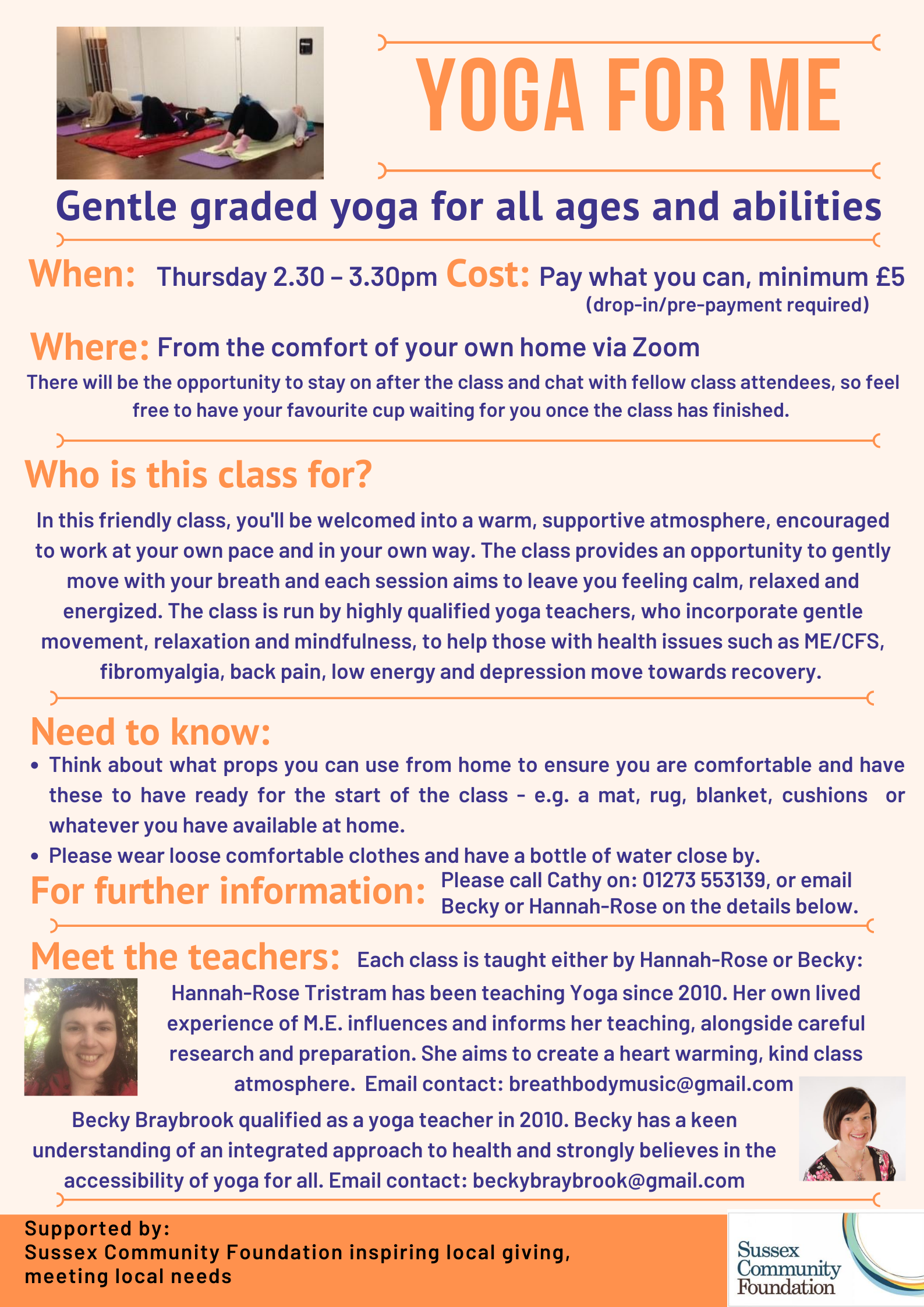
Making meaningful work happen during pandemic life can be challenging, and I’d love to find creative ways to collaborate with more artists, teachers, facilitators and performers, as well as also offering my work to a wider audience of people via zoom. Here’s wishing, thinking, reflecting and creating!
Contact me to inquire or to book your session!
Many thanks to all the amazing people I’ve learned from (including participants at my groups) and been inspired by (ditto), mentioned here or not.
You all rock and I’m amazed by you all. The ripples of your actions are still rolling outward in beauty.
Hello! It’s been a long time since I wrote a blog post – like everyone, the pandemic has wreaked havoc in my life, and I’ve been too busy surviving, adapting and adjusting, to get a blogging groove on. Whoever you are and however the pandemic has affected you, I wish you as safe and sane as is currently possible, and I hope you will enjoy my thoughts and reflections below, and perhaps even consider joining me for some online singing, yoga and more.
For the safety of all, to do my part in reducing the spread of the virus, and to protect myself, my close ones and my students, I’ve taken all of my work online for the forseeable future. This has been a pretty hefty move, involving a lot of grief, creativity, adaptation, letting go, and stepping into the unknown with as much integrity as I can muster.
At this moment in time, the beautiful countryside where I grew up is under imminent threat of destruction from the frankly greedy, bull-headed and stompulent Highways England; who seem to think that it’s a good idea to destroy woodland, habitats, beauty, villages, communities, churches, homes, and more, for that “wonderful cause” of lots more money for themselves, and creating lots more pollution and strain on the earth during a time of climate crisis. What sweet intelligent caring folks they must be. I wrote a song about this last time they tried to do it (when they were delayed by being taken to court by a crowdfunded individual, for falsehoods and incompetence in their public consultation process) which you can listen to here: https://getbrightonsinging.com/2020/10/25/protest-song-arundel-bypass-destruction-of-wildlife-and-villages/ Please do anything you can to stop this atrocity happening.
Um, back to me for a moment – the move from working face to face, in person, to working via zoom, has also happened alongside physically moving house, and other human challenges – hence extra upheavals have been afoot. This may or may not explain my delays in updating my website, writing blog posts, stopping climate change or figuring out how to earn better in uncertain times. I am grateful to now live in a home where myself and my Beloved can both teach from zoom at the same time, and ensure privacy for each other and our students. This is a huge relief, very exciting, and already allowing us both to serve our clients and communities with much greater ease. We’ve just about finished unpacking, except for all the boxes in the van. Eek.
Well, everything I used to do in person professionally, I’m now offering online, with adaptations and bells on. If you’re keen to enjoy singing lessons, yoga classes, voice coaching, workshops or other creative offerings on zoom, then email hannahrose@naturalvoice.net to let me know your interest.
I’m also just about to undertake Estill Voice Training Levels 1 & 2 for the second time – so if you want a singing lesson with me while this dense and thorough anatomical, practical and experiential learning is still fresh in my mind, ping me a message and book your session!
I’m also a person living with a proper shitty chronic illness, so wish me luck for managing 9-6 training every day next week, please and thank you, and I’ll be sending you my very good kind wishes too.
If you want to read a reflective article about all sorts of things, including reflections on life, love, pandemic, work, music and more – then do read on. Feel free to also stop reading and get in touch too, if you’d like to enjoy some of my online offerings and have no more time or inclination to read these words.
Back to the home-moving theme and a bit of over-personal gushing: Besides providing a place where me and my partner can do our online work simultaneously and with more ease, the house move mentioned above has also been significant because my Beloved and I chose our new home together, and this has been our first chance to choose and move into a home together as a couple. Woah. I feel very lucky and proud to have come to this place, with a human I Love, respect, care about and admire in so many ways. I mention this because it is A Big Deal and I want to shout about it.
Quarantine Romance Story Side Note That Goes On A Bit – Before this Autumnal house move of which I do shout, I had moved into my partner’s small one bed flat the morning after lockdown was announced in March. The lockdown announcement made us feel that we faced a choice between becoming a household immediately, or not seeing each other in person at all for an unknown and potentially very long amount of time. We wanted to be together through the uncertainties of pandemic life and lockdown, so we made a swift decision and almost as swift a house-move, in response to pandemic rules and responsibilities.
I packed a bag and moved into hers as quickly as I could the next day, and didn’t see my flat again until we moved me out of it officially a month or two later. My partner was totally amazing making space for me to move in and doing Lovely Things to make me feel welcome, and Adapty Things to make life work well suddenly living together as domestic partners.
We put most of my stuff into a storage unit, wearing masks and doing our best at distancing with the moval people we were lucky to find help from at that time, and did a fair bit of hefting sofa beds about by ourselves like the ultimate spoonie queeroes* and hand sanitising a ton. It was exhilarating, bold, biazrre and exhausting, and I’m proud of the choices we made.
[*queeroes = queer heroes. In my mind we totally wore hero outfits corresponding to our various indentities. In reality I think there was only a moderate amount of fancy dress for this rather practical event!]
We spent lockdown living and working in her small one-bed flat together, and had to make the choice to do so very quickly, because of the pandemic restriction announcements.
By contrast, our current move has felt quite different. We are now in a home we have chosen together lovingly, where we can nest, where we both have more physical space to be individual humans, and where we can both keep working and serving our clients and communities online as the pandemic marches on in all its strange and unpredictable ways.
Hallelujah for getting to this place. I’m so grateful for this Wonderful Human, that life has given me the chance to love and be loved by, in all the ways. I told you this bit would be personal. Or at least I meant to.
But life isn’t all sunshine and roses (plus sunshine isn’t that great for me because it makes my chronic illness worse. Roses are good though!). Pandemicky life is weird and hard in so many ways, and being human is riddled with changeable things from ecstatic to craptastic and everything in between.
I’ve certainly struggled with my mental health as a result of the pandemic, and I’m pretty sure almost every human on the planet will have had to manage mental health/illness that is in some way directly affected by the global pandemic that we’re all affected by.
If you’re having mental health challenges, or something like that but that you would describe differently, I would very much recommend seeking what support you can (sorry about the unsolicited advice).
Support might look like all sorts of things, such as a socially distanced good-friend meet, some medical assistance, more/less structure, removing a stressor from your life, professional mental health support, more time with trees, cuddling your childhood teddy while you weep and eat comforting food, or something quite different from the above.
Whatever you’re experiencing is a totally valid human experience, and whatever you need is a totally valid human need. There is no shame in asking for or needing help, in any form. I realise that might be an annoying thing to say, because there often IS an experience of shame in asking for or needing help – sorry! But I hope you know what I mean. I wish that there was not a general backlog of human shame around mental health struggles and needing support with them, and I hope that any shame that might be around for you isn’t too painful to sit with, or obstructive to asking for/getting what you need.
Personally, I’ve started taking an anti-depressant medication to try and help with chronic insomnia (what a lark) and pandemicky anxiety, and I found the process of speaking to a GP about mental health as well as physical health, quite embarrassing, as well as eventually quite helpful. I also managed to find a therapy practice that has some funding to make therapy accessible to those in need.
Why say such a personal thing in a blog post that is potentially also about professional things? Well, because humans are human, and I like to support humans in their humanness in the work that I do. And I think that being brave and choicefully open about some personal things, can be of benefit to others. And also cathartic. And can also have you coming back to something you posted online, again and again wondering if you should regret it, until you finally realise that worry belongs in the ‘fuck it’ bucket.
With a chronic physical illness to manage, and mental health stuff going on, moving house twice this year on top of everything else, has been quite an achievement and quite a slog! Plus, spending lockdown in a tiny space with another (brilliant) human, with whom there is Love and Safety, holds up quite the bright mirror to One’s Self. Sometimes uncomfortably, and always with love.
This year and these contexts of existence have taught me a lot about who I am, how humans function in proximity, at a distance, and in isolation; and where I have patterns / habits / trauma / aspects of self etc that need working on for the sake of wellness, wholeness, healing and sanity, and ‘good-functioning’.
The challenges of this year have shown me a lot and grown me a lot. Beyond adapting and adjusting to daily domestic life with my partner, and adapting and adjusting to the bizareness that is “Pandemic Life”, I have been shown personal work that I need to do. I have done my best to meet these realities with love, and willingness to learn, grow and change.
Love is, or can be, a catalyst for change. And so too is, or can be, destruction. The destructive aspects of the pandemic have catapulted so many of us into very different lives than we were living before. Out of this chaos can spring creativity and newness, and positive change. I made a piece of art about this during early months of lockdown. You can see it here, or by looking through all of my Art Page and scrolling down to the bottom.
It’s great to be able to make lemonade out of lemons, but it’s also totally fine to be pissed off if you hate lemons and somebody gives you a lemon basket.
Lemons are actually pretty brilliant in my book so let’s change the analogy. It’s great to be able make a funny joke about it when you step in dog poo, and find the joy in the ludicrous/messy. It’s also fine to feel like your day’s been ruined and your shoes now smell forever though. My point is – the creative and positive possibilities that have sprung from / may yet spring from the awfulness of Covid-19, are wonderous and to be celebrated. And it’s also fine to just feel shit about the shit things.
As I write this [technically, as I wrote this paragraph, now in the past tense], a swirl of Autumn leaves has picked up outside and is dancing the density of a changing shape in space, making beautiful visual noise that draws my eyes away from the screen and my thoughts… And now the leaves have settled to the ground as the wind has dropped, to sit in a new arrangement until the next gust comes along. Perhaps this is symbolic. Perhaps it’s not. Either way it’s lovely.

There has been so much to adapt to this year, for all of us. So many of us have lost things that matter deeply to us – loved ones, coping mechanisms, things at the core of meaningful work and play, and much more besides.
Amongst the things I have found most grievous to let go of, is being able to safely gather in a group of humans and sing together in person, in harmony and rhythm, breathing the same air in the same space at the same time.
As well as being the hardest to let go of and adapt to, Choir has also been the first thing I took onto zoom. Whilst my other work took months to come back to life online, the community choir that I lead for LGBTQ+ Folks and Allies (GLOW Choir Brighton), went online within a week.
This was because there was a clear community need to continue to be able to gather, safely and regularly, that felt more important than my need to know clearly and confidently what I was doing online. Social connection and the stability of a community space continuing each week, felt higher priority than me feeling as competent as I do when I’m doing my job in person, in the ways I’ve known how to for over 15 years as a Natural Voice Practitioner.
It’s been wonderful, meaningful and highly treasured, to gather with GLOW community every week in these times of being physically isolated from one another. Discovering with GLOW Choir Community how to hold space effectively online, and how to do all the different types of work I do via the initially-new-to-me medium of zoom, has been a challenging and beneficial process.
It’s been good for the soul to stay regularly in touch with GLOW community, to find ways to connect together through song despite the limits of zoom-demic things, to hold space for people I care about, and to retain a felt sense of connection to community and living-song that matters to me dearly. It’s been nourishing to hear other people’s human truths when they’ve felt to share them too – it’s validating as a human doing human-ing, to hear other people describe doing just that too.
Maintaining a safe, reliable, welcoming, LGBTQ+ affirmative community choir space during these difficult times has been valuable to GLOW attendees too – as confirmed through survey participation and verbal feedback. This matters very much to me, as a human who wants to contribute positively to the world, and also maintain some semblance of my professional identity too in the current pandemic where gathering to sing does not feel a clearly safe or responsible choice.
The GLOW community members who have been zooming, have taken part in facilitated sharing, vocal warm ups, creative approaches to singing activities, mini-disco’s, story-socials and more. I’ve received positive feedback about the GLOW zoom experience for attendees, and about the role it holds in some GLOWers lives during this time of pandemic.
I’m currently gearing up for the new GLOW term in lots of creative ways! I have been preparing musical and creative experiences various, and have written a brand new song for the GLOW attendees to enjoy singing together when the new term starts on November 7th.
If you want to hear and download the new song, you can do so RIGHT NOW by clicking here GASP! HOWEVER – **Please note** this offering is based on an honesty policy, an understanding, that if you open, download, listen to or like the song from this post link, you will make a donation for it by clicking here which will take you to paypal. Thank you!
But why am I asking for money when music is joy, you ask? But why haven’t I retrained as something else, some MP says? Because, plain and simple, it’s my job.
Yep, I’ll say it again, it’s my job. I’m professionally trained as a Musician, Community Choir leader, Yoga Teacher, Voice Coach, Natural Voice Practitioner, Actor, Dancer and many more things besides. I have valuable life experience that also contributes to my work. I’ve fought hard to find meaningful ways to use my skills in the world and survive. I’ve continued to do my best to find meaningful ways to use my professional skills in the world when I got ill with a debilitating chronic illness, and when a pandemic hit.
And frankly, it’s fucking hard right now for artists of most kinds to make a living. It’s hard for people with chronic illnesses who can’t expose themselves to risky situations, to keep making a living. It’s hard for those who have vulnerable folks in their bubbles or households, to keep making a living if they want to protect their loved ones. It’s hard for self employed freelancers to make a living, especially if their work usually occurs in person. It’s hard for people with post-viral-symptoms post-covid – something those of us who have illnesses such as M.E. and fibromyalgia have been trying to tell the world about for years. Basically, it’s hard to make a living right now, and art is work, whatever some MP says about it.
I think a lot of artists may be feeling devalued right now, given the things that have been said about whether the arts are worth doing at all in these times. But we know that the human soul needs nourishing, or however you would rather put it, and the arts are a brilliant, timeless and important way to do this. The arts are essential for the spiritual survival of many people, and they should be valued.
It’s been tricky for me to balance wanting to make my offerings accessible to those financially affected by the pandemic, with the need to survive and to have my time, energy and professional skills valued, and to have some sustainable income. Frankly, I haven’t figured it out yet. Maybe it’s a lifelong thing. What I do know is, I’m committed to offering high quality voice lessons, choir sessions, yoga classes, workshops and more via the zooms; and I need to strike a balance between well paid work, and accessible pay-what-you-can unpredictable drop in community set ups. I’m doing what I can to learn and adapt with these things in mind, and manage my spoons too!
Why talk openly about money and being paid when it’s so taboo? Well, there’s your answer – because it’s taboo, and it shouldn’t be. And maybe it will help some other struggling freelancer who cares about their work, to hear that someone else is managing a similar tricky situation humanly too.
If you’d like to join in with some Community Choir Magic via Zoom, you’ll be pleased to hear (I hope) that there is currently room for a small number of new members at GLOW choir zoomings – see the image below for details and contact hannahrose@naturalvoice.net if you’re interested!

I’ve now been doing some version of most facets of my work on zoom for over half a year, and am in a place where I’m confident in the quality of what I’m offering via the online medium.
I’m proud of this – it’s been a big adaptation and as a self employed person with a chronic illness, it’s not been an easy time. I’m proud to have come through so many challenges to be able to now say with confidence that I can offer quality versions of the work I used to do in person, via zoom.
I hope you will join me some time for a singing lesson, a yoga class, a group workshop or some other such magic, from the comfort of your home, via the interwebs.
*
OH WHAT THERE’S MORE WORDS TO POUR OUT! AN AFTERTHOUGHT ABOUT MUSIC AND HUGS AND ZOOM
It’s been difficult for lovers of live music and community singing to adapt at this time. The limits of technology are as real as the magic of being able to hang out virtually is incredible.
I have deeply missed the musical aspects of group singing such as harmonising, blending, being in rhythm, synchronising bodies hearts and minds through music… I’ve missed the embodiment of leading a group in person, of communicating musical and human things through my body and seeing them picked up and responded to by the group. I’ve missed a group of humans expanding out to fill a large church with our voices and bodies… The grief for these things has been huge.
For Choirs, the Zooming is not the same as gathering, and cannot replace it – but it is a brilliant and different thing in and of itself.
Plus of course, hugs. The communication of truth, individuality, care, welcome and love, that can be expressed through greeting or parting with a hug, if it is a consensual hug, is a wonderous thing. Everyone who enjoys hugs as a form of expression and connection, may have to grieve them at this time. Community choirs are often something of a ‘Love In’ and may involve many greeting and parting hugs if people wish it. Zoom can’t replace this – but it can still connect our hearts, minds and voices. It can still facilitate connections that are nourishing for the human spirit.
See you online somewhere! Email me if you’d like to attend some zoom-based yoga, singing, musical or other magical fun!
Much love to you. May you be as safe and sane as currently possible.
Click here to listen to a song about the destructive and devastating Arundel Bypass plans.
https://soundcloud.com/hannahrosetristram/save-binsted-please-by-hannah-rose-tristram
Lyrics below, by Hannah-Rose Tristram, in protest to the destruction of villages, wildlife, countryside and more, at a time of climate crisis, and at all.
Click here to listen to a song about the destructive and devastating Arundel Bypass plans.
Lyrics below, by Hannah-Rose Tristram, in protest to the destruction of villages, wildlife, countryside and more, at a time of climate crisis, and at all.
Bright are the fields at the edge of the woods
They teach you to feel what you never knew you could
Breezy, easy
The fox, pheasant and deer, make their homestead here
In the shelter of the trees, you’ve little to fear
Breezy, easy
But the people are coming and talking of building a road
A road to go faster and flatten these animal homes
Killing the flowers and bringing all its noise
They’re acting like they don’t have the choice
To leave it be
Leave it be!
The bluebells are ringing the ancient songs of the earth
And a lone voice is singing in the old Binsted Church
Ave Maria!
A lady and her child are playing in the stream
The valley’s gently wild, the pebbles’ quiet gleam
Ave Maria!
But the people are coming and talking of building a road
A road to go faster and flatten these animal homes
Killing the flowers and bringing all its noise
They’re acting like they don’t have the choice
To leave it be
Leave it be!
Some shifting specs of colour are such rare butterflies
The curve of the land is a blessing to the eyes
Here in Binsted
The dark of the night brings the legends to the fore
Tales of hauntings, secret meetings, and war
Here in Binsted
But the people are coming and talking of building a road
A road to go faster and flatten these animal homes
Killing the flowers and bringing all its noise
They’re acting like they don’t have the choice
To leave it be
Leave it be!
[HONKING AND COUGHING]
And so, much is threatened by this talk of the road
History and nature, and such beauty to behold
Save this Sacred Land
You can
Save this Sacred Land
You can
Leave it be
Leave it be
Leave it be
Leave it be
[BIRDSONG]
By HR Tristram
Please email your minister of transport about this atrocity or do anything else you can think of to do.
GLOW Choir!
Brighton’s Natural Voice Community Choir for LGBTQ+ folks & Allies.
All voices welcome without judgement – including folks who think they can’t sing!
Read about GLOW Choir’s Winter fundraising success for Survivors Network.
Come & Sing With Us – Join the New GLOW Term which starts Feb 15th!
“GLOW has made me feel more confident with my own voice and taking up space in the world – it feels like a safe space where I’m welcomed and that has had far reaching outcomes in the rest of my life.” Nikolai
At their recent Winter Sharing Event, GLOW Choir and friends raised £165 for Survivors Network, whilst also co-creating a beautiful community music and arts event, celebrating voices from within the local LGBTQ+ & Allies community, and sharing what GLOW choir sang together last term.

GLOW choir has a new term starting Saturday February 15th, which newcomers are very welcome to join! All songs are taught by ear (so no need to read music scores), and all voices are welcome. GLOW will be singing some connecting, cathartic, uplifting, expressive, meditative, fun, funky, peaceful, political, varied and fabulously human music.
Come and experience the benefits of community singing, of sharing space with LGBTQ+ folks and Allies, and of a welcoming and encouraging environment to explore and develop your voice, and learn about music, other people, and yourself.
“GLOW is a wonderful, singing friendship group, where I can be myself and use my voice without judgement and feel safe, content, supported and joyful.” Libbee
Unique amongst the many choirs in Brighton, GLOW is a Natural Voice community choir for LGBTQ+ people & Allies to unite in song. All voices are welcome, without exception. There is no ‘identity policing’ at GLOW: what unites those in the GLOW choir community is not that people are all exactly the same – because they are not. What unites GLOW choir community members over time is a mutual understanding of respect for each other, willingness to listen & learn, the bonding effects of singing together in held space, and a supportive attitude towards each individual in being who they are.
The GLOW Choir atmosphere is one of respect, relaxation, learning and fun. GLOW choir leadership do their best to accommodate specific needs and experiences that choir members may have, and are always open to learning how they can better make people feel safe and welcome, and help choir members to have a relaxing, enjoyable time at GLOW.
“Singing together elevates mood and creates a sense of sharing, connection and community which is highly positive.
This is true of the majority of choirs, but what makes GLOW unique is the incredibly supportive, almost family, atmosphere that is created.
No one feels excluded but instead greeted and welcomed into a place where there is no judgement, only harmony and an amazing range of beautiful songs from the Natural Voice Practitioners Network in a variety of styles and subjects.
There is a sense of real peace and contentment that is commented on by many at the end of a session.” AnnA
At the end of each term, GLOW members are given the opportunity to be part of a Sharing Event, which supports a relevant charity and celebrates GLOW and local voices. Many participants enjoy performing at the End of Term Sharing Events, but there is no obligation to perform in them if you simply want to come and enjoy the sessions.
The main focuses of GLOW choir are the participants’ enjoyment, the support of community, developing strong community bonds and group safety, respect for the origins and purpose of all music explored, and the experience of a patiently and passionately led group sing in an encouraging environment.
“Glow is incredible – I could not have dreamt of a more welcoming, warm and light hearted, fun singing group. I never thought I would be in a choir. Glow changed that. Glow represents what is best about communities.” Sophie C
GLOW Choir leader Hannah-Rose Tristram has been leading choirs and teaching singing for well over a decade, and has travelled the world in pursuit of great music for a cappella voices. To find out more, see getbrightonsinging.com

Photo by Neil Huntingdon
Practical details!
WHEN? Saturday afternoons
TIME? 2.30 to 4.30 (tea break included)
NEW TERM: 15th Feb to 27th June 2020.
End of Term Sharing 27th June
WHERE? St Luke’s Church Prestonville, 64 Old Shoreham Rd, BN1 5DD
PRICES: Drop in: £10 Full Price, £9 Standard, £7 Concession.
Up front term pay = 3 sessions free
CONTACT: hannahrose@naturalvoice.net / 07771 511726
FAQs: See website / fliers.
Please note: Contact us before your first session, in case of changes to the above info
With great thanks to Neil Huntingdon for these beautiful photos. Enjoy!
GLOW Choir & Friends memento video from our Winter Sharing, December 2019!
https://www.youtube.com/watch?v=2Zk-Y57v7fQ&feature=youtu.be
Congratulations and thanks to GLOW Choir and Friends who co-created this beautiful event together.
We raised £165 for Survivors Network, and made much community magic.
Huge thanks to everyone who was a part of this celebration of the GLOW Choir Community, of music & arts, and of LGBTQ+ Folks and Allies.
Massive thanks to Mike South for making the video. https://www.mikesouthphotography.com/
Find out more about GLOW Choir Brighton here: https://www.facebook.com/GLOWchoirBrighton/

Quote in a moment of bath-stupor solace got me thinking, and here are some of the things I thunk (I cannot copy and paste because technology, so here is a tiny ramble in picture form):

This is my tiny informal ramble. In the spirit of being a careful amount less careful, I am sharing it on my blog, without making it into a Giant Edited Profound Piece Of “Proper” Writing With A Point. Living on the edge!
I wish all folks who see this, whatever you most need and wish for in the coming year.
Love and Song,
Hannah-Rose
HUGE thank you to the wonderful GLOW Choir folks & friends, for the beautiful Winter Sharing we co-created on Saturday 14th Dec 2019.
It was a heart-warming, fun, uplifting, varied & lovely community event, with a great turn out – thank you so hugely much to everyone who invited friends, performed, volunteered, sang in GLOW, did introductions, brought stuff and did All The Things to make this another properly Wonderful & special GLOW Choir Sharing event. You all rock!
I hope everyone enjoyed themselves and this celebration of the GLOW Choir Community, of music & arts, and of LGBTQ+ Folks and Allies. You all sounded beautiful and my heart is full with the generosity & courage with which you all showed up and shared of yourselves, in various ways. THANK YOU!
I’m hugely grateful for and proud of you all.
Not only did you all make a beautiful community music and arts event together, with kindness and generosity of spirit, but we also raised £165 for the Survivors Network! You can read more about them & the work that they do, here: https://survivorsnetwork.org.uk/
Survivors Network were very grateful for our donation and have sent us this graphic as a thank you:
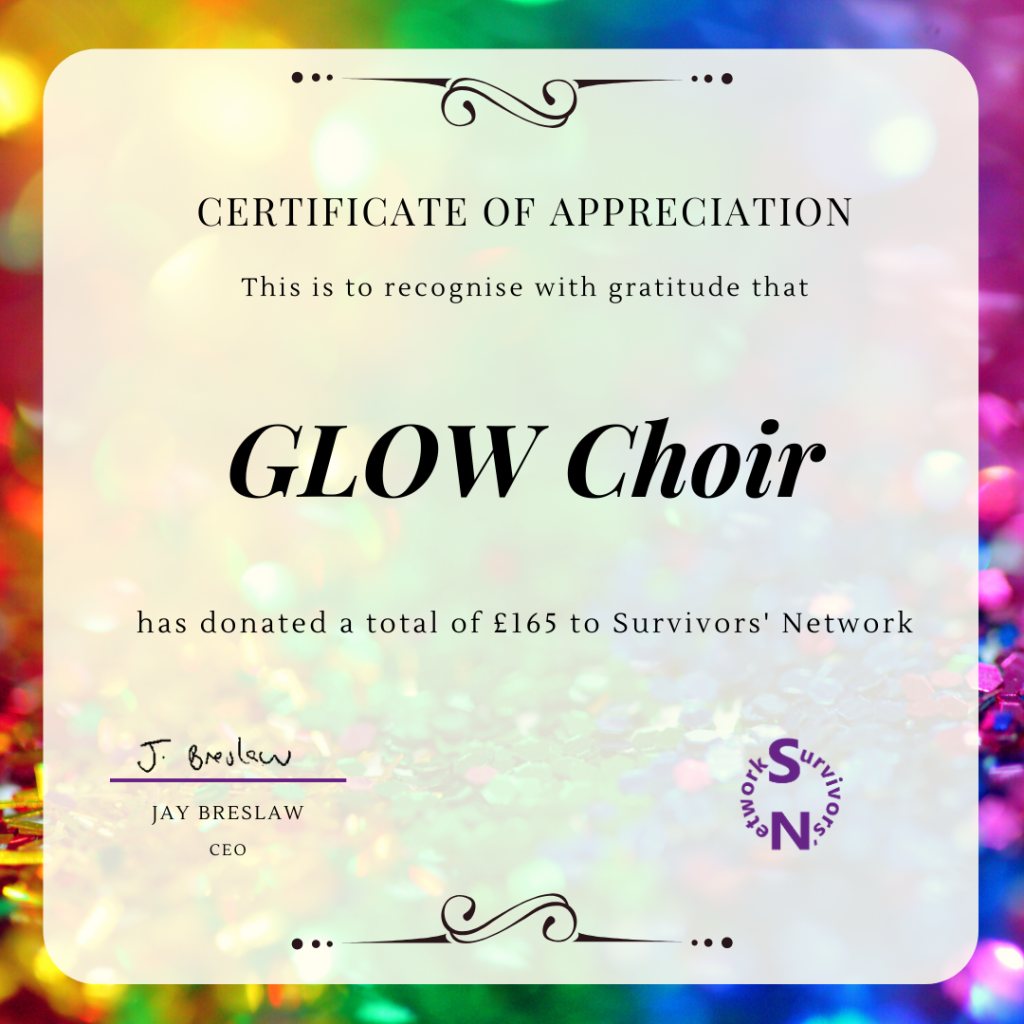
I hope you all have a kind, loving and nourishing Year Turning Time (or whatever you most need in this next piece of Winter), and I’m so looking forward to singing with GLOW choir folks again in 2020!
See below for the dates and deets for GLOW Choir Spring & Summer Singing Term 2020! Plus some tea wisdom, for good measure. I hope to sing with you all again, soon and with full heart and voice.
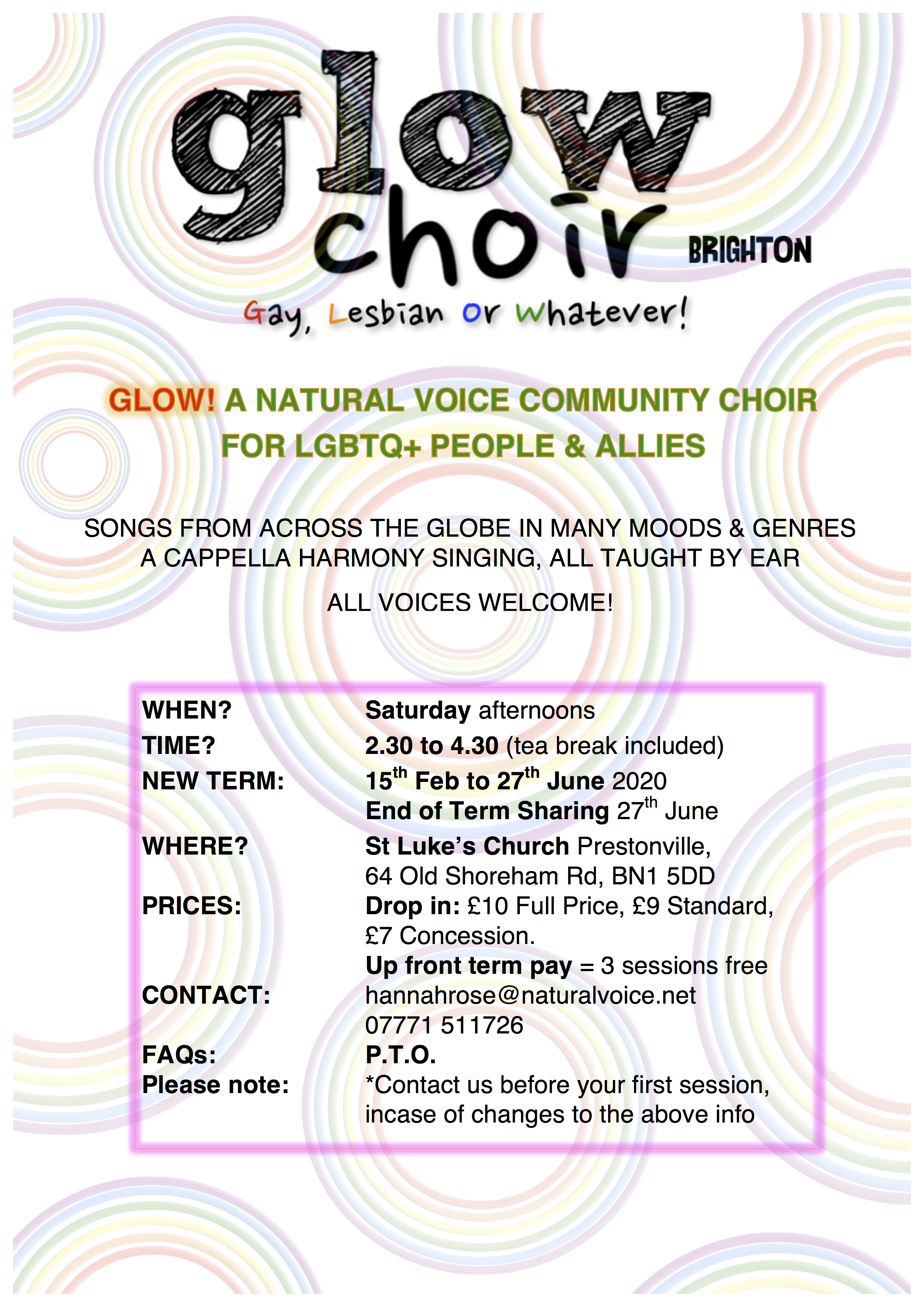
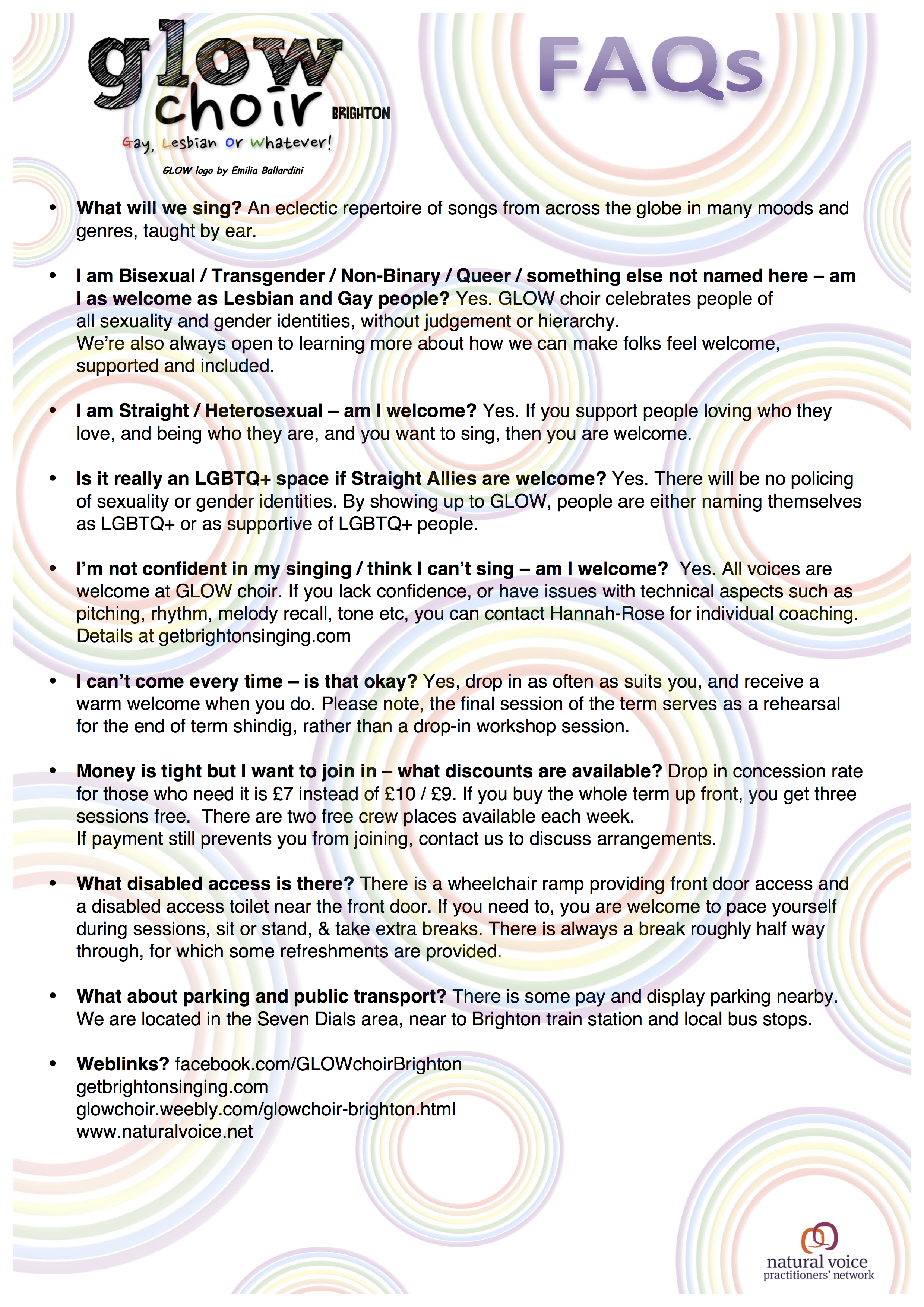

Also – there is an EXCITING GIG coming up! Packpins & Friends are bringing you some musical magic in support of Justlife.org.uk
Come and brighten up your January with musical fun at St Luke’s, in that long January gap before glorious GLOW choir ing starts up again!
See below for details and at the facebook event: https://www.facebook.com/events/379282352876508/

Kind wishes to anyone reading this and to everyone else too. May love and song be with you xo
Excuse the facebook-post-style writing style of this blog post – that’s because it was a facebook post I decided to add to my blog. Read on if you’re interested in Yoga For M.E., the Yoga For M.E. class at Cornerstone Community Centre Hove on Monday afternoons, and the ramblings of a person with M.E. who has just started teaching yoga again after a break. Begone, if that doesn’t appeal to you! With love, Hannah-Rose xo
Really enjoyed teaching my 15th and final for this year Yoga For M.E. class. Wasn’t sure I was going to make it due to various health things, but it all worked out great, thanks to various things. Wohoo!
Next week Dec 16th, the class will be led by my co-teacher, Becky, and will be 2.00-3.00 at Cornerstone, as usual. (with optional festive cuppa / mince pie etc after).
Then there will be a break for festive winter things, and then we start back again on 6th January, with a new class time of 2.30-3.30.
The teacher will usually be either myself or Becky, and we will each be teaching roughly half of the classes next year.
Classes will be weekly except for bank holidays when Cornerstone closes, and will be 2.30-3.30.
Class costs just £5 (half the price of the average yoga class in a city these days) as it is part funded by the M.E. Society.
We are in the same room on the ground floor, and there is a lift to the toilets, and mats and some props available.
The class is for people with M.E., but may also be suitable for other folks with ‘similar’ conditions or who have various reasons for being very much in need of this particular yoga space. If you’re not sure if the class is for you (eg you don’t have M.E., or have a concern about class suitability/accessibility), you can contact me, Becky or Cathy (flier with contact deets coming soon) to inquire about it.
It’s been an amazing experience to start teaching yoga again this year, despite the continued M.E. symptoms and experience. In January this year I read a question prompt, “what would challenge/scare you this year (that would be of benefit to do)?” and I thought, “teaching yoga again would scare me!” – due to the health challenges and the challenges of being a professional on any kind of ‘yoga scene’, amongst other things.
During Jan and Feb I started to plot and research and brainstorm the yoga space that i would LOVE to hold, which would be fat positive, all bodies positive, suitable for some people with M.E. and suitable for some people with some other chronic health conditions, respectful, fun, heartwarming, and as devoid of bullshit as possible.
I kept brainstorming and researching and thinking about things – and then I heard about this class, and texted the teacher to say i was thinking of coming along as a participant with M.E., but also to say that i was coming along as research as i was thinking of setting up something similar at some point – just to be totally cards on the table and clear, and to also be clear that I wouldn’t do anything to clash or ‘steal people’ or in any way compete rather than support.
Attending that class – the first I’d attended in a long time as M.E. and a very low tolerance for ‘yoga scene bullshit’ had made it preferable for me to keep my practice just at home in solitude – gave me much food for thought, things that were good, things i thought should OBVIOUSLY be very different, and some little ideas about things…
I joined the mailing list, but don’t think I popped in again more than once as that particular teacher’s offering wasn’t exactly what i was looking for – or maybe i just still felt it was much better for me to do exactly as i needed at home.
After continuing to research, practice, write down ideas, talk to people who might be interested in the kind of class i was hoping to eventually set up (if practical energy&resources-wise), I eventually got a message from the class mailing list – and also forwarded from a friend (i think this was you, dear VP (name removed) – i really appreciated the prompt, thank you!) who didn’t know I was on the list, saying that the teacher was moving on from that class and that the organiser was looking for new teachers.
There then followed a lengthy process that has taken most of this year, of different teachers exploring leading the class, seeing how it works for them and seeing how the group responds to them, which for me included my first time back teaching yoga after a long break due to M.E.
Through the various ins and outs of that process, I’ve kept showing up to learn and teach, and 15 teaching-classes later, I’m a little bit back in the swing of teaching yoga, and me and lovely Becky are co-teaching the class (as in each taking roughly half the classes next year).
It’s still a massive effort to manage energy and symptoms around it, but one that I am finding that I CAN manage with care and inner-strength, I WANT to manage because i love doing this and believe in the positive impact it is having, and I LOVE to do because teaching this class feels like exactly the right thing for me to be doing at this moment, and well worth my spoons. It is rewarding, interesting and feels right. The community of people involved are friendly and caring. And it is very nice that there are also Becky’s classes that I can drop into as an attendee, for rest and reflection and learning and time-off being the teacher.
I am loving learning and growing, and offering something that brings people good / helpful / positive / interesting / nourishing / healing / respectful experiences (hopefully) . I’m enjoying learning from feedback and developing a skill I thought I had put down for good due to health. I’m really grateful for everything that’s happened in this process with this class, in the way that it has, and for the carefulness and caringness with which Cathy has orchestrated the whole process of sussing out who should be the new teacher(s).
Also very grateful for the wonderful RIJ (name removed) , whose conversations with me about yoga and life over the years of my complete break from teaching yoga, have been a healing and happy source of respite from the aspects of ‘yoga industry’ that are so incongruent and damaging, and made me happy to talk and think about yoga again without all the difficult associations of industry rubbish, scene rubbish, and painfulness of my body ‘failing’ and not letting me teach anymore, at least in the ways and frequency that i had been.
Also very grateful to darling CB (name removed) and darling RIJ (name removed) , who both came to my Very First Class Back this year to support me, and gave me helpful and/or encouraging feedback.
And massively – grateful to the regular attendees of this Yoga For M.E. class which has been running for I think approximately 20 years, for saying yes to having me as a co-teacher! And to brilliant Cathy, for doing all the hard work of organising the class (frankly the hardest and least rewarding aspect of any self employed Thing is the Organisey Admin faff, so having that all done by Cathy is bloody marvellous!)
Doing careful research, deep creativity, and all the things I do to prepare a class and develop a suitable format based on feedback and experience, has been a wonderful process, and whilst it requires spoons, it also informs my self care in positive ways; the research I continually do to help inform my teaching, also informs my practice.
And it is a pleasure to feel Of Service when classes give people a positive experience.
So, yeah. Happy Yoga Year To Me (sung to tune of happy birthday?! getting delirious – better go have a rest).
Here’s to many gentle, balanced, nurturing classes in 2020, held by me and Becky – I hope to see you there, if this is a class that’s suitable for you.
With love and breath and presence and kindness,
Hannah-Rose xoxo x
ps thanks for reading my rambly self reflective ramble whoever has done so xox
Hello folks! If you’re anything like me this festive season, you’re not interested in a pressured capitalist flurry, and plan on showing your love for your loved ones through presence (where possible) rather than presents. You might also be thinking of making a few carefully chosen purchases or handmade offerings for your close beloveds as another way to show love and care. If as a part of that you want to support local artists and/or important charity work, for any festive generosity you may be planning, please consider:
*Buying a Helping Hat!
Choose from what pre-made ones I have in for quickness, or have one specially made as you wish if you can wait longer and be patient. 50% of what you pay for this (postage excluded) will go to work at the crisis in Yemen via Save The Children Yemen or Oxfam Yemen, or you can choose another charity
https://getbrightonsinging.com/2019/04/29/helping-hats/
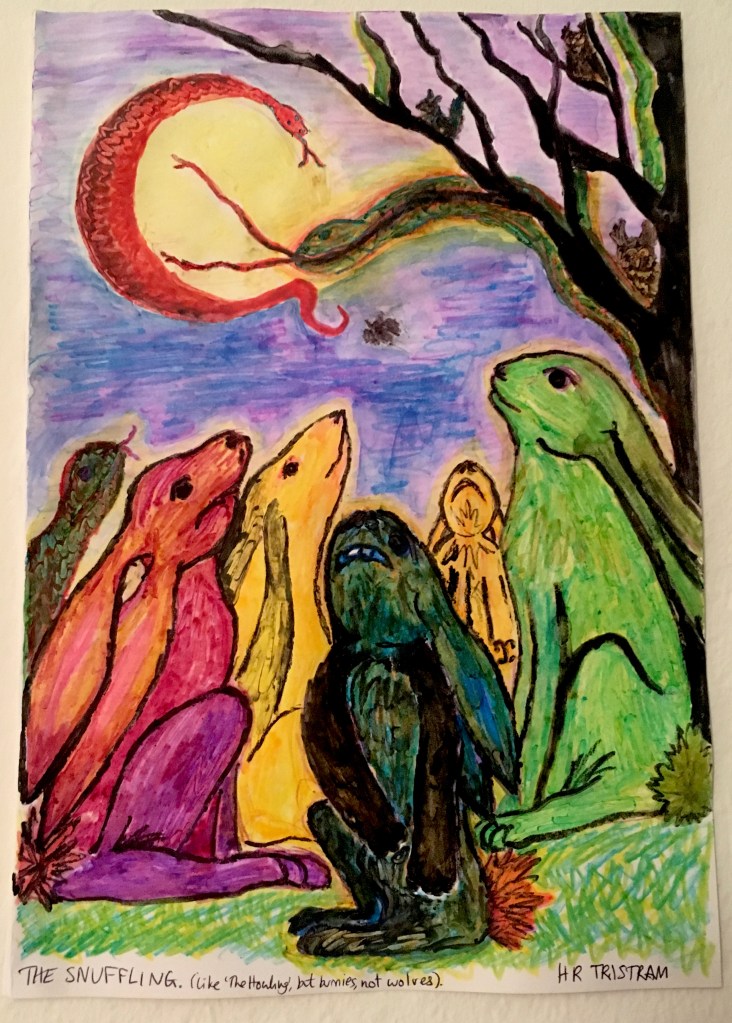
*Buying a print of some art! I can home print these for you or explore swankier printing methods (which will affect costs, I expect). 50% of fee, depending on extra printing costs, will go to a charity of your choosing, if it’s one I am happy to support
https://getbrightonsinging.com/art/
*Buying someone a Vocal Session! See details at getbrightonsinging.com You buy a number of vocal sessions (however many you like) for somebody you know would love them, I make you a personalised Vocal Voucher with their name which I send to you by email, so you can forward it to them or print it to give them by hand. They then contact me to arrange when to have their sessions. Please note that vocal voucher sessions take place during my normal days and hours at Hobgoblin (see website). The Vocal Vouchers aren’t a charity supporting gift, for practical survival reasons. However I am an independent artist doing creative empowering uplifting connective work with people, and you can choose to support this if you think you know somebody who would love a singing lesson or vocal coaching session! If Hobgoblin is unsuitable for your person of choice (it has stairs), tell me at the beginning of the booking process so we can look at options.

*Buying someone a session at GLOW Choir next term, or a whole term of GLOW Choir fun! GLOW Choir is a Natural Voice Community Choir for LGBTQ+ Folks and Allies, at which all voices are welcome. Give someone the gift of community singing, making wonderful friends, learning a cappella musics in a wide variety of moods and genres from across the globe, and a fun encouraging space in which to explore group singing and learn about their voice without judgement. Contact me for deets.
Those are my personal offerings, for support-local-creative-folks-and-global-charity-work gift ideas! Also if you have other friends who are artists of any kind, do see if they might have anything suitable for your purposes and wishes, and support small independent folkses rather than big evil corps, when you can (we’ve all seen the articles about appalling treatment of amazon workers, right? Let’s do what we can to avoid/reduce supporting things like that, and be resourceful elsewhere).
You might also like to come to GLOW Choir End of Term Sharing, a fiesta of community arts, from which 50% of the profits will go to support local charity the Survivors Network. At the Sharing, as well as music, poetry, improv, food and friendly folks, there will also be a charity craft table with items by GLOW choir members supporting MindOut and Autism Sussex, and more. Details here: https://www.facebook.com/events/1024435764599871/ And below:

On that same day as GLOW End of Term Sharing, there is a craft fair 11-5 at Friends Meeting House: The Visability Arts Winter Fair. With work by artists and Makers with invisible Disabilities/long term health conditions/neuro-divergences. The event sounds amazing! https://www.facebook.com/events/2192465227710261/
Big love peeps. Please prioritise love, human kindness and self care this festive season. xx
Just in time to celebrate Pride weekend in Brighton,
here is the whole-event video from GLOW Choir Brighton’s Summer Sharing June 2019.
Many thanks to Mike South for making the video!
And huge thanks to everyone involved for making it a beautiful day, and for permission to share this video.
It’s a very varied and happy gig – enjoy!
https://www.youtube.com/watch?v=cU5x8SwQWXY&feature=youtu.be
Congratulations GLOW Choir!
GLOW Choir and friends made lots of community arts magic at our recent End of Term Sharing! Congrats and big thanks to everyone who was involved.
As well as making some fun memories together, we also raised £95 for MindOut! Wohoo! Well done all, congrats and hooray.
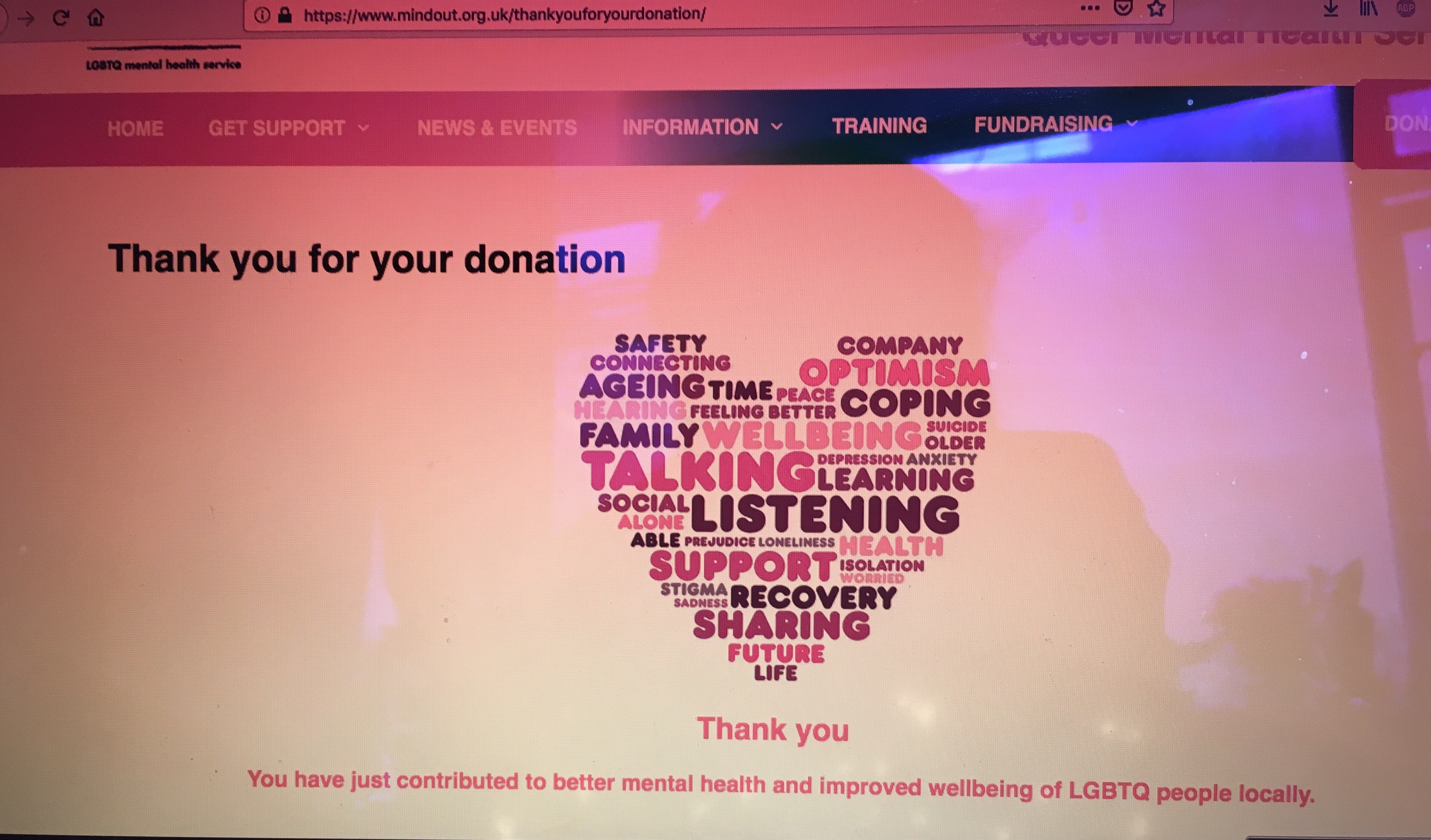
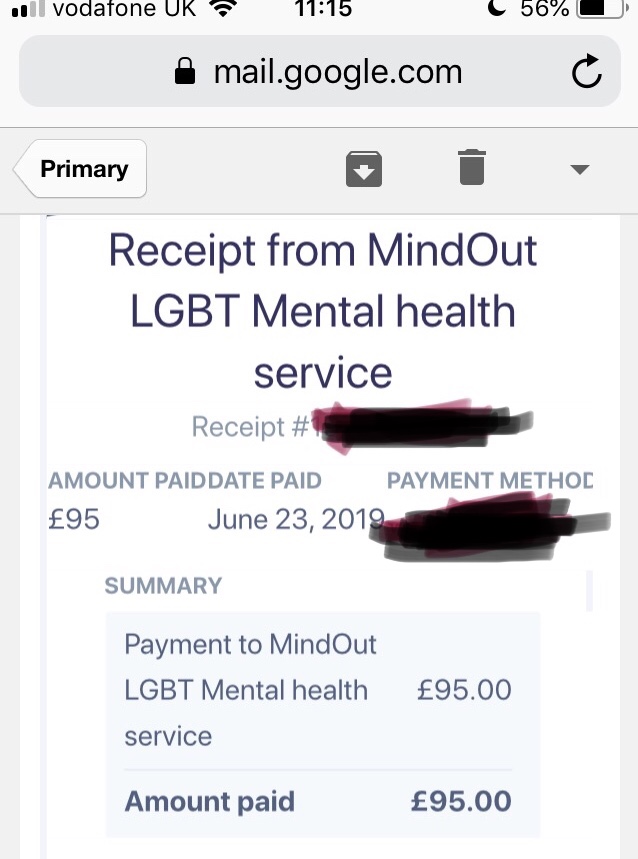
Huge thanks to everyone who attended and contributed in any way. Big thank you especially to Vicky for an excellent talk about MindOut, what it does, and personal experiences with it.
Thank you GLOW choir for being yourselves, brilliantly and brightly, and for everything you gave and made and did. Very proud of the GLOW! And thanks for bringing tears to my eyes, music to the ears of many, your voices and yourselves. Go GLOW!
Many thanks to Max Brown for this video!
The song GLOW are singing above, ‘Ain’t Gonna Let Nobody Turn Me Round,’
is a song from the American Civil Rights Movement.
As part of introducing this song, here is a quote
from an article by Azizi Powell, who said:
“Thanks to the unknown composers of the Spiritual from which this Civil Rights song was adapted, and to those who first adapted that song for use as a Civil Rights song. Special thanks to those who worked then and those who work now
for civil rights for all.”
We’re singing this song in an arrangement by Mollie Stone, of Village Harmony, who Hannah-Rose learnt it from. We asked for some suggestions from the audience for a problem they’d like us to sing about and integrate into the song…
Huge thanks to Neil Huntingdon for a plentitude of glorious photos!
And gratitude to everyone in them for permission to share them, and for co-creating a beautiful event.
MEMENTO PICS CAN BE SEEN AT THIS LINK: https://www.facebook.com/pg/GLOWchoirBrighton/photos/?tab=album&album_id=2242918119088902

Go GLOW! Looking forward to next term and already plotting wonderful sonic menus! New voices welcome. Details can be found at: https://glowchoir.weebly.com/glowchoir-brighton.html
Start writing or type / to choose a block
Start writing or type / to choose a block
Start writing or type / to choose a block
I enjoy making art. If you enjoy looking at art, you might like to see some of my personal creations. However please read the content warnings before you do.
CONTENT WARNING!!!!
Before you go to the virtual art gallery, please be aware that these art pieces contain:
Nudity, mythical and religious imagery, blood, wounds, creatures, and lots of magical symbolism.
If this may be inappropriate or upsetting for you, PLEASE give my art gallery a miss. Thank you!
If this sounds like TOTALLY your thing, then dive in and enjoy some art.
For some more specificity, to help you decide, you can currently expect to see in there: religious imagery, mythical & magical symbols, owls, snakes, cats, squirrels, human nudes, blood, words, swords, wounds, apples, hands, wings, sigils, sun/moon, fruit, skulls, flowers, and other such things.
If you decide it will be okay for you to view content described above, and you have taken on board the content warnings, and you’re pretty sure this content will not be inappropriate or upsetting for you, then I hope you will have a lovely experience looking at and interpreting these creations. Enjoy!
I am making Helping Hats, to support Oxfam’s & Save the Children’s artwork at the awful crisis in Yemen, and to support other charities too.


Find out more about what’s happening in Yemen and what work is being done to help, at these links:
https://www.oxfam.org.uk/what-we-do/emergency-response/yemen-crisis
https://www.savethechildren.org.uk/where-we-work/middle-east/yemen
Helping Hats project – what it is, why it is, how to get involved




Here’s how I decided to do the Helping Hats project (text from my original facebook post about it):


I have had a helping hat idea.
I had been wondering about making more hats (now my experiments are getting a bit neater and more reliable!) and selling them, as an extra way to support myself and also to raise funds for an important cause.


I had been thinking about raising for various important causes, such as a chronic illness charity, as one of the reason’s I’m making hats is as part of managing my own chronic illness. However I am most moved to support charity work helping those affected by the crisis in Yemen. So this is where I send the donations (50% of the price paid for any Helping Hat/Not-Hat), unless buyers prefer a different cause to be supported.



Weaving to ease worry. Hats to Help raise funds for those affected by the crisis in Yemen.
So, if you’d like to buy a hat from me, a bit like the ones pictured, for whatever you can afford between £10 and £40 (£15+ if possible), plus postage if I’m sending it to you, then once you’ve paid me I will donate half of what you pay for the hat, to either the Oxfam Yemen link or the Save the Children Yemen link, and send you my receipt so you can see it’s gone through. If you prefer a different charity to be supported i will certainly consider that, provided it’s easy enough to donate to and that i support its values.





Hats can be whatever colour you like, provided I have / can find / can afford the yarn. You can have hats especially made for you, or you can find out what pre-made hats I currently have available by contacting me.




For hats made especially for you, giving a rough head size is helpful. This would mean tape-measuring where you’d expect a winter hat brim to go – down to nearly neck at the back, diagonally up and forward to forehead at front. But if you don’t want to do a head measurement we can do our best with an estimate!



Hats currently take me two to three hours to make, and require buying yarn too, so speed will depend on what else I have going on and my varying circs etc.




An alternative hat style you can ask for is the pointy witchy hat (see pics below), or a taller hat with a pom pom on it (see various pics on this page). These are priced a little higher (suggested £30 – £50 or whatever you can afford near that price range), as these hats takes more yarn and time. If you can’t afford this price range, let me know and we’ll figure out what’s doable for both of us! Whatever you’re paying for the hat, half of that will be my fee and half of that will go to work at the crisis in Yemen, or your charity of choice.





You can also ask for finger-knitted Not-Hats, and see if I’m up for and up to making them! Such as the rainbow necklace, the flower, the ‘ocean splash’ bracelet, or the rainbow scarf below (prices for these are negotiated on an individual basis):




There is also the option of requesting a print of a piece of my art as a Helping Not-Hat. See art page for browsing. PLEASE READ THE CONTENT WARNINGS AT THE TOP OF THE ART PAGE BEFORE SCROLLING ON DOWN. THANK YOU!


Contact me if you’re interested in buying a Helping Hat and/or a Helping Not-Hat!
hannahrose@naturalvoice.net



Scroll down for a gallery of creations I have made as Helping Hats or Helping Not-Hats.





















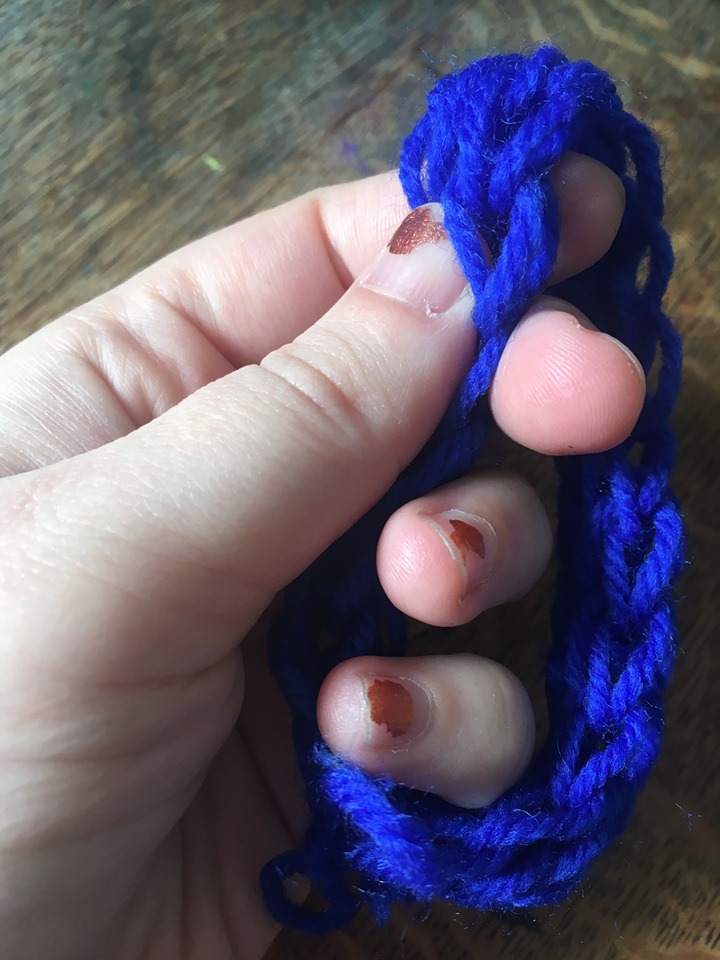
















































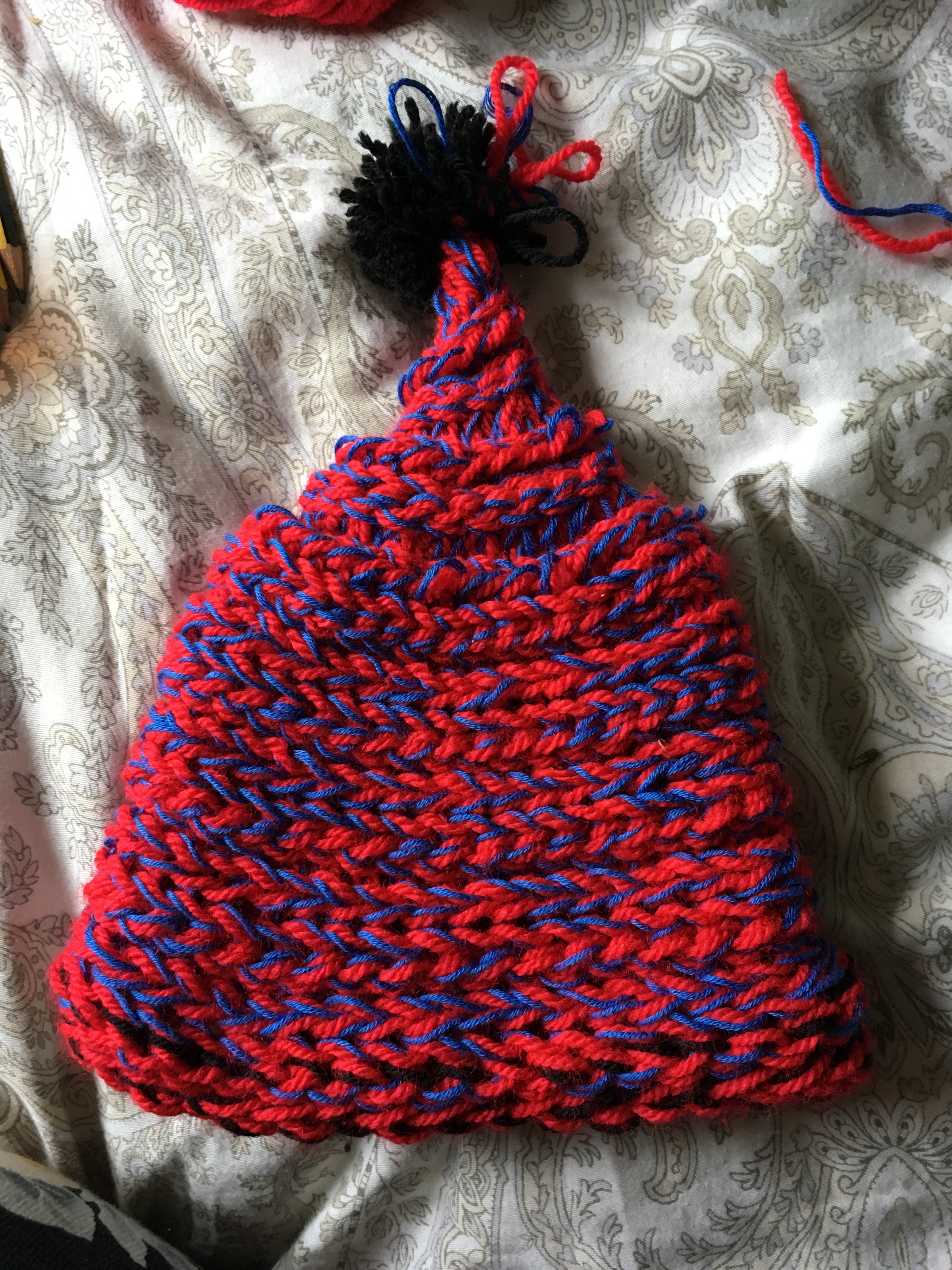























Don’t Comment on Weight
I would like to tell (or remind) people, that commenting on people’s weight, is almost always problematic, and can often be damaging and/or dangerous.
For anyone who has had issues with eating disorders, dysmorphia or body image, any comments about weight can be very triggering for their mental health and overall wellbeing. Weight comments can contribute to the forming of such problems too – no matter how benignly intended.
Weight related jibes and put downs, are obviously hugely problematic, and part of a wider social problem. But so too are weight related compliments, which are almost always ‘backhanded.’ If a compliment has fatphobic, patronising, dismissive or other such implications that shame or ‘concern-troll’ any particular body type, they are not actually compliments and do not feel like compliments, and they can play into some nasty power structures and mental health issues around body image, weight, health, food, autonomy, power etc. They can also trigger and contribute to disordered eating patterns and body image issues.
Regardless of the expressed attitude to ‘good weight/ bad weight / neutral weight,’ shifting the focus of an interaction away from ‘the person’ and onto ‘the weight of the person’ is part of a wider narrative that is very problematic, often dangerous, and riddled with all sorts of nastiness. If you can avoid playing into it, please do.
Validation based on weight loss, things that frame fatness as bad and thinness as good, gender stereotypes about acceptable shapes and sizes, things that patronise or validate people of any size because of their size, can all contribute to eating disorders, dysmorphia, and excessive focus on weight and size and shape; which hugely damages quality of life, is very bad for mental health, and can be part of a dangerous picture.
You cannot tell who has got ‘enough armour’ to be able to handle weight comments (eating disorders and body dysmorphia are not generally visible as they are mental health issues and can look very different on the outside from person to person). So basically, if you respect people and want them to feel good and be mentally and physically healthy, just don’t comment on their weight.
If you respect and care about people, don’t comment on their weight. Unless, I suppose, you are a body positive, fat positive, informed, up to date, respectful, well trained, caring, compassionate doctor; who understands eating disorders, the importance of mental health, and the actual impact or non-impact of weight, and weight comments, on specific physical and mental health issues; and are treating a specific health issue for which mentioning weight is definitely 100% relevant and not a way of brushing somebody off. If you’re not in that sort of incredibly specific and considered scenario where it is vital to bring it up, then just don’t comment on people’s weight. It’s almost always problematic, and almost never helpful or pleasant. And can contribute to dangerous mental health issues.
If you disagree, that’s fine, sort of. Just don’t talk to me about my weight then, and leave it at that. Except, if you could avoid damaging other people with your weight comments too, I’d appreciate that! I’m not interested in what you think about my shape or size, and I would rather you show you are interested in me, my experience, how I feel, how we can connect, and our whole selves.
One other side issue that’s related – being aware of how your own self-talk out loud about your body impacts those around you. If you are making a negative comment about yourself, which implies to somebody standing near you, that you want to look less like them in order to be ‘acceptable’, that can also be quite damaging! I know I was guilty of a lot of out loud negative self talk in the worst years of my eating disorder, and I’m sure that had a negative impact on people around me. Sincere apologies for that. And I can quite often experience it now the other way around – if somebody four sizes smaller than me is bemoaning they have too much fat and ‘need’ to get thinner, for example, right next to me, the implications of what they think of me are loud and clear. Whilst discussing yourself is different to discussing others, anything you say that frames some body types as better or worse than others, can impact the mental health of those around you. Be aware of it!
Something to think about, if you haven’t, or be reminded of.
So in conclusion – don’t comment on weight. If you want to show someone you care, find a better way to do it! Thanks for your time considering this.
There’s a tricky balance to find
Between making the most of each day
And taking care of your needs, acknowledging your limitations
Between living each day as if it was your last, savouring every last drop with vim and vigour
And taking care of your body and mind, acknowledging your need for rest and
processing, allowing for cycles of activity and rest
Between wild in the moment fun,
And careful future planning,
Between enjoying yourself with abandon,
And managing your energy,
Between commitment to the moment, full engagement with the current reality,
And awareness that it will pass
Between the boundless possibilities of your imagination, of the world,
And the limits of your human body,
Between what you want,
And what you need,
Between what you want to give to others,
And what resources you have available (energy, money, time, priorities, commitments, inclination, abilities…),
Between what others want from you,
And what you are willing and able to give,
Between resting enough,
And not disappearing – remaining yourself, remaining here,
Between doing enough,
And not burning out – leaving breathing space, yet having things to leave breathing space between
Between giving enough,
And keeping your cup from emptying – contributing to the wider world, but not at too great a cost to the part of it that is you
Between having enough,
And keeping your plate from breaking – you can have too much or too little of a good thing
Between what you must do to play the human world’s games, be part of it all,
And what you need to do for the survival of body, mind, soul,
Between the needs of your soul,
And the needs and limits of your body,
Between what you want for yourself,
And what you are currently able to do.
It’s a tricky balance to find, to explore, to keep, and to dance with (in chaos or in stillness).
Finding ways to make the most of each day, without burning yourself out
To give to others, without emptying your resources too far
To have fun, in ways/amounts that don’t exhaust you too much
To allow time for the rest you need, and also punctuate that with happenings
To play the social world’s games and be part of it, and also be true to yourself
To ‘yes’ and to ‘no’, to ‘maybe’ and to ‘don’t know’
To now, and tomorrow, and reflect and plan, and go for the moment
It’s a tricky balance to find.
LGBTQ+ Stories Project! 4. HR.
“Physical embodiment of whole hearted, blissful, magical, universal and very personal love.”
What’s the point of the LGBTQ+ Stories Project? Sharing people’s stories, increasing understanding, food for thought, busting myths, hearing individual voices, celebrating LGBTQ+ people.
So, the fourth in this series of LGBTQ+ Stories, is from me – eek! I thought I’d better put my two cents in since everyone else is being so brave too. I thought I’d be anonymous, but it’s so obvious from my answers who I am that I thought I’d better just jump in, and share boldly as HR!
Please note, I do mention a few tricky issues in this interview. I’m not sure what exactly to CW, as there are lots of topics touched on only briefly! Please also note, if I have presented my opinion anywhere as a fact, soz, it’s because I think I’m right. Do educate me, respectfully, on things you think I’ve got wrong / been blind-spot about!
Read on for my answers. If you’d like to take part in the LGBTQ+ Stories Project, email me on hannahrose@naturalvoice.net Ta!
* Tell me something about yourself, besides your gender and sexual identity.
I have a chronic illness. I love cats and cuddly dogs. I value music and silence.
* What does Love mean to you?
Connection. Acceptance and cherishing of somebody as they are. Beauty of art and kindness. Care for self and other. Mutual support and enjoyment. Honesty and trust. Warmth. Tenacious care. Giving space and being close. Loving consensual touch with kind intent behind it. Wonderment and curiosity at the everyday beauty of another human, of one’s self, of nature, of all of it. The fabric of the Universe.
* What is the role of Love in your life?
Community. Arts. Family. Friends. Relationship with self. Acts of kindness. Attitude.
* What words would you currently use to identify yourself, on the LGBTQ+ spectrum, in terms of your sexuality and your gender identity (and anything else that’s important to you in this area)?
Bisexual. Queer.
Mostly cisgender woman.
* What do you personally mean by these words?
Bisexual – I can experience romantic and sexual attraction to people of any gender, regardless of their gender. I personally have a slight preference towards relationships with other women, but my attractions and explorations and feelings of love are not limited to people of one gender.
Queer – umbrella term.
Mostly cisgender woman – I have had a slightly complex relationship with my femaleness. However I am not transgender, and would say that ‘mostly cisgender’ is the most accurate way to describe my gender.
* What do you wish people knew about what those words mean, in reference to you?
That ‘bisexual’ does not imply anything except that I experience attraction beyond one gender. Anything else people might think it means, isn’t coming from me, and if they want to get to know me they need to stop making assumptions, and ask me about myself instead! And listen!
* What myths/stereotypes about people who identify with those words, do you wish people knew were just myths/stereotypes?
Oh God, SO MANY OF THE MYTHS AND STEREOTYPES!
* How are these myths/stereotypes damaging/influential?
Hugely so, in so many ways. It took me years before I was comfortable labelling myself at all, because the word ‘bisexual’ comes with so much heavy baggage of stigma and biphobia. Despite loving, feeling attracted to, having sex with, and having meaningful romantic relationships with people of various genders and sexes since my early teens, I did not feel comfortable using the word bisexual until my early 30s. This had a really negative impact mentally, in terms of how people could relate to me, how I relate to myself, my sense of existence in the world, my ability to express my experience, my ability to find solidarity with others like me, my ability to call out problematic stereotypes and biphobia, my ability to ask for rights as a person who experiences attraction beyond gender, my ability to seek relevant help when needed, my ability to feel understood and respected, and in many other ways.
Many of the biphobic myths also contain other problematic things too – like sexism, transphobia, slut-shaming, general dismissiveness…
Decent Bi representation and education, widely available and accurate, would have been very much appreciated when I was a lot younger! Not just for me to understand myself, but for others to understand me too, and for all LGBTQ+ and Straight people to understand each other and themselves better. Decent LGBTQ+ relationships and identity education should definitely be part of “Sex Education” at school, in my opinion.
* What are some of the best, and worst, experiences you’ve had (that you’re happy to share) in relation to your gender and sexuality?
Sexuality – Best – Cor! Physical embodiment of whole hearted, blissful, magical, universal and very personal love. Swimming naked in the black sea with a woman I had a huge crush on, singing from the black sea up to the stars with her beside me… feeling like I was living a poem. My first experience of love and sex with a woman, and our connection, her saying to me, “you’re like oxygen!” Finding exciting connections with people, with all their different qualities and beauties and expressions. Exploring myself in relation to others, intimately, and exploring others in relation to me, intimately. Expressing physically (and in word and action and art), the exquisiteness of existence, as embodied by some particularly beautiful / compelling people. Learning what I do and don’t like in bed, and becoming more assertive about it. Learning to undo the cultural training about how people of my gender&sex are supposed to be in relationships, and to begin to write my own rules, in cahoots with (or at odds with) the various lovers along the way. Playing music with a lover, as another means of connection and love. Tango dancing with a lover. Little daily expressions of love. Helping to showing other queer people that their queerness is okay, and wonderful. The transformational nature of some romantic and sexual relationships. Dancing and feeling powerful in my dancing body, and alive in connection with other dancers. The ex lovers with whom I am now a particular quality of good friend. Sense of meaning and beauty and exquisite joy. Opportunities to be deeply known, and to hugely grow.
Sexuality – Worst – Ugh. Non consensual behaviour, and lack of understanding about what consent really is, mostly from cis men. Stereotypes proliferated in ‘opposite gender’ relationships that I felt pushed into fulfilling. Controlling / judgey / traumatic / triggering / unpleasant / awkward / exhausting / disconnected / abusive / nasty sexual and psychological experiences. Bad communications in relationships, particularly with men. The social training that men and women receive about relationships, and the way that this got in the way of decent connection, and self advocacy, in my relationships with men. People who withhold pertinent information (on purpose or not) until after you’ve had sex (e.g. they aren’t actually separated from their husband yet, STDs, they are actually engaged to a man but wanted to experiment before they got married, they have a lover in another country… – all pretty important things to tell someone before getting into a sexual relationship with them!). Countless times being harassed because I apparently look like a lesbian. “Oy are you a lezzer?” “Oy, you fucking dyke!” etc. shouted at me in pubs / on night buses / in neighbourly conflict over a noisy party, etc. A girlfriend’s father, who was very religious and very homophobic and biphobic, fervently calling me a “child of Satan” to my face, and not allowing me and my then girlfriend to spend any time alone together. Continuous subtle (& unsubtle) put downs from a boyfriend. Anxiety about having to come out over and over again. A boyfriend leaving the relationship because I became ill. Receiving hate from LG(b)TQ+ communities that have not overcome their biphobia yet. Lack of representation, lack of use of the word Bisexual as a valid identity in media for years (still a long way to go).
Gender/sex – bit long and complicated for here. Stuff to do with sexism, dysmorphia, anorexia, periods, the pill, sexuality, stereotypes of sexuality, health, weakness&strength, patriarchy, stereotypes of gender, trauma, sexual abuse, and lots more. There’s way too much to go into, but these days I am a mostly cisgender woman, who loves her body, bleeds regularly (finally – it’s been a long road), doesn’t hold with gender stereotypes she’s expected to keep to but has no inclination to, has to stomach the fact that some gender stereotypes match her experience, has gloriously hairy legs and armpits, and very much enjoys her juicy boobs and fat bum.
* How long have you used the words you currently use to refer to yourself? How did this come about?
Bisexual – only the last few years. I think this came about due to increased visibility of and awareness of bisexuality as a valid option. And also possibly due to moving to Brighton where more in depth and respectful discussions of sexual identity are more commonplace than elsewhere, in my experience. And maybe it was just finally time.
Woman – since not being a girl or a teenager anymore
Mostly cisgender – only learnt what cisgender means in the last few years. And I am not completely it, but am mostly it.
* What impact did your experiences around finding/exploring your identifying language (or not finding/exploring it) have on you?
A lot of stress and displacement. Followed by personal pride. Followed by various kinds of painful harassment and biphobia. Followed by, eventually, more personal pride again.
* Have you used different self-identifying words previously? And do you think you might use other self-identifying words in the future?
Yeah. Let’s see… for a while I said things like “I’M JUST ME! I’M JUST ME LOVING PEOPLE! STOP TRYING TO PUT ME IN A BOX!” Then for a while I said nothing and just got on with loving people regardless of gender/sex. Then for a while I said things like, “mostly lesbian, 80% lesbian” etc (a bit problematic, perhaps, I know). Then for a while, in a long term relationship with a straight man with whom I did not feel comfortable to express and discuss my bisexuality, I had, “I’m gay, the opera,” running in my head. Then for a while I think I probably said “bisexual” but with lots of quantifiers and question marks and upward tones and bracing myself for the onslaught of biphobia and stereotypes – which came in their hoardes. Then, finally, “Bi and proud.” With a brief coda of “NO, BISEXUAL DOES NOT MEAN THAT!” when people tried to change what Bi means, to be something transphobic / anti-genderqueer. And then another, proud, “STILL BISEXUAL!” with a cadenza.
* How well do you think you understand the various terms that other people use to identify themselves?
Quite well, with lots more to learn! I’m always researching, listening, reading and doing my best to understand.
* And how well you do think you understand the variety of different experiences that may be meant by the same word?
I think my personal experiences, and ways of thinking, equip me quite well to understand the potential for variety in this context. However that doesn’t stop me being curiously surprised sometimes when hearing different people’s experiences that I’ve not heard before!
* How much of an Ally do you see yourself as being for other people on the LGBTQ+ spectrum, whose identities / experiences / identity-word-uses are different from yours?
100%. I do my very best to support, respect, understand and celebrate everybody in their uniqueness.
* Could you think of anything you could do to be a better Ally to those mentioned above?
I’m always thinking of / researching / learning / being told new ways to do this, and I make every effort to do them as best I can! And I doubt I’ll ever cease to learn and improve as an Ally.
* Could you think of anything that people could do, to be a better Ally to you, and to those with similar experiences and identities to you?
Learn about biphobia; check your assumptions; respect people’s differences and people’s choices; listen to understand, not to argue.
* What are your thoughts about and experiences of ‘coming out’?
Multifarious.
* Do you need to take a breather before answering the rest of the questions? If so, please do! Otherwise, carry on!
Yeah, cuppatime. [Note – I did not stop and have a cuppa. Bad pacing, HR!]
* What are some of your pet peeves?
Rudeness, insensitivity, unkindness, cruelty, bullying, bulldozery behaviour, pushiness, teasing (it’s basically another word for bullying), people playing nasty mindgames. Also, the symptoms of my chronic illness. And the weather being too hot. And insects that bite me. And when I want to do something, but can’t. Being misunderstood.
* What are some of your daily joys?
Singing. Animals. Trees, grass, sky, flowers, green. Rain. I love rain! Rainbows are pretty good too. Fresh water. Connection to friends. My work, which I love. My yoga practice. Playing my flute / other musical instruments. Writing. Reading. Laughing with friends. Improv comedy with Short&Girlies. People who ‘get’ me. Expressions of love well received. Consensual hugs. Boundaries. People you can be frank with. Learning. Sense of achievement. Fresh air. Warm bath. Managing to do a thing. Chuckling to myself about nice memories.
* What is a mistake you’ve made?
Hmm… I once posted on facebook when I had taken my Mum to A&E. In hindsight, I should not have posted about it, as Mum wasn’t awake for me to ask if she minded people knowing she was in hospital. It was a selfish move – I wanted sympathy/support. I also once said no to a flatshare with somebody for a very, very shallow reason. There were other reasons too in the end, but reflecting on it I feel guilty and sad about my kneejerk response back then – and glad I’ve come so far that it would be the last thing on my mind now!
* What is something you’ve done really well?
I’ve set up and continued to hold a really beautiful community space, amidst very trying health issues, which I’m very proud of and nourished by.
* What is something that surprised / amused you?
Musical improv with the Short&Girlies. Surprised and amused at all of it – the stuff that came out of me, and the stuff that came out of others!
* What do you struggle with / find really hard?
Saying no, setting boundaries and keeping them. I’m doing quite well at this now but it’s an effort and something I still have to work on – especially as my energy resources are much lower these days.
* What could you ‘blow your own trumpet’ (in a positive way) about? For example, a top strength of yours that you could be quite proud of, something you did, etc.
I think I’m quite good on emotional intelligence, and communication. It takes two though, for good communication!
* What is very important to you?
Respect, love, honesty, kindness. And a space to retreat to when it’s all too much.
* What other words could describe you, at the moment (in any way at all)?
Still wearing my coat inside, because it’s cold but also because I got caught up in writing this and haven’t bothered to rearrange myself for comfort. I’ll sort that out now.
…. Now, a bit more comfortable. Listening to music. A bit on edge – channeling that energy into answering this. Grateful for friends, family, a space to call my own for a while, work I love, and support in managing my health condition and having a good enough life. Listening to and loving and imbibing and outpouring music, at all turns! Except when being quiet / too exhausted.
* Tell me about your experiences of LGBTQ+ Community Groups, Scenes, and/or publications, positive and negative (negative comments may have names edited out).
I sang with an LGBT choir in London for a while. The music was epic and a fun challenge; but I did not feel safe/welcome to be ‘out’ there as a bi person. If I had been dating an opposite/different gender person, I would have felt even less so. I was also hoping to meet a partner there, and did find that most people were a good 20 years older than me! Which is fine, but not what I was looking for, partner-wise.
There was an LGBT society at Uni. I found it quite heavily oriented around drinking, a specific type of partying, and aimed more towards gay men then lesbian or bi women. I didn’t enjoy it much.
I got involved with the LGBT Forum at a town I lived in for a while, which felt like a quite productive and socially responsible space, but was very small, and almost entirely made up of gay men, so not very balanced in terms of the spectrum of LGBTQ+ people. The Forum was a very good thing (we even went to London Pride together, and I think I met with some of them at an LGBT Rights for Russia March too if I remember rightly), but I wanted to spend meaningful time with more queer women and couldn’t find them at the very male-dominated LGBT Forum.
I frequented a vibrant queer pub in London for a while, which was an epically decadent and wonderfully “anything goes” type space, in which lots of great performances happened and queer camaraderie occurred. I found the levels of overt sexualisation at this pub a bit overwhelming/forward though; receiving texts from women I’d just met, saying, “I want to have sex with you,” or people doing cunnilingus mimes at me across the room, was not the sort of dating life I was really after. I’d rather have had a dance, and a great chat over a cuppa (somewhere I can hear what someone is saying helps too!), and gradually move onto the aforementioned sexy things after that, once a real connection has been made. So the scene there was very sex-centred and unabashedly forward, and I found it hard to engage with when I wasn’t in the mood for that sort of vibe. I wanted to engage with an LGBTQ+ scene, which wasn’t all about drinking and immediate sex and such, and was finding it hard to find the right place for this. I would say that my later move to Brighton, and participation in and running of queer community activity groups, has now very much ticked that box, and I can spend lots of time with lots of wonderful queer people, without feeling pressured to get drunk or have sex that I’m not into / sure about.
I remember when I used to buy magazines for lesbian and bi women (regular magazines, not porn, although they sometimes got put in with the porn mags, despite mostly being about politics and cats and musicians in tweed) in my local WH Smiths in London; the people on the desks would usually give me some filthy remark with it, and I would blush and keep my eyes down. In the year that same sex marriage became legal in England, I remember thinking, “fuck it, the law’s on my side now, I’m gonna look these fuckers in the eye,” and not taking any shit when I bought my Queer mags from then on.
I remember singing with GLOW (Gay Lesbian Or Whatever) choir at Unicorn voice camp, and loving the experience of it, whilst also essentially coming out to hundreds of my colleagues in the Natural Voice Network in doing so (whilst I have always dated people of varied genders/sexes, I had only ever happened to bring men to Unicorn camp, and had not been vocal about being Bi, so people had assumed I was straight, I think, and seemed surprised when I started singing with the GLOW choir).
I lead an LGBTQ+ & Allies community choir in Brighton now (also GLOW – in homage to my experiences at Unicorn, and with permission & blessing from the wonderful GLOW Unicorn leaders, founders, and bringers of the GLOW to other places!). Holding this space, and keeping my place within it as a Bi person, and learning about the people in it and how best to serve them, is an honour, a wonderful learning curve, and something I believe deeply in, and am wholly committed to.
One of my teen relationships was with an American girl from Boston, and when I was visiting her, I attended some Gay-Straight-Alliance sessions at her school. These were quite illuminating, and not something I could have imagined happening at any of the schools I had attended in the UK at that time. It was also quite striking alongside some extreme homophobia and biphobia I experienced on that visit.
I could go on but I think that’ll do for now!
* Has sexism had an impact on your life, that you are aware of? In what ways?
Yes. Of course. Too many ways to number. Too tired of dealing with them all to put many here. But, recently, things like, being touched-up on the arse by a male electrician, in my own home. Not being believed when I reported this to the company he worked for, and he then denied it. Police not being any help in that matter, and in fact being pretty stressful to deal with rather than helpful. Being hollered at and creepy-chatted-at in the street, by men, on many occasions when I’m out walking alone or with other female presenting people (not when I’m with a male presenting person – nobody generally harasses me then). All the money that has to go on menstrual products – a nightmare for many cis women, as well as other people who menstruate. Being harassed aggressively in the street if I show my legs / armpits, unshaven, in public. Having to dress in ways that hide my body hair, and hide enough of my cleavage, because if I don’t it will be read as wrong / gross / a sexual statement / a reason to be harassed. Being taught culturally that, due to my sex, I ought to be skinny, small, agreeable, nice about awful things, and generally not take up space or look like an adult. Being talked down to. Dismissiveness from the police when reporting harassment. Dismissiveness from doctors when discussing my chronic illness symptoms. Many things.
* Are you proud of your gender identity, your sexual identity, and/or any other aspects of your identity?
Hmm. I’m proud to have come this far, to where I’m at today, in terms of self love and self acceptance.
* What other things do you feel about your identity?
I feel proud to have come to place where I know and accept who I am and what I want and don’t want, and in which I take less shit for being who I am. I also feel like a lot of my identity has been changed for me against my will, by chronic illness and hormones. I learn to go with the flow with that, as much as I can, and it’s a strong teacher.
* What are you grateful for about your identity?
Variety of experience. And perspectives.
* What else are you grateful for in your life in general?
Music, community, friends, family, skills I’ve learnt that I can develop and use for the good with integrity, support, kindness, love, progress. Places to express.
* What things challenge you in your life and hold you back?
Illness. Fear. Illness.
* What would you do differently if you could go back and re-do any moments in your life?
Any times that I have said or done things that caused people harm, and that did not serve some good purpose in doing so, I would go back and change those.
* What would you like to prioritise in your future?
Love. Kindness. Arts projects. Community. Music. Space to reflect. Health. Those people who lift me up.
* Is there anything you’d like to say to other LGBTQ+ people who might be reading this?
You deserve to be respected and accepted and celebrated, for who you are, as you are, right now.
* Is there anything you’d like to say to your Allies (of all identities, including straight and cisgender, and all the variety of the LGBTQ+ spectrum) who might be reading this?
Thank you for listening, doing your best to understand, and for any and all acts of support and respect and celebration!
* Is there anything you’d like to say to people who are not Allies to those of your identity yet, who might be reading this?
There may be a reason you find it hard to understand people like me.
Maybe you’ve had a bad experience – for example, someone who identifies as Bi and who treated you poorly. No-one should be treated badly, sorry if you went through something like that. However, know that their poor treatment, is not a trait that is to do with being Bisexual, or what all Bisexual people are like, it’s to do with being that individual person.
Maybe it’s ignorance – which can be remedied by listening to understand, rather than listening to reply/argue. Try listening to a Bisexual person describe their experience – and really listen. And remember we are all different. Try doing some reading about Bisexuality, written by Bisexual people. Bisexual people are all different, and are all unified in having some experience of attraction beyond gender / to more than one gender. Traits beyond that are individual – not collective.
Important things to remember if you experience prejudice / blind spots (which I think we probably all do, in one way or another):
* Do you feel like you have Allies, who don’t identify in the same way as you, but who do support you?
Definitely! I’m lucky to know some wonderful folks, who don’t identify as bi and who are supportive and celebratory of this bisexual person here!
* If so, in what ways do they support you?
Words of affirmation; body language and energy when discussing sexuality; warm smiles; general positive engagement with me about life in general; engage without dismissiveness/judginess when bisexuality is discussed; probably more ways too that I can’t think of right now.
* And are there other ways that you’d like support from them?
Kindness and respect are always appreciated!
And in relation to my chronic illness, learning about it is highly appreciated!
As are offers of physical help/sensitivity – e.g. thinking about triggers like temperature / noise / bright light / physical exertion; e.g. offering physical help with practical stuff; e.g. allowing short rest breaks when socialising; e.g. being understanding and supportive when I need to bow out of things due to health; e.g. learning about the nature of the illness I have, and how awful it feels when some inappropriate/dismissive things are said!
* Do you have any thoughts on ways (local or global, small scale or large scale, right now or long term etc.) to make progress for LGBTQ+ people?
The situation is so strikingly different in different parts of the world. There needs to be safety, rights and equality for LGBTQ+ people worldwide, but there are still places around the world where LGBTQ+ folk can currently be killed, imprisoned, or treated appallingly in various other ways, due to who they are. I don’t know how to tackle this as individuals, but I think looking to organisations who might work in this area could be a good start, and supporting them.
In the parts of the world where physical violence and prejudice against LGBTQ+ people is a bit less systemic and comes more from individuals, such as in parts of the UK, the issues that need addressing can sometimes seem subtler or differently complex. E.g. respect within LGBTQ+ communities for the variety of people wanting to take their space in them; the importance of intersectionality; occurrences of racism and ableism in queer scenes/communities; championing rights for everybody alongside each other, not against each other; transphobia and biphobia in LGBTQ+ communities; continuing to fight for gender equality for everybody of all genders and sexes… There’s a lot to be done!
For me personally, I do my best to listen and learn and act accordingly, and proactively, day by day; in both my personal and professional life.
Globally, I think supporting human rights organisations is probably helpful. I’m not sure how much power we have from different countries to influence other countries for the wellbeing of their LGBTQ+ people, but I expect something is probably better than nothing. There are lots of online petitions and donation-based projects and open letters to leaders and such that people can participate in. It’s hard to see whether these make a difference. Various organisations are doing their bit – here’s a starting point from Stonewall https://www.stonewall.org.uk/get-involved/get-involved-international/international-work
* What’s been playing on your mind recently?
Tunes to play on the flute. Which people and activities/tasks to prioritise. Future.
* What makes you laugh?
Improv; friends; animals; tv; books; memories; daily domestic funnies.
* How do you handle big emotions?
Breathing, writing, walking, lying down and being with them, yoga, dance, sing, play music, talk to someone, engage with it, distract from it, crying, air, grounding.
* What does your support network look like, if you feel like you have one?
Lovely friends and family, community around group activities, and online community.
* How important is it to you that people know your gender/sexual identity?
Quite important that that know and respect it.
* What does a supportive, welcoming environment for people of your identity, look like to you?
Freedom from stereotypical tropes and assumptions. Bi people not being an afterthought, but an equal part of the conversation.
Re disability, low not-bright lighting, not too hot, source of fresh air, chairs, place to lean head, place to lie down and have breaks, understanding that closing eyes and zoning out for a minute is part of managing energy and functioning well, understanding that what is visible is not the whole picture at all. Toilets and water source within easy reach (eg not ‘miles away’ upstairs).
* What experiences of discrimination have been formative for you?
They have taught me, in painful and draining ways, how to find and stay connected to my sense of integrity, even when it feels like I’m shouting on my own into the wind.
* What experiences of celebration and validation have been formative for you?
Friends who ‘get it’, or are good at listening, empathy and celebration. Doing improv with lots of other wonderful women, many of them queer. The wonderful people who have shown up at my LGBTQ+ & Allies Choir, and been vibrantly themselves, without bulldozing anyone else in the process. People online who get it. The wonderful Abigail who co-founded Bi Pride UK with me in the early days (and still does amazing things with the now-charity! See link https://biprideuk.org/about/). Singing on Village Harmony Choir tours, feeling free and in touch with the flow of the world, and happy to love and be loved, regardless of the “set paths” we may or may not follow; and holding hands, singing barefoot in cold stone churches, kissing in beautiful rivers… Experiences of freedom, joy, sensuality, understanding and togetherness. And some great conversations I’ve had in recent years.
* What do you wish the world knew (in relation to LGBTQ+ people, or other things)?
We are people, just like you, and you. We are equal to others and we deserve equality. We feel, we need, we hurt, we bleed, we love, we feed, we play, we cry, we try, we are humans, just like you. Please treat us, and everyone, with due respect and basic human rights.
* How do you think things have changed for LGBTQ+ people in the last 5 years, 10 years, 20 years, 50 years, century, and beyond?
Hugely. Hugely, and mostly positively. But there is a long way yet to go, before LGBTQ+ people are safe worldwide, and treated as the equal, brilliant humans that we are. I’m hugely grateful for all the work that has been done, that has paved the way for the liberties I enjoy as a queer person today.
* Who are your LGBTQ+ heroes, if you have any?
All the notable historical figures. But I have personal heroes. Many of them queer women, musicians, singing teachers, choir leaders, singers, artists, walkers off-the-beaten-track, in many ways besides sexuality and gender. My personal LGBTQ+ heroes might not be happy to be named here, but they are many and they have all had a deeply positive and strengthening effect on my life. Some simply by being who they are, and existing. Some by their actions of generosity and encouragement towards me directly. And all the average-queer-people leading their ordinary extraordinary queer lives, and showing that it can be done. You are all my heroes.
* How would you rate your LGBTQ+ history awareness?
Not nearly as good enough as I think it should be.
* Where do you / would you go to look for information about those whose work has paved the way for some of your more positive experiences as an LGBTQ+ person today?
Online. Museum exhibits. Bookshops. Gay’s The Word.
* In what year or decade were you born?
1986
* In what way do you think that your age and the social/cultural timeline you’ve been part of, have influenced your experience of being an LGBTQ+ person, and your life in general?
Lots. In the culture and country I’ve grown up in, the acceptance of, and treatment of, and language around, LGBTQ+ people, has changed dramatically in the last century. Experience for LGBTQ+ people still stinks of prejudice from many different angles, but we do have a lot more safety. My ability to speak openly about these issues, and to form a large part of my career, publicly, around supporting and creating community for LGBTQ+ people and Allies, is only possible due to the relative safety we have in this country at this time. To do so in some parts of the world today would be unthinkable and very dangerous.
The hard work of LGBTQ+ people before us, has laid the groundwork for us today to be able to go into more depth to express who we are, and there is a lot more language widely available to people to describe and discuss their experiences of sexuality and gender. This is a very good thing! It does mean that there is some confusion / fast learning / language policing / misunderstanding going on, and lots of learning and adapting for people to do who want to understand and be kind to others and themselves. This can lead to a tendency to petty “in-fighting” between people in the LGBTQ+ community (especially online), which is a shame, as the bigger picture, of us all working together to improve experience for everyone in our big queer boat, can be lost. I think we of today’s most vocal LGBTQ+ communities (again, especially online) sometimes need to remember that it’s less important to be right than it is to learn, to be connected, to be respectful and to be kind. And to both hear, and be heard, in a balance.
I have purposely put myself in a bubble in queer friendly Brighton, and going elsewhere in the country definitely can feel less LGBTQ+ friendly. I think experience for LGBTQ+ people varies dramatically location to location, but that the internet and social media have created a haven for connection, support and understanding (as well as bitchy in-fighting!) for LGBTQ+ people. Because of social media, and the ability to connect far and wide instantly, we can learn fast as a culture and as a more global community. This can be overwhelming, but is mostly very exciting for progress on LGBTQ+ issues, I think.
* In what way do you think other aspects of your identity have influenced your experience of being an LGBTQ+ person, and your life in general? (For example, race, class, sex, disability, privilege, body type, and any other aspects of who you are and what’s been going on around you in relation to it).
I definitely think other “normalising” or “othering” factors can play into some of the ways LGBTQ+ people are received, by different people, in different circumstances. Sometimes people who are ‘outside the norm’ in additional ways to being LGBTQ+, can be badly received if they have “too many” other traits outside the expected norms that are glorified & acceptable in our culture. Fatphobia, ableism, exectations for gender presentation….
I certainly felt for a time that as long I was “skinny”, I could ‘get away with’ having hairy legs and enjoying sex and love with other women, and being outspoken about things I perceived to be wrong about our culture. But if I was fat as well…. well that would be too many “outside the glorified centred norm standards” at once, and I would be ‘unacceptable’! As it turns out, I did eventually get fat, due to chronic illness, hormones and loving my body, and it turns out that I don’t give much of a shit what people who judge me on such things think of me! Well, I’d like to not give a shit, but I’m a sensitive soul, so I’ve found I need to put myself in more situations where people understand and respect queerness, fatness, chronic illness, and celebrate and respect understand these various facets that make up important parts of my experience and identity now.
I do speak to a lot of people who don’t understand chronic illness, and a lot of people who fear and frown upon fatness, and that can be quite draining. Those are people with good other qualities though, and I do my best to communicate well and also protect myself. I don’t spend time with many people who would criticise my queerness though. I keep my hairy legs mostly under wraps but…. I’m rambling.
I also think that my areas of privilege have made it much easier and safer for me to express myself as an LGBTQ+ person, such as being white, having some financial support, having a good education, and having accepting parents and family.
* What brings you comfort?
Hugs, joyful chats, dogs and cats, baths, cocoa, music.
* What does hope feel like to you?
Bright, beaming, energy, connecting between me and the universe’s possibilities, and showing me a path, or a light around the corner.
* What does home mean to you?
Safety. A space I can retreat from everything and everyone, and do what I need to do. A private cave. People nearby who I love, and who love me. Community of people in one geographical area, in whom I have faith and trust and fun and deep connections. Green grassy hills, bluebell woods. Family. (ideal world, would also be fireplace, cat, partner/bestie next door, woods and trees and garden… mmm!)
* How are you feeling right now whilst reading / answering all these questions?
Quite tired and overwhelmed, and achey, and hoping I haven’t got anything too wrong or made any big bloomer faux pas in my answers.
* What has life been like for you in the last month?
Very up and down. My dear Grandmother Rosemary died in January, I was very ill for most of February, these things have been very hard and deep and big. I’ve also been very Up with creative momentum, moving forward with projects, doing what I can do, and enjoying some close friendships that bring me much delight; enjoying teaching; enjoying writing and making music; enjoying the fire of action and the water of flow; the earth of rest and pacing; and the air of creativity, and the warmth of the love of my closest friends, my singing community and other communities, and my family. Dancing with grief, illness, joy, motivation, exhaustion, fun, and allsorts, in a strange sort of contemporary dance style.
* What else would you like to say in this interview?
I really hope that nothing I’ve said has been taken ill or caused upset. The last thing I want to do is cause harm or upset to anyone, or to create division, when what I really want to do is create deeper unity and understanding between people. I hope that in sharing my stories, and other people’s stories, I can celebrate unique voices, and increase understanding of the variety of people out there who are LGBTQ+
*
So, those are my answers to the LGBTQ+ Stories Project interview questions. Phew! I hope you’ve found them interesting to read.
If you are an LGBTQ+ person reading this, and you would like to take part, please email hannahrose@naturalvoice.net If you’re not sure whether LGBTQ+ includes you, but you think that it might/should, please do contact me too!
If you have been affected by any of the issues covered here, please do reach out to the relevant professionals for support. You can see a list of some relevant organisations at the bottom of this document.
If you think any organisations should be added to or taken off this document, or their listings edited, please let me know!
Here is the Stonewall Glossary of Terminology, incase that is helpful or of interest: https://www.stonewall.org.uk/help-advice/glossary-terms
Organisations for Support:
Samaritans UK and ROI. Phone 116 123. Urgent phone support 24/7 and other services. https://www.samaritans.org/
MindOut https://www.mindout.org.uk/ LGBTQ+ Mental Health Support. Counselling, online support, and other services.
Mind, Mental Health Charity. https://www.mind.org.uk/
Albert Kennedy Trust https://www.akt.org.uk/ Supports young LGBT people between the ages of 16 and 25.
The Clare Project, http://www.clareproject.org.uk/ A self-supporting transgender support and social group based in Brighton and Hove, open to anyone wishing to explore issues around gender identity.
My Genderation, http://www.mygenderation.com – Film projects created by trans people, about trans people, for a much wider audience.
LGBT Switchboard. https://switchboard.lgbt/ Helpline 0300 330 0630, open 10:00-22:00 every day. Other services too.
Bi Pride UK. https://biprideuk.org/about/ Not a mental health service at present, but a charity which champions those who experience attraction beyond gender, and works to make Prides more inclusive, and more.
Mind’s Guide To Crisis Support and Planning in case of Crisis. https://www.mind.org.uk/information-support/guides-to-support-and-services/crisis-services/accident-emergency-ae/#.XH0n7dHgrBI
GrassRoots Suicide Prevention. https://www.prevent-suicide.org.uk/
Survivors Network https://survivorsnetwork.org.uk/ Supporting survivors of sexual violence and abuse. Based in Sussex.
LGBTQ+ Stories Project! 3. Emma.
“Love is a bonding agent, just like glue and sometimes just as messy!”
What’s the point of the LGBTQ+ Stories Project? Sharing people’s stories, increasing understanding, food for thought, busting myths, celebrating LGBTQ+ people.
Many thanks to Emma for taking the time to answer these, and for being the third entry in this collection of LGBTQ+ people’s stories!
Please note that names may have been changed.
Read on for Emma’s answers.
* What does Love mean to you?
Love takes different forms, doesn’t it? There’s platonic love between friends and love between family members. These are non-sexual unlike romantic love that consumes you. Love can hurt as well as inspire and to tell the truth I find giving up independence (and control) a little scary.
* What is the role of Love in your life?
Love is a bonding agent, just like glue and sometimes just as messy! I’m not in a romantic relationship currently but that’s alright. You see, I’m not one of those people who feel terribly lonely without romance. I hope I don’t sound like a lost and sad case. I’m not, honest!!
* What words would you currently use to identify yourself, on the LGBTQ+ spectrum, in terms of your sexuality and your gender identity, and anything else that’s important to you?
Lesbian. Genderqueer. Bisexual.
Independent (I feel comfortable and at ease with my own company while enjoying others). Spontaneous! Thinker. Nature-lover. Walker. Unfulfilled artist – I need to make time. Cinema-goer.
* What do you personally mean by these words?
I’m attracted to women. Depending on the underlying chemistry of the attraction, it’s like I flit along the femme-boi spectrum in response to it. Women for me includes femme trans and for that reason I include ‘bisexual’ as a self-descriptor (but it’s not really apt in my mind).
* What do you wish people knew about what those words mean, in reference to you?
I’m not sure I have any particular wishes other than people being less phobic about the diversity of attraction. Without wishing to sound apologetic, it’s not something anyone has any control over but simply a consequence of nature, of which we’re all part.
* What myths/stereotypes about people who identify with those words, do you wish people knew were just myths/stereotypes?
The myth that Bisexual people are over-sexed is particularly annoying and misplaced. In truth bisexual attractions are beyond gender.
* How are these myths/stereotypes damaging/influential?
They create division, are phobic and can be very damaging for individuals. They potentially create sub-cultures which, in reality, are equally valid. We should lose the word ‘mainstream’.
* What are some of the best, and worst, experiences you’ve had (that you’re happy to share) in relation to your gender and sexuality?
Lust, sex and attraction are some of nature’s gifts to humans. We’re also gifted with empathy and we experience grief on the loss of a loved one. Our hearts can be broken. We create strong bonds as nature intended to allow us to thrive.
* How long have you used the words you currently use to refer to yourself? How did this come about?
Over a long period; since school as far as lesbianism is concerned. Genderqueer and bisexual (in so far as it applies) are more recent.
* What impact did your experiences around finding/exploring your identifying language (or not finding/exploring it) have on you?
I’ve a good, happy life.
* Have you used different self-identifying words previously? And do you think you might use other self-identifying words in the future?
No.
* How well do you think you understand the various terms that other people use to identify themselves?
Do we need to identify ourselves beyond human?
* And how well you do think you understand the variety of different experiences that may be meant by the same word?
I can only describe/explain myself. When I see an orange, for all I know the rest of the world might see a grape.
* How much of an Ally do you see yourself as being for other people on the LGBTQ+ spectrum whose identities / experiences / identity-word-uses are different from yours
I don’t understand the question (sorry)
* Could you think of anything you could do to be a better Ally to those mentioned above?
See above
* Could you think of anything that people could do, to be a better Ally to you, and to those with similar experiences and identities to you?
Are we talking about LGBTQ+ people? If so, nothing really..
* What are your thoughts about and experiences of ‘coming out’?
I’m happy being who I am. The only disclosure I was concerned about was to my parents and cousins. There was no need
* Do you need to take a breather before answering the rest of the questions? If so, please do! Otherwise, carry on!
I’m carrying on
* Tell me something about yourself, besides your gender and sexual identity.
See above
* What are some of your pet peeves?
Racists, dictators, phobics, war-mongers, bigots and football (I would get rid of it because of the divisions it causes)
* What are some of your daily joys?
Sex (not daily unfortunately), my work, my friends, where I live, cycling to work, looking forward to weekends
* What is a mistake you’ve made?
Life is full of mistakes! That’s why pencils have rubbers
* What is something you’ve done really well?
Positioned myself so that I live in a beautiful city with gorgeous countryside and wonder beaches and seascapes on my doorstep.
* What is something that surprised / amused you?
Brexit – for both!
* What do you struggle with / find really hard?
Accounts, budgeting etc….and talking to people I don’t like.
* What could you ‘blow your own trumpet’ (in a positive way) about? For example, a top strength of yours that you could be quite proud of, something you did, etc.
I’m (apparently) a good ideas person. I’ve always being told that. I’m also good at planning. I have good vision!
* What is very important to you?
Peace, nature, and places to find them.
* What other words could describe you, at the moment (in any way at all)?
Happy but unfulfilled. I want to walk to Camino. I’m spiritual!
* Tell me about your experiences of LGBTQ+ Community Groups, Scenes, and/or publications, positive and negative (negative comments may have names edited out).
I don’t enjoy the scene unless I’m feeling lustful…too many egos, critics and the venues, generally, aren’t very nice.
* Has sexism had an impact on your life, that you are aware of? In what ways?
Not personally, not in a significant way.
* Are you proud of your gender identity, your sexual identity, and/or any other aspects of your identity?
I’m just me!! I’m happy being me
* What other things do you feel about your identity?
I’m one of nature’s creatures
* What are you grateful for about your identity?
It’s not been a problem but I don’t wear labels
* What else are you grateful for in your life in general?
Peace, parents, health, job…I’m enjoying what I have
* What things challenge you in your life and hold you back?
Time…not enough time.
* What would you do differently if you could go back and re-do any moments in your life?
That would be telling
* What would you like to prioritise in your future?
A holiday, a walking holiday! [Hey, one of my good friends runs those! See ipse wilderness. HR.]
* Is there anything you’d like to say to other LGBTQ+ people who might be reading this?
Be confident! Positive thinking has positive results. If you think I’m attractive contact me! Lol
* Is there anything you’d like to say to your Allies (of all identities, including straight and cisgender, and all the variety of the LGBTQ+ spectrum) who might be reading this?
No
* Is there anything you’d like to say to people who are not Allies to those of your identity yet, who might be reading this?
Broaden your minds and your outlooks
* Do you feel like you have Allies, who don’t identify in the same way as you, but who do support you?
Yes
* If so, in what ways do they support you?
Friends..personal friends
* And are there other ways that you’d like support from them?
Friendship
* Do you have any thoughts on ways (local or global, small scale or large scale, right now or long term etc.) to make progress for LGBTQ+ people?
No, I haven’t yet. Should I feel guilty?
* What’s been playing on your mind recently?
I need a holiday. How much of a bitch May is. The unstable world.
* What makes you laugh?
Anything!!
* How do you handle big emotions?
Not well….thus I’m not in a relationship
* What does your support network look like, if you feel like you have one?
Only friends
* How important is it to you that people know your gender/sexual identity?
Fairly important..but ‘all’ people?
* What does a supportive, welcoming environment for people of your identity, look like to you?
It looks a lot tidier and cleaner than current scene bars/venues. Smiley faces!
* What experiences of discrimination have been formative for you?
I’ve not really known discrimination. I know many people have however.
* What experiences of celebration and validation have been formative for you?
Internal emotions and happiness.
* What do you wish the world knew (in relation to LGBTQ+ people, or other things)?
That we are just as valid if not more valid.
* How do you think things have changed for LGBTQ+ people in the last 5 years, 10 years, 20 years, 50 years, century, and beyond?
Where I live, its not an issue now..that has changed over say 10 years
* Who are your LGBTQ+ heroes, if you have any?
Dusty Springfield…
* How would you rate your LGBTQ+ history awareness?
Pretty good. I like to read of 1920/30s Europe and the liberated ladies of the time.
* Where do you / would you go to look for information about those whose work has paved the way for some of your more positive experiences as an LGBTQ+ person today?
Online
* In what year or decade were you born?
1984
* In what way do you think that your age and the social/cultural timeline you’ve been part of, have influenced your experience of being an LGBTQ+ person, and your life in general?
Not sure
* In what way do you think other aspects of your identity have influenced your experience of being an LGBTQ+ person, and your life in general? (For example, race, class, sex, disability, privilege, body type, and any other aspects of who you are and what’s been going on around you in relation to it).
I think I’m fortunate.
* How have places that you have lived and/or visited, and the place that you live now, had an impact on your experiences as an LGBTQ+ person?
I walked out on one relationship and returned home to Edinburgh…Good move!
* What brings you comfort?
Peace, nature, parents, family, sex, cinema, music, exercise
* What does hope feel like to you?
For many people it may feel like wishful thinking. Never give up hope
* What does home mean to you?
Lots and lots! My own place, my city, my parents home, friends. Home is Peace
* How are you feeling right now whilst reading / answering all these questions?
Exhausted!
* What has life been like for you in the last month?
Good…the weather affects my mood.
* What else would you like to say in this interview?
It may be too long for easy analysis [I’m not planning to analyse these in any formal way – just to share them in celebration of individual people’s stories, thoughts and experiences, to increase understanding, and to provide food for thought. HR]
* Are there any of these questions you’d like me to change? Please explain why.
Too many questions, too many wordy questions too. [Noted. HR]
* Do you consent to me sharing your interview answers on my blog?
Yes
*
Thank you so much, Emma, for taking the time to answer these questions, and to be part of my LGBTQ+ Stories Project!
If you are an LGBTQ+ person reading this, and you would like to take part, please email hannahrose@naturalvoice.net If you’re not sure whether LGBTQ+ includes you, but you think that it might/should, please do contact me too!
If you have been affected by any of the issues covered here, please do reach out to the relevant professionals for support. You can see a list of some relevant organisations at the bottom of this document.
If you think any organisations should be added to or taken off this document, or their listings edited, please let me know!
Here is the Stonewall Glossary of Terminology, incase that is helpful or of interest: https://www.stonewall.org.uk/help-advice/glossary-terms
Organisations for Support:
Samaritans UK and ROI. Phone 116 123. Urgent phone support 24/7 and other services. https://www.samaritans.org/
MindOut https://www.mindout.org.uk/ LGBTQ+ Mental Health Support. Counselling, online support, and other services.
Mind, Mental Health Charity. https://www.mind.org.uk/
Albert Kennedy Trust https://www.akt.org.uk/ Supports young LGBT people between the ages of 16 and 25.
The Clare Project, http://www.clareproject.org.uk/ A self-supporting transgender support and social group based in Brighton and Hove, open to anyone wishing to explore issues around gender identity.
My Genderation, http://www.mygenderation.com – Film projects created by trans people, about trans people, for a much wider audience.
LGBT Switchboard. https://switchboard.lgbt/ Helpline 0300 330 0630, open 10:00-22:00 every day. Other services too.
Bi Pride UK. https://biprideuk.org/about/ Not a mental health service at present, but a charity which champions those who experience attraction beyond gender, and works to make Prides more inclusive, and more.
Mind’s Guide To Crisis Support and Planning in case of Crisis. https://www.mind.org.uk/information-support/guides-to-support-and-services/crisis-services/accident-emergency-ae/#.XH0n7dHgrBI
GrassRoots Suicide Prevention. https://www.prevent-suicide.org.uk/
LGBTQ+ Stories Project! 2. AnnA.
“I look at the soul and the heart first.”
What’s the point of the LGBTQ+ Stories Project? Sharing people’s stories, increasing understanding, food for thought, busting myths, celebrating LGBTQ+ people.
AnnA wrote these answers FROM THE OCEAN! That’s dedication. At one point in the interview, AnnA expresses confusion about what ‘gender neutral’ means. I can’t give the definitive answer, but here’s a potentially helpful article. Thank you AnnA for your time, for your answers, and for being the second entry in this collection of LGBTQ+ people’s stories!
Please note that names may have been changed.
Read on for AnnA’s answers.
* What does Love mean to you?
Connection and communication
* What is the role of Love in your life?
To remind me I am human
* What words would you currently use to identify yourself, on the LGBTQ+ spectrum, in terms of your sexuality and your gender identity, and anything else that’s important to you?
Celibate bi-sexual
* What do you personally mean by these words?
I love personality not sex organs so I look at the soul and the heart first
* What do you wish people knew about what those words mean, in reference to you?
That I am someone who makes free choices and does not like being constrained by other people’s view of how I ‘should’ identify
* What myths/stereotypes about people who identify with those words, do you wish people knew were just myths/stereotypes?
That sexuality is fluid and can change, how you have been is not necessarily who you are or will be in the future
* How are these myths/stereotypes damaging/influential?
They lock people in to judgemental attitudes about what is ‘right’
* What are some of the best, and worst, experiences you’ve had (that you’re happy to share) in relation to your gender and sexuality?
Best with my last girlfriend who I met while doing trantric breathing which was the soulful orgasmic experience
Worst performing oral sex when not want to do anything but bite it off!
* How long have you used the words you currently use to refer to yourself? How did this come about?
Pretty much since my 30’s when I realised my adolescent preference for girls was ok, and so were relationships with good men
* What impact did your experiences around finding/exploring your identifying language (or not finding/exploring it) have on you?
Found it hard to verbalise the preference and easier just to say ‘none of your business’
* Have you used different self-identifying words previously? And do you think you might use other self-identifying words in the future?
Tried being lesbian identified but it’s just not 100% true and how `I identify now feels permanent to me
* How well do you think you understand the various terms that other people use to identify themselves?
Well gender neutral always foxes me, is it the same as bisexual or non sexual? [See this hopefully helpful article about gender neutrality. HR]
* And how well you do think you understand the variety of different experiences that may be meant by the same word?
No idea but I would try
* How much of an Ally do you see yourself as being for other people on the LGBTQ+ spectrum whose identities / experiences / identity-word-uses are different from yours?
100%, you are who are
* Could you think of anything you could do to be a better Ally to those mentioned above?
My ‘external’ social circles – eg on cruises – don’t really see anything other than gay and then in a either jokey or demeaning way and I try to navigate that to a better understanding without arousing prurient interest
* Could you think of anything that people could do, to be a better Ally to you, and to those with similar experiences and identities to you?
By really getting that who we love is not always a straightforward choice but a call from the heart, which is what love ultimately is
* What are your thoughts about and experiences of ‘coming out’?
I feel it should not be necessary – people don’t go around ‘coming out’ as straight. My experience has been polite disbelief – I don’t look like a lesbian apparently – but generally ok
* Tell me something about yourself, besides your gender and sexual identity.
I have no talent for it but I love making things, jewellery and knitting mostly as they engage my hands and not brain which is usually far too active
* What are some of your pet peeves?
The loss of a wider vocabulary in the language and the almost total disappearance of punctuation
* What are some of your daily joys?
Beauty and the acknowledging of gratitude before I sleep
* What is a mistake you’ve made?
Leaving a relationship without really trying to fix it
* What is something you’ve done really well?
Made people laugh
* What is something that surprised / amused you?
That I could sing
* What do you struggle with / find really hard?
Self belief, I am confident in many ways but without the bedrock of self worth that would sustain me in the difficult times
* What could you ‘blow your own trumpet’ (in a positive way) about? For example, a top strength of yours that you could be quite proud of, something you did, etc.
Well I help a number of people with their health issues through my work and as a coach I made a difference for some
* What is very important to you?
To feel at peace
* What other words could describe you, at the moment (in any way at all)?
Content but restless
* Tell me about your experiences of LGBTQ+ Community Groups, Scenes, and/or publications, positive and negative (negative comments may have names edited out).
Community groups none, individuals both men and women who don’t seem to approve of bisexuals
* Has sexism had an impact on your life, that you are aware of? In what ways?
No because I won’t let it
* Are you proud of your gender identity, your sexual identity, and/or any other aspects of your identity?
Not proud, it is just who I am
* What other things do you feel about your identity?
Nothing comes to mind
* What are you grateful for about your identity?
It gives me choice
*
Thank you so much, AnnA, for taking the time to answer these questions, and to be part of my LGBTQ+ Stories Project!
If you are an LGBTQ+ person reading this, and you would like to take part, please email hannahrose@naturalvoice.net If you’re not sure whether LGBTQ+ includes you, but you think that it might/should, and you’d like to take part, please do contact me too!
If you have been affected by any of the issues covered here, please do reach out to the relevant professionals for support. You can see a list of some relevant organisations at the bottom of this document.
If you think any organisations should be added to or taken off this document, or their listings edited, please let me know!
Here is the Stonewall Glossary of Terminology, incase that is helpful or of interest: https://www.stonewall.org.uk/help-advice/glossary-terms
Organisations for Support:
Samaritans UK and ROI. Phone 116 123. Urgent phone support 24/7 and other services. https://www.samaritans.org/
MindOut https://www.mindout.org.uk/ LGBTQ+ Mental Health Support. Counselling, online support, and other services.
Mind, Mental Health Charity. https://www.mind.org.uk/
Albert Kennedy Trust https://www.akt.org.uk/ Supports young LGBT people between the ages of 16 and 25.
The Clare Project, http://www.clareproject.org.uk/ A self-supporting transgender support and social group based in Brighton and Hove, open to anyone wishing to explore issues around gender identity.
My Genderation, http://www.mygenderation.com – Film projects created by trans people, about trans people, for a much wider audience.
LGBT Switchboard. https://switchboard.lgbt/ Helpline 0300 330 0630, open 10:00-22:00 every day. Other services too.
Bi Pride UK. https://biprideuk.org/about/ Not a mental health service at present, but a charity which champions those who experience attraction beyond gender, and works to make Prides more inclusive, and more.
Mind’s Guide To Crisis Support and Planning in case of Crisis. https://www.mind.org.uk/information-support/guides-to-support-and-services/crisis-services/accident-emergency-ae/#.XH0n7dHgrBI
GrassRoots Suicide Prevention. https://www.prevent-suicide.org.uk/
LGBTQ+ Stories Project! 1. Louise Tondeur.
“I don’t think self-identifying language matters as much as real connection to friends and to people who get you.”
What’s the point of the LGBTQ+ Stories Project? Sharing people’s stories, increasing understanding, food for thought, busting myths, celebrating LGBTQ+ people.
I really enjoyed reading Louise’s answers, and I’m thrilled that this is the first entry in my LGBTQ+ Stories Project. I don’t have anything particularly useful to say except, thank you Louise!
Please note that names may have been changed. Read on for Louise’s answers.
* What does Love mean to you?
I discovered an article on the Conversation blog about ‘14 different kinds of love’ and found it confirmed the feeling I’ve had for a long time that not only does love come in different varieties, but also that it’s ok.
Love has a practical side. Love is turning up for someone, being there for them, spending time with them. It’s also a sense of connection to someone.
* What is the role of Love in your life?
It connects me to my wife and my son, my friends and family. It’s also about showing compassion for other human beings and for the planet.
* What words would you currently use to identify yourself, on the LGBTQ+ spectrum, in terms of your sexuality and your gender identity, and anything else that’s important to you?
Lesbian and queer.
* What do you wish people knew about what those words mean, in reference to you?
1) They don’t sum me up 2) they’re complicated by when they are hidden and when they’re visible 3) they’re complicated by their intersection with other cultural phenomenon like disability and parenthood, for example 3) I take ‘queer’ to mean that I don’t fit cultural norms in other ways too.
* What myths/stereotypes about people who identify with those words, do you wish people knew were just myths/stereotypes?
Of course there are loads so I’ll simply say what I think of stereotypes: Stereotyping is about not going deep enough, not thinking hard enough, not being specific enough or respectful enough. For example, my Grannie was short and was 99 when she died, but she wasn’t a ‘little old woman’. She lived through two world wars, she took a cordon bleu cookery course, she read the bible at least twice a day. For me, stereotyping is about not seeing that level of detail – I wish people understood that more.
* How are these myths/stereotypes damaging/influential?
Related to what I say above, if we don’t see the specifics, we don’t see the whole person and we can’t really connect. Sometimes it’s about realising that every single person is carrying something with them.
Myths and stereotypes can clash too, and this is again to do with whether the particular cultural idiom at play is ‘visible’ or ‘hidden’. That visibility / hidden-ness can shift from day to day or hour to hour. If I use my crutches, I’m visibly disabled, and that tends to override everything else. If I’m out with my son on my own, I’m visibly a mum, but perhaps the stereotype of mum means I’m hidden as a lesbian, or if I’m holding hands with my wife sometimes all people can see is ‘gay person’ and nothing else.
Possibly off on a tangent, but I think micro-aggressions can be really damaging and they are often fuelled by stereotyping.
* What are some of the best, and worst, experiences you’ve had (that you’re happy to share) in relation to your gender and sexuality?
Best: falling in love with an amazing woman and getting to be with her.
Worst: Coming out after being brought up as an evangelical Christian.
* How long have you used the words you currently use to refer to yourself? How did this come about?
Since my early twenties. They seemed like the right fit!
* What impact did your experiences around finding/exploring your identifying language (or not finding/exploring it) have on you?
The language isn’t perfect, especially given its history. For that reason, I haven’t explored it too much. My favourite quotation about this is from Sally Munt’s Heroic Desire (1998): “For a lesbian to ‘be’ is still an insurgent statement and enactment of desire, a radical emplacement in a culture of effacement.” I don’t think self-identifying language matters as much as real connection to friends and to people who get you.
* How well do you think you understand the various terms that other people use to identify themselves?
Pretty well. The only real way to understand is to ask people who are happy to talk about it. I make an effort to understand my friends, but I can’t answer the question generally. Language has its limitations – making connections with people works better when it comes to understanding.
* And how well you do think you understand the variety of different experiences that may be meant by the same word?
Ditto the above.
* How much of an Ally do you see yourself as being for other people on the LGBTQ+ spectrum whose identities / experiences / identity-word-uses are different from yours?
I see myself as part of the LGBTQ+ community and part of the human community. I’m also aware of how disability and ‘hidden-ness’ intersect with and sometimes contradict cultural idioms to do with queerness.
* Could you think of anything you could do to be a better Ally to those mentioned above?
Sometimes doing what you can, where you are, with what you have is all that’s possible.
* Could you think of anything that people could do, to be a better Ally to you, and to those with similar experiences and identities to you?
I would like to use a wheelchair at Pride because the walk would be very painful, but I’m not a permanent wheelchair user, so have been reluctant to do it. I have noticed negative reactions to using a wheelchair whilst being able to walk. I guess it would be good if there were more awareness that a disability can fluctuant and that people use wheelchairs for different reasons – that would be good.
* What are your thoughts about and experiences of ‘coming out’?
Quite dramatic, looking back. I came out to my whole year group at university at the same time! (They were very supportive and lovely.) I then went and told my Christian friends who didn’t take it well at all. Later I spoke in a public debate on the topic of ‘being Christian and gay’ and one of them spoke against me. I’m no longer religious and this lack of support was a real turning point for me. Suddenly, I saw who my friends were.
We come out all the time, not only once, and also to ourselves. It’s probably harder when you’re younger and reliant on your family of origin. Some people come out about lots of things, especially if they appear ‘hidden’ in certain contexts. Sometimes compelling people to come out can be damaging. Not everyone is an extrovert and some people want to take their time, or wouldn’t be safe.
* Tell me something about yourself, besides your gender and sexual identity.
Maybe this should be the first question!?
I’m a writer and a tutor and I used to be a full-time university lecturer. I published two novels with Hodder Headline about fifteen years ago.
* What are some of your pet peeves?
Micro-aggressions. Religious hypocrisy.
* What are some of your daily joys?
Gratitude that I have somewhere to live and work and that I live in a country where I can be free to have a family and be myself. I hope I never take that for granted.
* What is a mistake you’ve made?
Mistakes are a daily occurrence. This morning my wife had to take over making the pancakes, for example.
It took me a while to realise it, but without mistakes you can’t get to the good stuff.
* What is something you’ve done really well?
I hope I’m a good mum and a good writer. I’m proud of my first novel, The Water’s Edge. My students have told me I’m a good teacher.
* What is something that surprised / amused you?
How amazing kids are at learning and being creative – they just get on with it.
* What do you struggle with / find really hard?
I’m dyslexic and dyspraxic. I find sequencing things – or anything that involves sequences – really hard.
* What could you ‘blow your own trumpet’ (in a positive way) about? For example, a top strength of yours that you could be quite proud of, something you did, etc.
Probably the best way for me to blow my own trumpet is to promote my two websites: www.louisetondeur.co.uk (where you’ll find my short story collection that came out last summer) and www.smallstepsguide.co.uk (where I blog about finding time to write).
* What is very important to you?
My family and my writing.
* What other words could describe you, at the moment (in any way at all)?
Beach-lover, cat-lover, writer, teacher, lecturer, mum.
* Tell me about your experiences of LGBTQ+ Community Groups, Scenes, and/or publications, positive and negative (negative comments may have names edited out).
I loved being in the Pink Singers when I lived in London. I value being part of Rainbow Families now I live in Hove.
* Has sexism had an impact on your life, that you are aware of? In what ways?
Yes, in the usual boring ways.
* Are you proud of your gender identity, your sexual identity, and/or any other aspects of your identity?
Yes, though I think identity can shift almost on a daily basis, but certainly over a life time.
* What are you grateful for in your life in general?
My family, my writing, my writing shed, having a home, the opportunity to be who I am.
* What things challenge you in your life and hold you back?
My hip problem, I’m neuro-atypical, I’m dyslexic and dyspraxic – those aren’t necessarily identities. Challenges are also something to be grateful for sometimes.
* What would you do differently if you could go back and re-do any moments in your life?
I’d probably try to get work in a bookshop when I was a student instead of washing up in a café. Otherwise, even the difficult stuff has meant I’ve learnt something.
* What would you like to prioritise in your future?
Finishing the novel I’m working on.
* Is there anything you’d like to say to other LGBTQ+ people who might be reading this?
Decide what you want to do and take a small step towards it, even if it’s the tiniest step you can imagine. Then keep taking small steps. Other people might not understand, but there are people out there who do. To co-opt a phrase: ‘find your tribe.’
* Is there anything you’d like to say to your Allies (of all identities, including straight and cisgender, and all the variety of the LGBTQ+ spectrum) who might be reading this?
See above.
* Is there anything you’d like to say to people who are not Allies to those of your identity yet, who might be reading this?
* Do you feel like you have Allies, who don’t identify in the same way as you, but who do support you?
I don’t really think about it. I guess I’d call them friends!
* If so, in what ways do they support you?
Being there for me when I need it.
* Do you have any thoughts on ways (local or global, small scale or large scale, right now or long term etc.) to make progress for LGBTQ+ people?
Wow. Big question. Think global, act local is a good one, I think. We need to develop all possible ways to find meeting points between apparently disparate groups.
* What’s been playing on your mind recently?
Stuff I can’t talk about. Another reason why compassion should extend to people whether they ‘come out’ about or ‘identify as’ whatever it is, or not.
* What makes you laugh?
Stupid 1980s sit coms, and stand-up comedians like Hannah Gadsby, Sue Perkins and Kate McKinnon. I also loved the remake of Ghostbusters. Melissa Macarthy is hilarious. Also, Caitlin Moran, Emma Kennedy, PG Wodehouse and Douglas Adams.
* How do you handle big emotions?
Crying, singing, talking to my wife.
* What does your support network look like, if you feel like you have one?
Mainly friends I’ve met through Rainbow Families, but no I’m not sure that I have one!
* How important is it to you that people know your gender/sexual identity?
They can’t really know me without.
* What does a supportive, welcoming environment for people of your identity, look like to you?
Listening, finding real connections, not assuming I’m able bodied, kid-friendly, chairs. It’s more about lived experience and finding out what people have got in common than identity though. And forget about ‘tolerance’ – that suggests there’s something wrong with me!
* What experiences of discrimination have been formative for you?
Early experiences of discrimination because of the particular brand of Christianity I was involved with. Apart from that, everything from having stones thrown at me to name calling. In fact, I’m thinking of writing a blog post about it so you have just encouraged me to do it.
* What experiences of celebration and validation have been formative for you?
Acceptance by my friends at university. Being able to get married. Having a baby was lesbian-friendly experience, too.
* What do you wish the world knew (in relation to LGBTQ+ people, or other things)?
* How do you think things have changed for LGBTQ+ people in the last 5 years, 10 years, 20 years, 50 years, century, and beyond?
I grew up under section 28. I can remember (as a child) listening to the Thatcher ‘pretended families’ speech. Obviously being able to get married and be open about having children has been a massive change from my point of view. Outside of the hubs – Brighton, Manchester, London – my wife and I still experience open prejudice, although it’s of the passive aggressive kind, rather than name calling. There are still plenty of places in the world where LGBTQ+ people are waiting for basic human rights.
* Who are your LGBTQ+ heroes, if you have any?
I don’t know about heroes, but I really admire Jeanette Winterson, Ellen Degeneres, Martina Navratilova and Sue Perkins because they came out when it was more difficult to do so. Kate McKinnon is amazing. Ian Mckellen has done a lot for gay rights. And I thought Rebecca Root was great in Boy Meets Girl. I’d probably have to include the characters from Dykes to Watch Out For, too, even though they are fictional. They were role models when I didn’t have any role models.
* How would you rate your LGBTQ+ history awareness?
OK I think.
* Where do you / would you go to look for information about those whose work has paved the way for some of your more positive experiences as an LGBTQ+ person today?
Gay’s The Word
* In what year or decade were you born?
70s
* In what way do you think that your age and the social/cultural timeline you’ve been part of, have influenced your experience of being an LGBTQ+ person, and your life in general?
Too hard to answer!
* In what way do you think other aspects of your identity have influenced your experience of being an LGBTQ+ person, and your life in general? (For example, race, class, sex, disability, privilege, and any other aspects of who you are and what’s been going on around you in relation to it).
I think I’ve answered this above.
* What brings you comfort?
A big arm chair and a murder mystery book from the 1930s.
* What does hope feel like to you?
My dad died three years ago, though in a way it still feels like yesterday, and it’s hard to think about narratives of hope at the moment.
* What does home mean to you?
Being with my wife and son.
* Do you consent to me sharing your interview answers on my blog?
Yes.
*
Thank you so much, Louise Tondeur, for taking the time to answer these questions, and to be part of my LGBTQ+ Stories Project! And the FIRST entry, no less!
If you are an LGBTQ+ person reading this, and you would like to take part, please email hannahrose@naturalvoice.net If you’re not sure whether LGBTQ+ includes you, but you think that it might/should, and you’d like to take part, please do contact me too!
If you have been affected by any of the issues covered here, please do reach out to the relevant professionals for support. You can see a list of some relevant organisations at the bottom of this document.
If you think any organisations should be added to or taken off this document, or their listings edited, please let me know!
Here is the Stonewall Glossary of Terminology, incase that is helpful or of interest: https://www.stonewall.org.uk/help-advice/glossary-terms
Organisations for Support:
Samaritans UK and ROI. Phone 116 123. Urgent phone support 24/7 and other services. https://www.samaritans.org/
MindOut https://www.mindout.org.uk/ LGBTQ+ Mental Health Support. Counselling, online support, and other services.
Mind, Mental Health Charity. https://www.mind.org.uk/
Albert Kennedy Trust https://www.akt.org.uk/ Supports young LGBT people between the ages of 16 and 25.
The Clare Project, http://www.clareproject.org.uk/ A self-supporting transgender support and social group based in Brighton and Hove, open to anyone wishing to explore issues around gender identity.
My Genderation, http://www.mygenderation.com – Film projects created by trans people, about trans people, for a much wider audience.
LGBT Switchboard. https://switchboard.lgbt/ Helpline 0300 330 0630, open 10:00-22:00 every day. Other services too.
Bi Pride UK. https://biprideuk.org/about/ Not a mental health service at present, but a charity which champions those who experience attraction beyond gender, and works to make Prides more inclusive, and more.
Mind’s Guide To Crisis Support and Planning in case of Crisis. https://www.mind.org.uk/information-support/guides-to-support-and-services/crisis-services/accident-emergency-ae/#.XH0n7dHgrBI
GrassRoots Suicide Prevention. https://www.prevent-suicide.org.uk/
Isn’t it interesting how your strengths can also sometimes be your weaknesses, and your weaknesses can also sometimes be your strengths?
For example: somebody who is great at “laser focus,” pushing forward with an agenda, getting good stuff done, etc., may also be quite blinkered by that quality/state, and unable to take a step back and be sensitive to the people around them, struggle to see a bigger/different picture, not be flexible to change, unable to consider effectively other people’s realities, experiences and ideas, etc.
An opposite (ish) example: Someone who is very sensitive to others, and often quite easily able to empathise, relate to and communicate kindly with others, may also be very sensitive about themselves, and easily upset by people who cannot show the same quality of / levels of empathy, kindness and sensitivity, to them. [cough cough please be nice to me cough splutter] …
[yes I know it’s a bit awkward that I flagged up what I think of as a strength/weakness that I have myself, in an off-key side note. Soz.]
Most potential human qualities have a negative side and a positive side, depending on the context, the intent, how they are applied, and other things.
[Side note: I was going to say ‘shadow side’ above, instead of negative side, then thought, no, that metaphor isn’t to my taste. Shade, shadows and darkness are vital. Sunshine isn’t always a good thing.]
I am reminded, once again, of one of my favourite quotes:
“When I am weak, then I am strong.” Charles Wesley, (1707-1788).
More human examples – somebody with high standards for themselves and a strong drive to achieve and contribute to the world, might be enjoying using that drive to accomplish and contribute – but they might also be beating themselves about the head with it, running themselves ragged by taking on too much, attaching their self esteem too tightly to their achievements so that they feel awful if they don’t meet their own goals/standards, etc. So that same drive and ‘aim for higher’ ethos has the potential to be used for making some great stuff happen. And it also has the potential to be used by somebody to make themselves miserable / ill – or indeed, be projected onto others in the form of very high expectations, that lead to disappointment / disillusionment / problems in (any kind of) relationships.
More human examples! Someone who worries a lot, might be draining themselves and their near and dear ones with constant worst-scenario thinking, and endless trains of thought that come with copious cortisol attached. That person may also be extremely capable of problem solving, spotting potential issues before they arise, and taking actions towards preventing or being prepared for certain issues. This can be especially helpful in some situations where the margin for error without nasty repercussions, is quite a narrow one, and/or the stakes are very high. It can however be draining if that person cannot ever switch off their worry-brain / problem-solver, even when they know a situation has lower stakes and a greater margin for potential going-wrong without nasty repercussions. So this quality can be useful, and can also be a burden.
How about a HOROSCOPE EXAMPLE! (Bah! HUMBUG! TISH TOSH AND POPPYCOCK! What is all this nonsense?) [Apologies, a logical thinker with posh vocab got in just then. He’s very dismissive of things he doesn’t understand, and quite a cynic. However he’s very good at setting boundaries, being practical, and protecting himself and others from charlatans.]
So, I’m a Capricorn. I don’t know much about this, but the main image I’ve been given throughout my life to match my star sign is that of a mermaid with goat’s horns, or some other sort of goat-mermaid hybrid. Apologies to any actual astrology experts – I’m just running with this image and the helpful metaphors. People can come to you to ask about actual astrology! That’s not what I’m discussing here – just the symbol, metaphors and some general qualities that most horoscope writers have harped on about Capricorns having. Anyway, this image of a goat-mermaid is one I quite enjoy. I think it holds symbolism that’s quite relevant to my general point about qualities being potentially both strengths AND weaknesses.
From the qualities Capricorns allegedly have, and other qualities too I expect, the goat and the mermaid are pretty vivid symbols. The goat can represent being organised, having determination and fortitude, and being a good leader! The goat can also represent, however, being controlling, stubborn and/or bossy. The mermaid can represent being creative, mysterious, and going with the flow easily. The mermaid can also represent, however, being ungrounded, flaky, unreliable, and/or floating away from the anchor of reality. These same symbols and their inherent qualities, can be both strengths and weaknesses, depending on how they interweave with each other, context, balance etc.
As you might know if you’ve read my blog, I have a chronic illness. Which is a definite physical weakness – and often an emotional and mental weakness too, when brain fog and the effects of illness on my life take their emotional toll. Living with a chronic illness, though, can help people to develop some very positive traits. Strength, fortitude, patience [hahahaha. Patience. I am patient. *Snort* Hahahahhaha!], understanding of others in similar situations, emotional intelligence, endurance of discomfort (to put it mildly), finding hope when it’s running out, remembering to focus on small daily joys, how to engage and communicate with people who do not understand your reality, self advocacy, setting boundaries, saying no, adapting to change, prioritising… the list goes on. There are many hugely positive emotional and mental strengths that can be developed through learning to live with chronic illness; despite the fact that having a chronic illness is a weakness, and reduces your ability to do what you love, cope with stressors, contribute etc.
Strengths and weaknesses. It’s not all black and white.
[Hold on! Is, “it’s not all black and white,” a phrase with a racist origin / undertone? And is there a different metaphorical/literal phrase for the same thing, that isn’t potentially adding to a problem? I don’t know how this phrase began or how different people respond to it, but I’m going to look for an alternative…]
Strengths and weaknesses. It’s not all clear-cut and straight forward.
[Although now I look it up, it seems like “clear-cut” is about deforestation… Hmm! I think there is a lot to explore about what implied things are embedded in the English language, but not in this article, which is awash with side notes already. Back to my main point.]
How might qualities that you perceive in yourself to be strengths, also be weaknesses?
How might qualities that you perceive in yourself to be weaknesses, also be strengths?
How might these reflections alter your view of yourself, and of others?
I hope you enjoy reflecting on these points. I look forward to hearing any reflections in the comments where I’ve shared this post on social media, or over a cuppa with a close one.
I think it’s a profound thing to think about – especially if you can reach right in to the things you think are worst about yourself, and see if there might possibly be a strength in that quality too? And if you can also identify the qualities you are most proud of / attached to, and reflect on whether there may be a negative side to those, that you are not yet aware of. Happy reflecting, folks!
Best wishes, Hannah-Rose Tristram
When you’re bottled up full with feelings, when experiences run both depressing and joyful, blank and vibrant, diverse and dull, when you’re uplifted by company and also nourished by solitude, when you’re lonely but exhausted by people, when you’re saddened by sickening on-going health problems that make you fed up & itch to get on with your life but so so slowed down, when you’re uplifted by dear ones and feel connection’s bright rays, when thrilling joy floods through you in the moments where you feel a bit less crap than earlier/yesterday/last week, when you’re dancing with despair & disillusionment & fed-uppery, but also joy and gratitude and meaning; when you’re a solitary creature but still experience loneliness’s blank ache, when you love your work so deeply and brightly and fully, but it does exhaust you as well as energise you, when you’re uplifted by doing things and yet also drained by them, when you’re spiritually drained by not doing things, but too limited in your doing-stuff-staminabilities, when many of your personal challenges are kept to yourself for one reason or another, when taking time off to rest resets you but also upsets you, when you long for adventure & intensity & wild abandon, but are forced by your body’s limitations to be careful and paced and sensible and smaller-living, when your soul needs to shout & shake but your body needs to cosset and curl up, when you are dynamic and happy in one moment but paying for that with pain and fatigue and yuckeries afterwards, when you can show up dynamically for that important hour or two, but only with oodles of private preparation and rest before and after, when you are fit to bursting with oxymorons and contradictions and tug of wars between the different aspects of your reality….
How wonderful it is, then, when someone shares honestly how they are, and you understand. How wonderful it is, then, when someone asks how you are and really wants to know, listens in a way that invites your honesty and fullness of truth. How wonderful it is, then, when someone embraces you and hugs you with their vulnerability and yours both vibrantly present in the space around you. How wonderful it is, to feel understood, and cared for, and seen. How wonderful it is, to care and to see and to understand, as far as you can.
And how beautiful and brilliant, to have a vocation, to feel a calling, to connect to a community, that comes together & shows up as they are & grows together, and in which you can almost always offer your contribution, whole-heartedly, in your own way, no matter how rough you’re feeling. How beautiful and brilliant to create living experiential beauty together with others. And how beautiful and brilliant to witness it in the world. How beautiful and brilliant.
And how the heart smiles, when the phone rings from a loved one at just your blankest saddest moment, and you can tell your truths and hear theirs, and talk light and dark, dancing between them with ease. How the heart smiles, when treasured close friends send you thoughtful kind words, by text, by voice message, by telepathic networks of loving intention, or by popping up at a good moment. How the heart smiles, when you see your presence has made a positive difference, when you feel the positive exchange of energies between yourself and others. How the heart smiles when you’ve been able to play your designated role and delight in rising to it, but also just be yourself as you are, at least a bit, and still be seen and loved. How the heart smiles, when we feel connected and cared for, and useful, and part of the web of things.
And how hard it is, to get through those moments where we feel disconnected, useless, cut off, full of doubt and worry and sickness. How hard it is to remember yesterday was different and tomorrow will be too. How hard it is to “meet those two impostors” (triumph and disaster), just the same – if indeed that’s a good idea to do at all! How hard it is to juggle all those great dances of complex self care and community concerns and global issues and all the great noise of today’s political, social and everything-al climate. How hard it is to truly un-learn the un-helpful things we have been taught to believe to be true, but which we discover do not serve life or hold true anymore. How hard it is to meander through all the illness, death, stink and rot, grot and sadness, grief and badness, meanness and bullies, confusion and exhaustion, and changes beyond our control. How hard it is to express how shit the shit stuff is; and also to stay connected to hope. How hard it is, to be human, and to witness it all and also play your part.
And how wonderful, amidst all these things, to feel understood, to understand, and to connect to love, in any of its beautiful, wonderful and varied forms.

The above splurge of slightly less logical writing than usual, is inspired by recent tough times and beautiful wonderful times, which coexist quite loudly with each other.
Big thanks to the lovely people at GLOW choir today, who made magic together, contributed uniquely in various ways, and brought to life a beautiful and inspiring song by Judith Silver (and other beautiful songs too), which I have wanted to teach (and live) for a long time.
Big thanks to wonderful, wonderful friends and family who’ve shown up with words and ears at opportune moments.
No thanks to the really rough place physical-health-wise I’ve been in recently, which has also taken a great toll / had a vivid effect on my mental health of late – hence much of the stuff in the above splurge!
Big thanks to a few v close friends for some wonderful honest exchanges, and one in particular which I described above, which I’m very grateful for. Sometimes just hearing and being heard, in a caring manner, however briefly but genuinely, is a potent magic. And being understood as well as heard, and doing your best to understand as well as hear – what a beautiful gift to give. Thank you, dear close friends who have given this to me / exchanged this with me, today/recently.
The fresh cold moody air has also been a blessing, and the changeable skies, with their occasional gifts of beautiful, touchable, smellable, sensable, audible, lovely rain.
The beautiful song of Judith’s that we sang today incorporates some beautiful quotes in Hebrew, from Psalms. Here are some of them below:
Psalm 139: 9-10, translation Siddur Lev Chadash
“If I take up the wings of the morning and dwell on the ocean’s farthest shore, even there Your hand will lead me, Your strong hand will hold me.”
Psalm 121: 7-8 translation Siddur Lev Chadash
“May the Eternal One guard your going out and your coming in, now and always.”
This has necessarily been a less logical, less focused blog post than usual, and a more expressive, more therapeutic, more meandering blog post, as the moment warranted. And that’s the way it is. And that’s that.
See the main blog page for a variety of other posts, in different styles, about different things.
See the home page for info about voice coaching / singing lessons / choir etc!
 We have fallen into the place where everything is music - Rumi