GLOW – a choir where neuroqueer voices are amplified and celebrated! Resources & reflections from neurodiversity celebration week

GLOW is a choir where neuroqueer voices are amplified and celebrated.

Below you will find some resources & reflections for neurodiversity celebration week, and an idea of what you can expect at a GLOW session.

At GLOW choir we celebrate neurodivergent individuals and we do our best to be neuro-inclusive. We are reported to be an affirming and inclusive space by our neurodivergent singers.

Our choir-leader is neurodivergent, and we have a neurodivergent person on the behind-the-scenes GLOW Choir team too. We love the different skills and strengths that our team bring to the table. Our inclusion practices are informed by lived experience, training, and feedback and suggestions from our singers. We’re always open to learning more. Got suggestions? Awesome! Contact us on glow@getbrightonsinging.com

sensory items

For neurodiversity celebration week 2025, GLOW choir provided an array of sensory items that GLOW choir singers can use during the session, with encouragement to do so and in an affirmative environment. Reception of this at our session in neurodiversity celebration week was resoundingly positive, with singers reporting that it enhanced their experience in a variety of ways. We will keep bringing these items back to GLOW choir sessions – because it’s not just about the celebration week, it’s all year round – so you can expect to find these at future sessions too.
Stories that never stand still, graphic book about adhd, follow the QR code to view:

Or use this link to get there: https://bit.ly/4iEhopM
updated wordsheets for dyslexic people

We’re starting to integrate wordsheets on cream-coloured paper in with the previously standard white ones, as the cream-coloured paper wordsheets are better for some eyes, including some dyslexic people. We hope this will make for a more widely accessible and comfortable experience at GLOW.
neurodivergent & lgbtqia+ individuals making a difference

Here are six inspiring individuals who are neurodivergent and part of the LGBTQIA+ community, each making unique contributions to their respective fields. This information has been put together by GLOW choir. See something that should be different? Let us know

Khadija Gbla
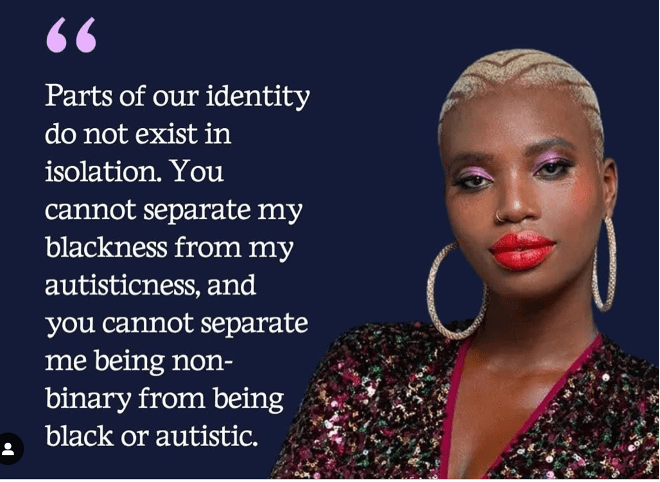
Khadija Gbla is an autistic, disabled, Afro-Indigenous, and non-binary writer, keynote speaker, and consultant. They advocate for trauma-informed, neuro-affirming, and culturally safe care, working to create inclusive spaces for marginalised communities. They are an anti FGM campaigner and human rights activist whose work has been widely honoured. [Photo Credit: Khadija Gbla Instagram]

Nicole Maines

Nicole Maines is an American actress and transgender rights activist who has ADHD. She became known for her legal battle advocating for trans rights in schools, eventually becoming the first transgender superhero on TV in Supergirl as Nia Nal. Maines has also appeared in various TV shows, films, and video games, using her platform to champion both trans rights and neurodiversity. [Photo – Nicole’s Wikipedia page]

Lydia X.Z. Brown
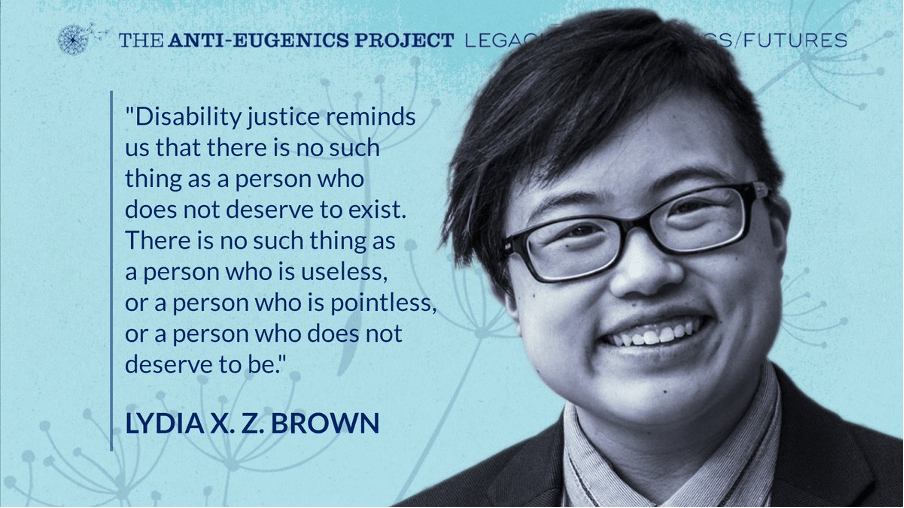
Lydia X.Z. Brown is a nonbinary, autistic, and queer disability justice advocate, writer, and attorney. They focus on addressing violence against disabled people, particularly those at the intersections of race, gender, and sexuality. Brown works toward creating a more inclusive society through their activism and legal work. They founded and lead the Autistic People of Colour Fund, and co-edited the first edition of the anthology, All the Weight of Our Dreams: On Living Racialised Autism.

Sandi Toksvig
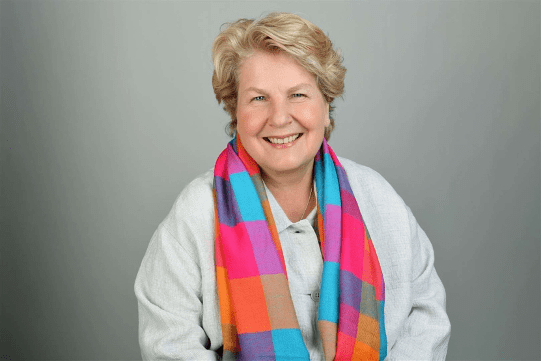
Sandi Toksvig is a British-Danish comedian, writer, and broadcaster known for her sharp wit and intellectual humour. She has openly discussed her experiences with dyslexia, which has influenced her unique approach to thinking and storytelling. Toksvig is a vocal champion for LGBTQ+ rights and is widely recognised for her work as a host on QI and The Great British Bake Off. Her warmth and humour have made her a beloved figure in British media.

Elliot Page

Elliot Page is a Canadian actor and advocate best known for his roles in Juno, Inception, and The Umbrella Academy. He came out as transgender in 2020 and has since been a vocal advocate for trans rights, mental health, and LGBTQIA+ representation in media. Page has also spoken about his ADHD, emphasising the importance of neurodiversity awareness alongside gender identity issues.

Jonathan Van Ness (JVN)

Jonathan Van Ness, best known as hair & grooming expert on Queer Eye, is a non-binary, openly queer television personality, hairstylist, and author. They have spoken candidly about their experiences with ADHD, mental health, and HIV advocacy. Through their work, JVN promotes self-love, acceptance, and breaking down stigmas surrounding both LGBTQ+ and neurodivergent identities.

These are just a handful of individuals who showcase some of the diversity, resilience, and strength within both the neurodivergent and LGBTQIA+ communities!
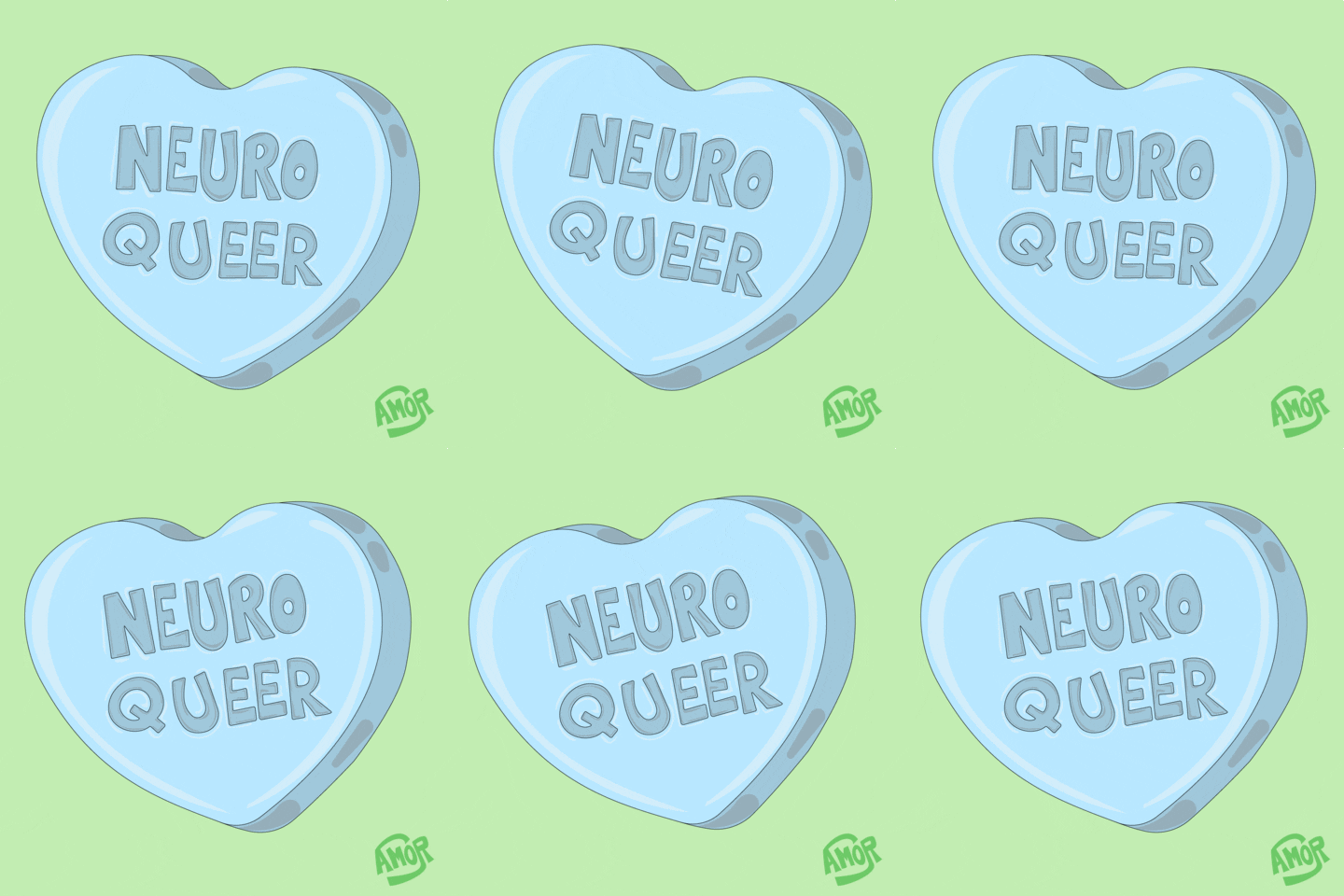
books by austic authors, lgbtqia+ section

Head to the link above for fiction and non-fiction books by autistic authors, as part of the Autism Books by Austistic Authors project.
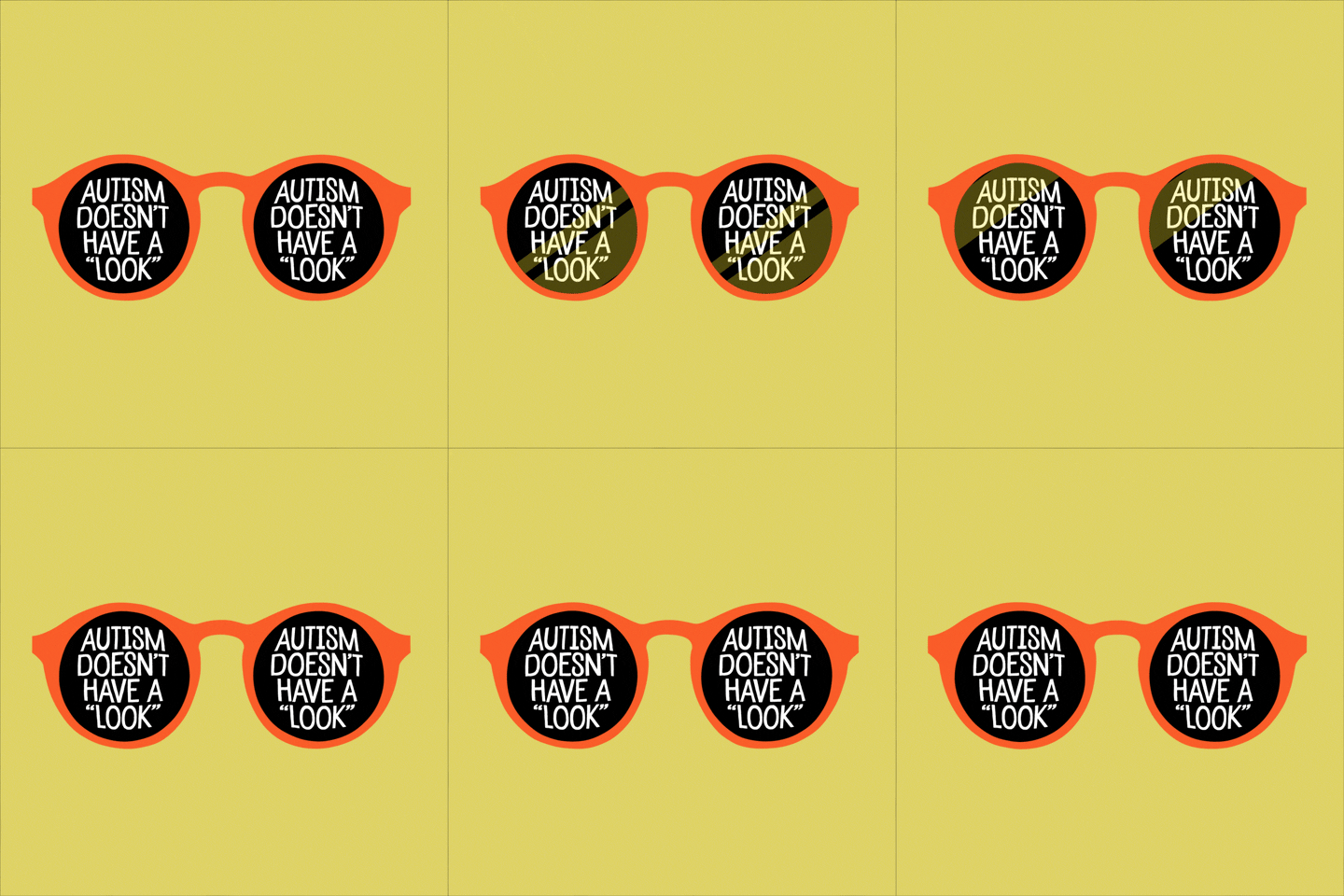
onwards

We look forward to continuing to celebrate, learn alongside, include and affirm neurodivergent individuals at GLOW, and to creating spaces where neuroqueer people can thrive, as best we can.

See something that should be done differently?

Please let us know on glow@getbrightonsinging.com – thank you!
About singing – oh yes you can!

Take a look at my TedX talk on the power of group singing – amongst other things:

Oh yes you can! (*if you want to – you are in charge!)

Throughout time, people have sung and made music for myriad human reasons (see the TedX talk above for examples) and this is our birthright! We don’t have to be supremely impressive, world class musicians who fit the aesthetic standards of the times, to enjoy making music just as we are, today!

Singing and making music are something anyone can do, right away, and may enjoy and benefit from doing. This is your invitation to have a go, if you’re not already – at whatever is calling you!

This could be as immediate as humming or singing heartily along to your favourite tune/song, picking up an instrument and making a sound, singing a lullabye to someone, having a low-pressure sing-along with your dear ones, singing your feelings out loud somewhere this feels do-able, dancing to some great beats or making your nearest surface into a percussion instrument and discovering what rhythms are in your brain today!

As well as being something anyone can do, enjoy and benefit from: music and song also involve skills that can be developed over time with encouragement and focused practice. If we allow ourselves time to develop and/or improve these skills, rather than expecting our own or someone else’s particular idea of ‘perfection’ immediately, it is to our benefit.

Longer term steps to welcome more music into your life could include: joining a welcoming community choir or music group, booking an instrumental or vocal lesson, following online instructionals, doing some close listening, finding friends to make music with informally, or making a regular date with yourself to enjoy some practice time.

If we can approach our voices or musicianship playfully, with curiosity, compassion and somewhat regular showing up, and treat them like dear friends who are allowed to be human – we will have the space to flourish, improve, learn, and grow. The process of practice can itself be beneficial for mental health and brain function, as well as bringing the satisfaction, excitement and empowerment of improving at a craft.

And remember throughout your practice, the reason you wish to do it. And perhaps on a grander scale, the reason that music exists! For example, this could include: to express humanity, to connect us to each other, to help us understand each other, to help us regulate ourselves and each other, to help us find energy or clarity, to help us understand ourselves, to help bring about social change, to make us feel better, to woo, to worship, to heal, to soothe, to energise, to grieve, to learn, to remember, to tell stories, to have a sense of beauty in our bizarre existence… What other reasons can you think of for music?

Keep the reasons that make sense to you in mind, when you’re doing more detailed practice: and this could help you keep perspective when you’re stuck into the detail of a tricky scale, passage, phrase, or finding a dip in motivation.

“Music is life itself.”

Louis Armstrong

trans voice training reflections

I’m on a trans voice teacher training intensive this month, which I’m enjoying SO much! Excited, hopeful and thoughtful about what I’ll offer people afterwards. This course feels very much like right place at right time.

Had an informative, affirmative 5 hour session today – which flew past! – with the brilliant Renée Yoxon & wonderful cohort of gender affirming voice teachers in training I’m learning with.

This training has already given me lots to reflect on, as well as the start of some great tools for gender affirming voice coaching and vocal exploration – and there’s lots more learning ahead! Always be learning.

Here’s a few insights to share from what I’ve been thinking about lately.

I hope these reflections are helpful for you, and/or affirming or thought-provoking. Feel free to let me know if there’s something you think I should be aware of in relation to anything I’ve shared.

*

Thoughts:

It can have a profound & positive impact to align your voice with your identity.

It can have a negative impact to feel misaligned, or be perceived by others in ways that don’t fit your identity, and this relates to voice too.

Developing your voice in ways that feel like you, and affirm your identity, can be a source of happiness, gender euphoria and gender comfort.

Gender comfort – a great phrase from Renée, as gender euphoria is not everyone’s experience all the time / can feel like a high bar to achieve.

Being perceived by others in a way that aligns with your identity, and also keeps you safe, can also be very important, and voice work can be a part of this.

The voice that fits the way you want to be perceived by others, may not be the same as the voice that makes you feel most comfortable in and expressed as yourself (though it may be).

We often use our voices differently in different contexts, regardless of gender. Some people may also wish to develop and practice different voices to express different aspects of their identity.

Expanding into a different voice can be a varied experience that evokes emotions. Supportive vocal practice involves having tools in place to process these, inside & outside practice time.

Building a practice is a life skill in itself. Finding ways to practice that work for you is paramount.

Practice can be playful, disciplined, reflective, transformational, varied, a journey. Proper breaks from practice are an important part of progress too.

Some people’s voices (trans or cis) may be affected by their hormones and/or surgeries.

I’ve learnt lots of helpful words on this course, here’s a few:
– Endogenous (eg endogenous hormones, coming from the body).
– Exogenous (eg exogenous hormones, coming from outside the body).
– Lots of gender identity words such as: Maverique, and Genderflux – go look them up!

The course is also giving me an affirmative space in which to reflect further on my own gender identity, which I’ve been thinking about lately, as well as throughout my life in a fairly private way.

Discovering there are lots of gender identity words and things people mean by them, some of which reflect in part my own experience, is moving, delightful and very affirmative.

I feel that, for some, aligning one’s inner and outer self or selves could be said to be important to the journey of the soul. While some people might not relate to that concept, word or experience (which is totally fine!), some people may experience a spiritual aspect to this exploration.

I’m also interested in the intersections between disability, gender and voice and how these three things influence each other. My voice use has changed since I became disabled and affected how I experience and express my gender, in ways I don’t always enjoy. Food for thought!

There’s my small essay of thoughts to share! I’m so excited to be doing this work and supporting trans, non-binary and gender non conforming voices – this is just the beginning!

I have big dreams for how I’d like to offer trans voice coaching and alteration accessibly in our city and beyond, and I hope to make those come true next year – or sooner, let’s see!

Thanks for reading my rambling thoughts.

#TransVoice #GenderAffirming #VoiceTraining #Inclusion #GenderAffirmingCare #GenderAffirmingVoice
#GenderAffirmingVoiceCoach #TransVoiceAlteration #TransVoiceTeacher #TransVoiceLessons #TransVocalExploration #TransVoiceTraining #VoiceFeminization #VoiceMasculinization #Nonbinary #TheyThem #Genderfluid #GenderExpansive #MTF #FTM #GenderAffirmingVoiceTeaching #GenderAffirmingCareSavesLives